What Currency Is Used In Corsica?
The currency used in Corsica is the euro. This guide covers cash and card use, sight and refuge prices in euros, tipping rules, and what to budget on the island.
Corsica, the French Mediterranean island with more than 1,000 km of coastline and a mountainous interior topped by Monte Cinto at 2,706 m, uses one currency: the euro. Every hotel bill, museum ticket, ferry coffee and mountain-refuge bunk on the island is priced in EUR, and no second currency circulates anywhere in its 360 communes. That single fact answers the practical half of the money question, but the details below matter more on the ground, because a few corners of the island still run on coins and notes rather than cards.
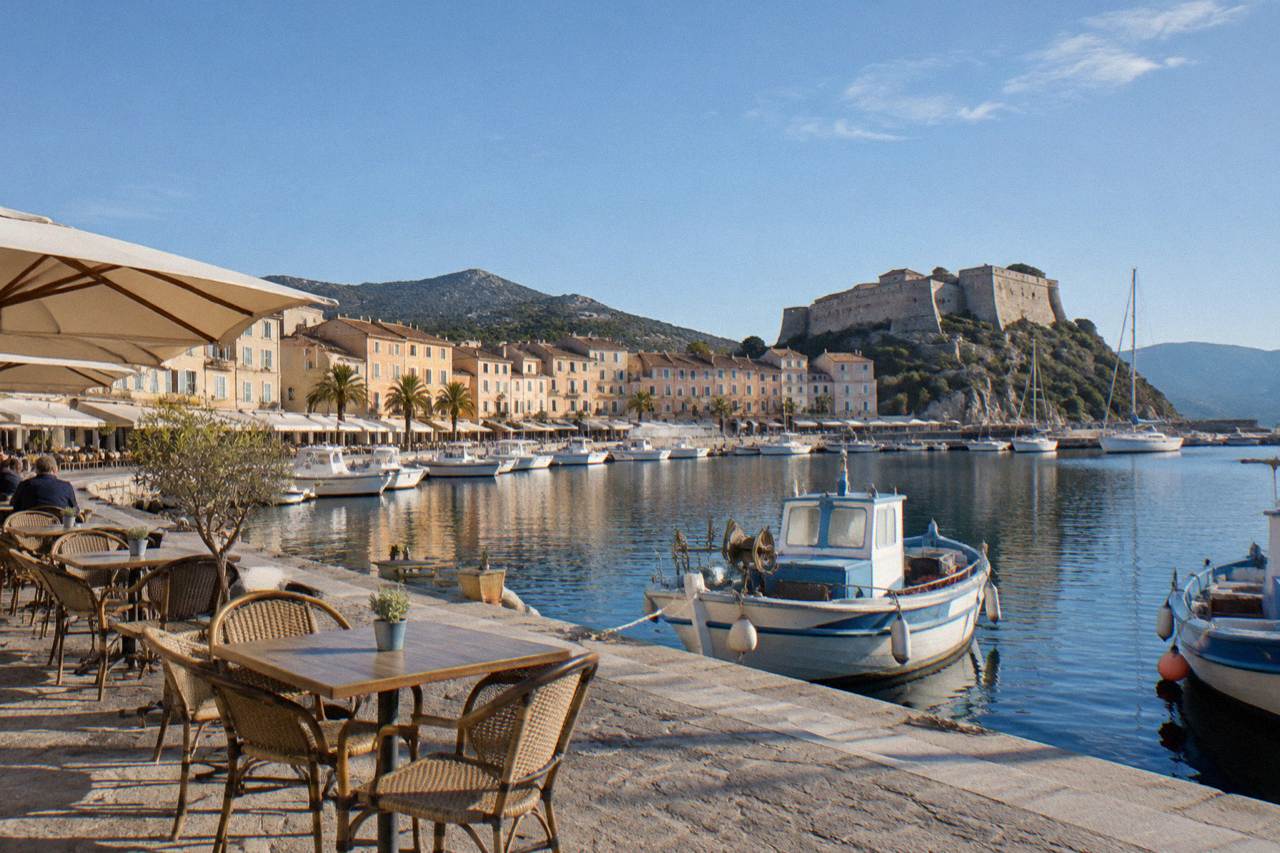
The currency used in Corsica is the euro, abbreviated EUR and written with the € symbol, because Corsica is part of France and shares its currency. Every published price on the island, from a Filitosa admission ticket at EUR 9 to a GR20 refuge bunk at EUR 20 per person, is quoted in euros, and no other currency is accepted for payment anywhere on the island.
The euro arrived with France's own adoption of the single European currency, and it is the only legal tender across both departments of the island, Corse-du-Sud and Haute-Corse, which together form the Collectivité de Corse. Coins and notes are identical to those used in Paris or Marseille. Visitors arriving by ferry from mainland France will not notice any change; visitors arriving on the short crossing from Santa Teresa Gallura in Sardinia will not need to change money either, since Italy uses the same currency. The Moby and Ichnusa Lines boats on that Bonifacio route sell their tickets in euros, like every operator on the island.
For planning purposes, treat the euro as the single number on every budget line. A sight such as Maison Bonaparte in Ajaccio charges EUR 10 full price, the Palais Fesch charges EUR 10 full price, and the Musée de la Corse in Corte charges EUR 5.50, all figures published by the institutions themselves. The same applies to transport, food and accommodation: one currency, many prices. Readers wondering about the island's political status, which explains the currency question in the first place, can read is Corsica part of France or Italy.
Do You Need Cash In Corsica?
Cash in euros is still needed in specific places in Corsica, above all on the GR20, where guardians of the PNRC refuges take payment for meals in cash or by cheque only, per the park's own booking page. Refuge bunks and bivouac pitches are booked and paid online in advance, but the food you eat at the refuge is settled on the spot, so hikers carry euro notes and coins as standard practice.
That mountain exception matters because the GR20 runs 180 km through the island's interior with about 15 stages of 4 to 8.5 hours, far from any bank branch. The Parc naturel régional de Corse, which manages the trail, states the split clearly: reservations for sleeping options are obligatory and online only, with card payment, while meals are paid in cash or cheque directly to the guardian. In the 2026 season the PNRC refuges are guarded from 16 May to 4 October, and the published rates are EUR 20 per person for a bunk, EUR 12 for a bivouac pitch with your own tent, EUR 27 for a one-person rented tent and EUR 39 for a two-person rented tent.
In the towns the pattern is ordinary French practice. Ajaccio, the capital with 76,320 residents, and Bastia, the second town with 46,867, have full banking infrastructure, and the smaller resorts along the coast handle cards in shops and restaurants. The one rule that saves trouble: arrive on the island with some euro cash if your itinerary heads inland, and restock in a town before a multi-day walk. More on the trail itself is in the site's GR20 and hiking tours guide.
| GR20 option (PNRC 2026 rates) | Price |
|---|---|
| Bunk in a refuge, per person | EUR 20 |
| Bivouac pitch, own tent, per person | EUR 12 |
| Rented tent for 1 (pitch and tent) | EUR 27 |
| Rented tent for 2 (2 pitches and tent) | EUR 39 |
The sea trip most relevant to this page's budget is the catamaran with snorkeling in the Lavezzi islands, a Bonifacio cruise with snorkelling stops in the islands of the Bouches de Bonifacio Nature Reserve.
What Do Corsica's Sights Cost In Euros?
Sight admissions in Corsica are modest in euros: Maison Bonaparte charges EUR 10 full price, the Palais Fesch EUR 10, the Musée de la Corse in Corte EUR 5.50 with the citadel included, and the Filitosa prehistoric site EUR 9 for adults, all per the institutions' published rates. Several reductions and free categories apply, and one ticket at Corte covers both the museum and the citadel.
The detail is worth a table, because the reduction rules differ from site to site and the institutions publish them precisely. Maison Bonaparte is free for EU residents under 26 and charges EUR 8 for non-EU visitors aged 18 to 25 and for large families. The Palais Fesch charges EUR 6 for visitors over 65 and is free up to age 18. At the Musée de la Corse, one ticket covers the museum and the citadel together, with citadel access closing one hour before the museum. Filitosa, open 1 April to 2 November, sells a family ticket at EUR 28 for two adults and two children aged 6 to 17, and children under 6 enter free.
| Sight | Full price | Reductions |
|---|---|---|
| Maison Bonaparte, Ajaccio | EUR 10 | EUR 8 for non-EU 18-25 and large families; free for EU residents under 26 |
| Palais Fesch, Ajaccio | EUR 10 | EUR 6 over 65; free up to 18 |
| Musée de la Corse and citadel, Corte | EUR 5.50 | EUR 4 and EUR 3 categories; under-10s free |
| Filitosa prehistoric site | EUR 9 | EUR 7 for 6-17 and disabled; family EUR 28; free under 6 |
These are local prices in local currency, printed exactly as the sites publish them. There is nothing to convert while you are on the island, and no parallel pricing for visitors. The Escalier du Roi d'Aragon in Bonifacio, 189 steps cut into the cliff, charges an admission reported at about EUR 5 with monthly opening hours, and closed-toe flat shoes are required. Visitors comparing the island's overall costs against other Mediterranean destinations can read is Corsica expensive.
How Does Tipping Work In Corsica?
Tipping in Corsica follows French law: restaurant menus must state "prix service compris" together with the service percentage, which means the service charge is already inside the printed price, and any further tip is optional. The rule comes from the French consumer authority, the DGCCRF, and applies to every restaurant and bar on the island, so there is no customary percentage a visitor is required to add.
In practice this makes budgeting simpler than in destinations where the menu price is only the starting point. The price printed on the menu in euros is the price paid, and leaving extra coins for good service is a courtesy rather than an obligation. The same logic applies to café terraces, hotel breakfasts and taxi fares across Ajaccio, Bastia, Bonifacio and the smaller resorts. Anyone who has travelled in North America will notice the difference most: nothing is expected on top, and nobody will chase a supplement.
A related question travelers often ask is whether cards are welcome, and here the honest answer is that the island behaves like the rest of France: cards are ordinary in towns and tourism businesses, while the cash exceptions above, chiefly the refuge meals on the GR20, reward carrying notes. For the widest context on arriving, how do you get to Corsica covers the ferries from Marseille, Toulon, Nice, Livorno, Savona and Santa Teresa Gallura, and the four airports at Ajaccio, Bastia, Figari and Calvi.
Is The Euro The Only Currency To Consider When Planning A Corsica Trip?
The euro is the only currency you will spend in Corsica, but it is not the only number in your planning, because bookable tours, ferry crossings and flights are often priced in the currency of the booking market, and the EUR exchange rate against the US dollar or pound fluctuates constantly. Inside the island's borders, though, there is a single currency and a single set of local prices, all published in euros.
The practical implication is to separate two kinds of spending. Local spending, admissions, meals, refuge nights, market shopping, happens in euros at the prices given above and needs no thought beyond carrying enough cash for the interior. Nothing on this site converts those figures by hand, because a typed conversion goes stale the moment the rate moves.
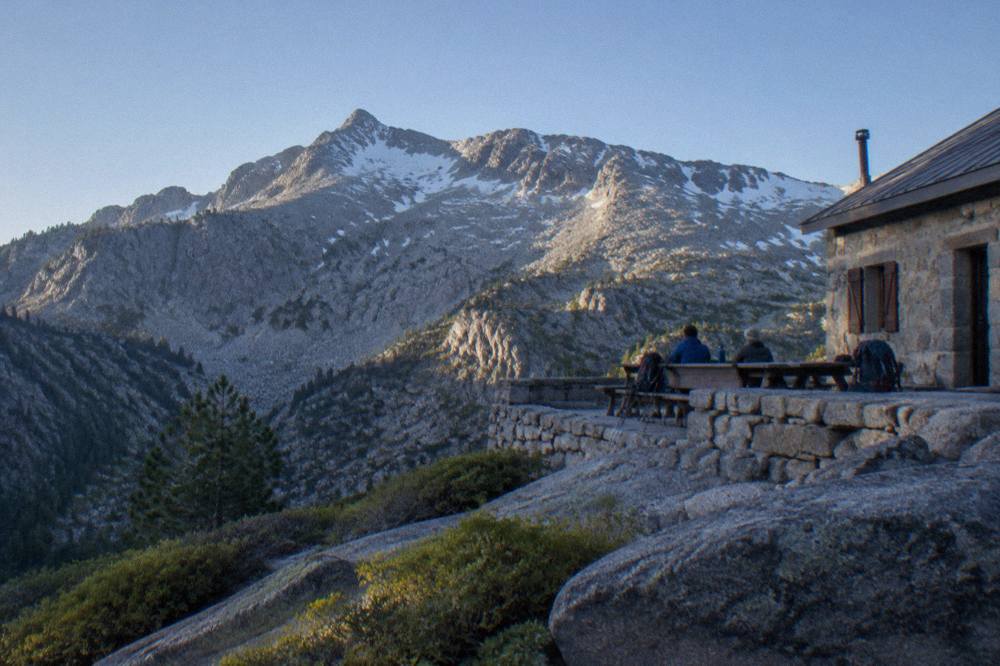
For hikers, the cash rule deserves one repeat, because it is the single place where a cashless traveler gets stuck. Book the bunk online before you fly, bring notes for the guardian's evening meal, and remember that dogs are not allowed inside refuges or rented tents, and that no GR20 departures from Calenzana are allowed after 11:00 under a municipal fire-risk order. The site's fuller walk-through lives in the GR20 guide.
Solo pick, for readers pairing a Bonifacio stay with a sea day: the catamaran snorkeling cruise below is the related tour for this page.
Common Questions About Currency In Corsica
What Currency Is Used In Corsica?
The euro, abbreviated EUR and written €. Corsica is part of France and uses the same currency as the French mainland, with identical coins and notes, and no other currency is accepted anywhere on the island.
Can I Pay By Card Everywhere In Corsica?
Cards are accepted in Corsica's towns, shops, restaurants and tourism businesses in line with ordinary French practice. The main exception is the GR20, where refuge meals are paid in cash or by cheque to the guardian, per the Parc naturel régional de Corse booking page, so hikers carry euro cash.
Should I Tip In Corsican Restaurants?
No tip is required. French law requires menus to state "prix service compris" with the service percentage included in the printed price, and the DGCCRF confirms that any further tip is optional. Leaving small change is a courtesy, not an obligation.
Do I Need Euros For The GR20?
Yes. Sleeping in the PNRC refuges is booked and paid online in advance, but meals at the refuges are paid in cash or by cheque on site. In the 2026 season a bunk costs EUR 20 per person and a bivouac pitch EUR 12, with refuges guarded from 16 May to 4 October.
Are Prices In Corsica Different For Visitors?
No. Admissions and local prices are single published euro rates that apply to everyone: Maison Bonaparte at EUR 10, the Palais Fesch at EUR 10, the Musée de la Corse at EUR 5.50 and Filitosa at EUR 9 for adults, with published reductions and free categories at each site.
Is The Currency The Same Coming From Sardinia?
Yes. Italy uses the euro, so the short Santa Teresa Gallura to Bonifacio crossing involves no currency change at all, and everything on the Corsican side, from the Escalier du Roi d'Aragon ticket to a café in the marina, is priced in euros.
To sum up the page's answer in one line: the euro is the currency of Corsica, cash still matters in the mountains, tipping is already inside the menu price, and every local figure on this page, from EUR 5.50 in Corte to EUR 20 on a refuge bunk, comes straight from the institutions that charge it. More island context, including what is the capital of Corsica and the wider Corsica Travel Guide homepage, rounds out the planning picture.