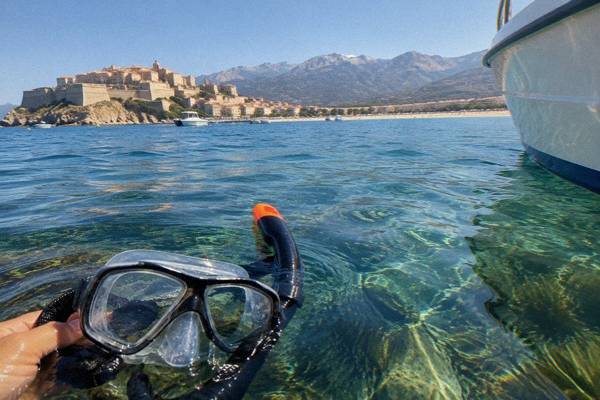
What Is The Best Beach In Corsica?
What is the best beach in Corsica? An honest look at Palombaggia, Santa Giulia, Rondinara, Saleccia, Lotu, Roccapina and Ostriconi, and how to match a beach to your trip.
Corsica carries more than 1,000 km of coastline on an island of 8,722 km2, so the question of which beach is best has no single honest answer. The beaches that anchor the guidebooks sit near Porto-Vecchio in the southeast, others hide at the end of tracks in the Désert des Agriates, and others again line the Cap Corse and the Balagne.
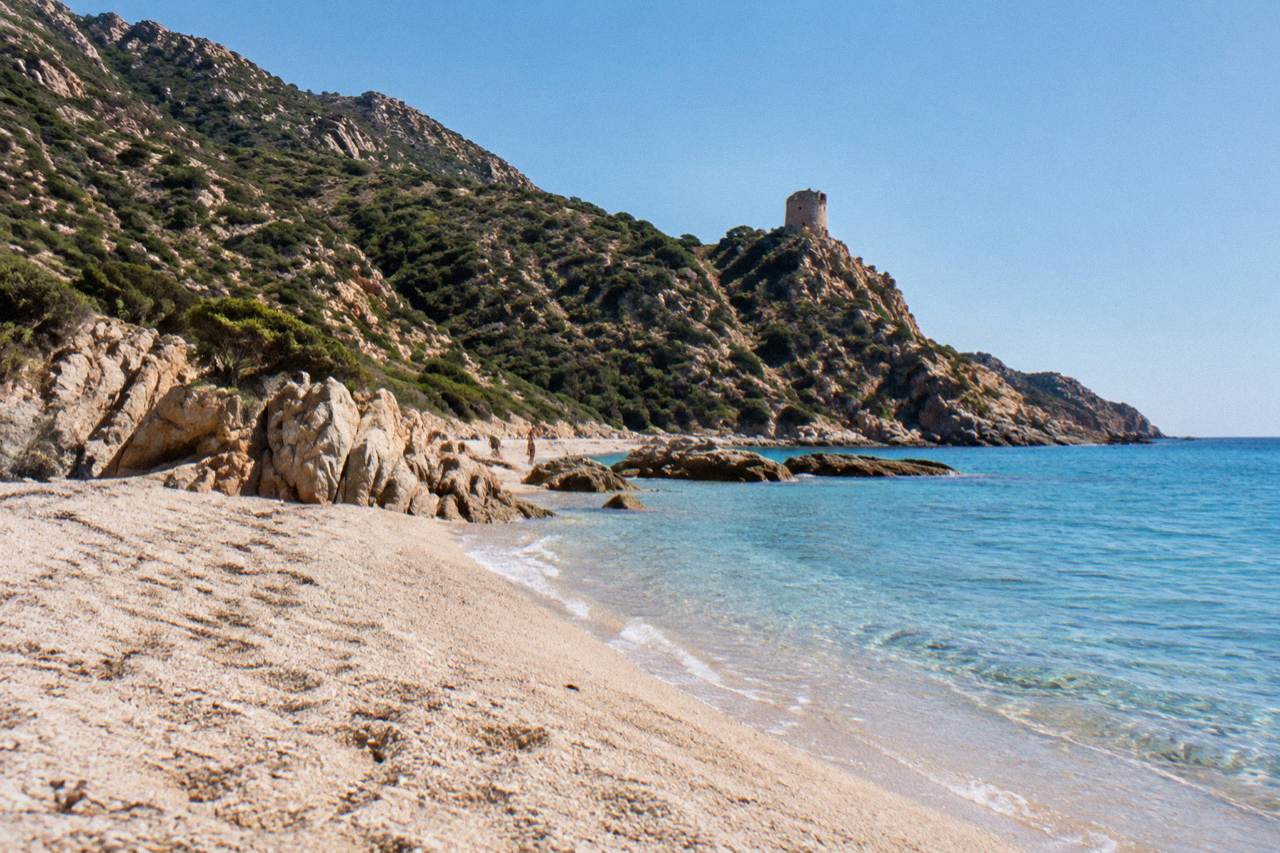
No single beach in Corsica holds the title, and the island's coast runs beyond 1,000 km. The names that anchor every shortlist are Palombaggia and Santa Giulia near Porto-Vecchio, Rondinara between Bonifacio and Porto-Vecchio, Saleccia and Lotu in the Désert des Agriates, Roccapina near Bonifacio and Ostriconi on the northwest coast. The best one for a given trip is decided by access and base town, not by rank.
Each of those names has a full page on this site, and each page carries what the sources say about that exact beach. The short version of our position: if you are staying in or near Porto-Vecchio, Palombaggia and Santa Giulia are the beaches the area is known for, and Santa Giulia sits in a shallow bay that suits families with young children. Further south, Rondinara is the classic stop between Bonifacio and Porto-Vecchio. In the northwest of the island, the question changes shape: the beaches of the Agriates, Saleccia and Lotu among them, are reached by boat shuttle from Saint-Florent, by 4x4 track from Casta or on foot, per the visit-corsica listing, and that journey is part of what people are choosing.
That leaves the honest comparison on access, base town and the kind of coastline, which is what the table below does.
Which Corsica Beach Is Best If You Are Staying Near Porto-Vecchio?
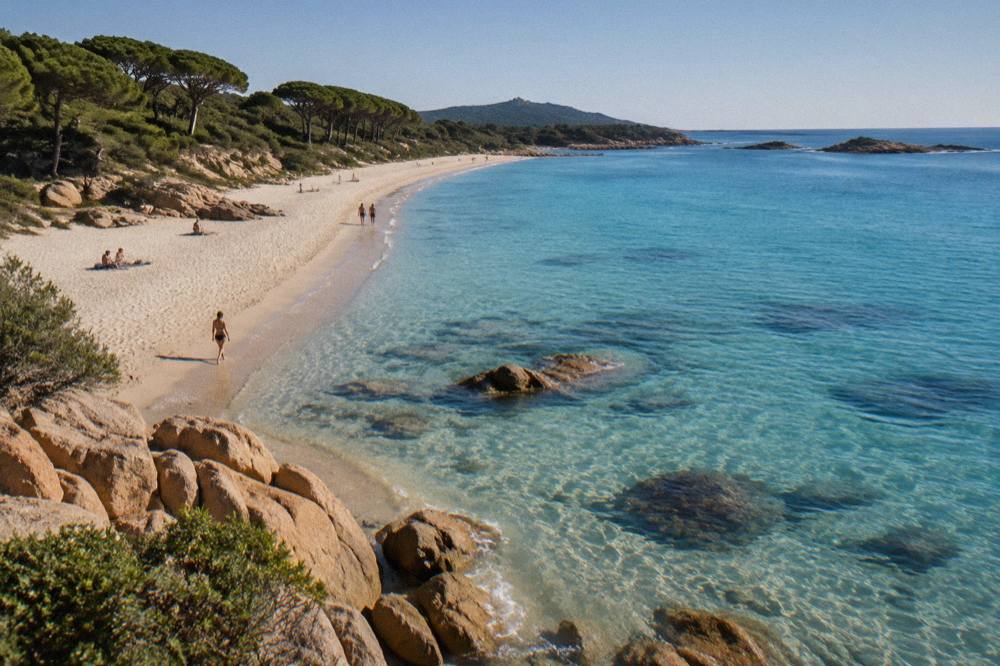
Palombaggia is the beach the Porto-Vecchio area is known for, a long stretch of sand backed by pines and broken by rocks and islets just offshore, a short drive from the town and its old quarter. Santa Giulia, closer to the southern tip of the coast road, sits in a shallow sheltered bay where the water stays waist-deep for a long way out, which is why families with small children choose it, and Rondinara completes the set between Porto-Vecchio and Bonifacio.
All three sit within easy reach of Porto-Vecchio's old town, which is where the region's restaurants and accommodation concentrate. Our practical reading of the area: pick one as your base beach and work through the others on separate days, because the coast road between them is short by Corsican standards and the drives are not the obstacle they become elsewhere on the island. More of these guides are collected on Corsica Travel Guide.
For a different tempo, the sea itself is the destination: the waters off Porto-Vecchio include the Cerbicale Islands reserve, and a beginner scuba session there is one way to see what the coast hides below the surface. An introduction to diving in the Cerbicale Islands reserve runs from Porto-Vecchio for travellers who want the sea floor rather than the sand.
A word on safety, because it is one of the few beach facts the record states plainly: Ajaccio's main beaches have seven lifeguard posts from 1 July to the end of August, and in Haute-Corse the supervised beaches are staffed by volunteer firefighters over roughly the same window, 1 July to 31 August. Outside those weeks, and on any beach without a post, the swim is unsupervised.
Are Saleccia And Lotu Worth The Effort In The Désert Des Agriates?
Saleccia and Lotu are the beaches of the Désert des Agriates, a protected coastal strip in northern Corsica, and the visit-corsica listing says they are reached by boat shuttle from Saint-Florent, roughly April to October and weather permitting, by a 4x4 track from Casta, or on foot. That access is the whole story: these are not drive-up beaches, and the journey is why they carry the reputation they do.
The shuttles are private operators running from Saint-Florent's port. The 4x4 option from Casta is a track, not a road, and the on-foot approach is a walk through the Agriates itself, a landscape the listings describe as a desert of maquis along the coast.
From the Calvi side, a guided jeep tour to Lotu and Saleccia is one of the bookable ways to make the day simple, and a half-day trip covering Cap Corse and the Agriates from Saint-Florent is another. There is also a full-day catamaran option across the Agriates coast from L'Île-Rousse. If your beach instinct says boat rather than jeep, the sea route to these beaches is the one part of Corsica where the boat genuinely is the beach.
What About Roccapina, Ostriconi And The Less Famous Beaches?
Roccapina near Bonifacio and Ostriconi at the foot of the Balagne's western edge are the two names that come up once the Porto-Vecchio trio is exhausted, and both suit travellers who want a headline beach without the Porto-Vecchio base. Roccapina sits on Bonifacio's coastal flank, Ostriconi where the Désert des Agriates meets the Balagne, and each anchors a different side trip from a different town.
Ostriconi is the natural beach stop if you are basing yourself in L'Île-Rousse or Saint-Florent and driving the north, and Roccapina fits a Bonifacio stay, where the Bonifacio citadel and cliffs and the Escalier du Roi d'Aragon, 189 steps cut down the cliff, give the town day its shape. Our honest note on both: the record holds no parking, length or water-quality figure for either, so plan around access and tide of visitors rather than any printed number.
| Beach | Nearest base | Access per the sources | Best fit |
|---|---|---|---|
| Palombaggia | Porto-Vecchio | Short drive from town | The classic Porto-Vecchio beach day |
| Santa Giulia | Porto-Vecchio | Short drive, shallow bay | Families with young children |
| Rondinara | Between Porto-Vecchio and Bonifacio | Coast road stop | A detour day between the two towns |
| Saleccia | Saint-Florent | Boat shuttle, 4x4 track from Casta or on foot | A boat or jeep day in the Agriates |
| Lotu | Saint-Florent | Boat shuttle, 4x4 track from Casta or on foot | The quieter Agriates pairing with Saleccia |
| Roccapina | Bonifacio | Coastal track from the Bonifacio side | A wilder beach half-day from Bonifacio |
| Ostriconi | L'Île-Rousse / Saint-Florent | Road access at the Agriates' western edge | A stop on a north-coast drive |
Can You See The Best Of Corsica's Beaches Without A Car?
A car is the practical answer for the beach list above, because Palombaggia, Roccapina and Ostriconi all sit at the end of coastal roads with no rail link, but two beach experiences in Corsica work without one: boat trips from a port town, and the beaches within reach of Ajaccio, Bastia or Calvi themselves. The island's train network, the Chemins de fer de la Corse, links Ajaccio, Bastia and Calvi but serves the interior and the Balagne coast, not the southern beaches.
That is the real dividing line. If your trip is built on getting around Corsica without a car, base yourself in Ajaccio or Calvi, use the town beaches and the gulf boat trips, and accept that the Porto-Vecchio trio is a different trip. Ajaccio's own beaches carry those seven lifeguard posts in July and August, and the gulf's boat trips to the Îles Sanguinaires run from the town's port. Calvi adds the Révellata peninsula by sea, and the snorkelling and diving trips there are the town's water calling card.
For a traveller whose beach day is really a water day, our pick is an instructor-led first dive from Calvi: the listing describes a small-group introduction with an instructor, and it converts a beach town morning into time under the surface of the gulf. It sits alongside the Calvi introduction to diving page on this site, and you can Check availability if that is the shape your beach day takes.
Common Questions About The Best Beach In Corsica
What Is The Best Beach In Corsica?
No single beach holds the title. The shortlist every source circles is Palombaggia and Santa Giulia near Porto-Vecchio, Rondinara between Porto-Vecchio and Bonifacio, Saleccia and Lotu in the Désert des Agriates, plus Roccapina near Bonifacio and Ostriconi in the northwest. The right one depends on your base town and how you travel.
Are Corsica's Beaches Supervised?
Ajaccio's main beaches have seven lifeguard posts from 1 July to the end of August, and in Haute-Corse supervised beaches are staffed by volunteer firefighters over roughly 1 July to 31 August. Outside that window, and on any beach without a post, swimming is unsupervised.
How Do You Get To Saleccia And Lotu?
Per the visit-corsica listing, the Agriates beaches of Saleccia and Lotu are reached by boat shuttle from Saint-Florent, roughly April to October and weather permitting, by a 4x4 track from Casta, or on foot through the Désert des Agriates.
Which Corsica Beach Is Best For Families?
Santa Giulia near Porto-Vecchio is the family pick on the standard shortlist: a shallow bay where the water stays deep enough to stand for a long way out. Palombaggia, a short drive from the same town, is the area's other headline beach.
Can You Visit Corsica's Best Beaches Without A Car?
Partly. The Porto-Vecchio, Bonifacio and Agriates beaches all need a car or a boat trip to reach. Without a car, base yourself in Ajaccio, Bastia or Calvi and use the town beaches plus the gulf and peninsula boat trips that leave from those ports.
The honest closing word: pick your base first, then let the base pick your beach. Porto-Vecchio answers the question one way, Saint-Florent and a boat another, and Calvi with a mask and an instructor a third, and every one of them is a Corsican beach day the sources back up.