Corsica Markets
Corsica's markets and shops sell one of the most protected food baskets of any Mediterranean island: brocciu, prisuttu, lonzu, coppa, chestnut flour, olive oil, honey and clémentine de Corse all carry official French or European designations. This guide sets out what to buy, where the shopping towns are, and how the designations work.
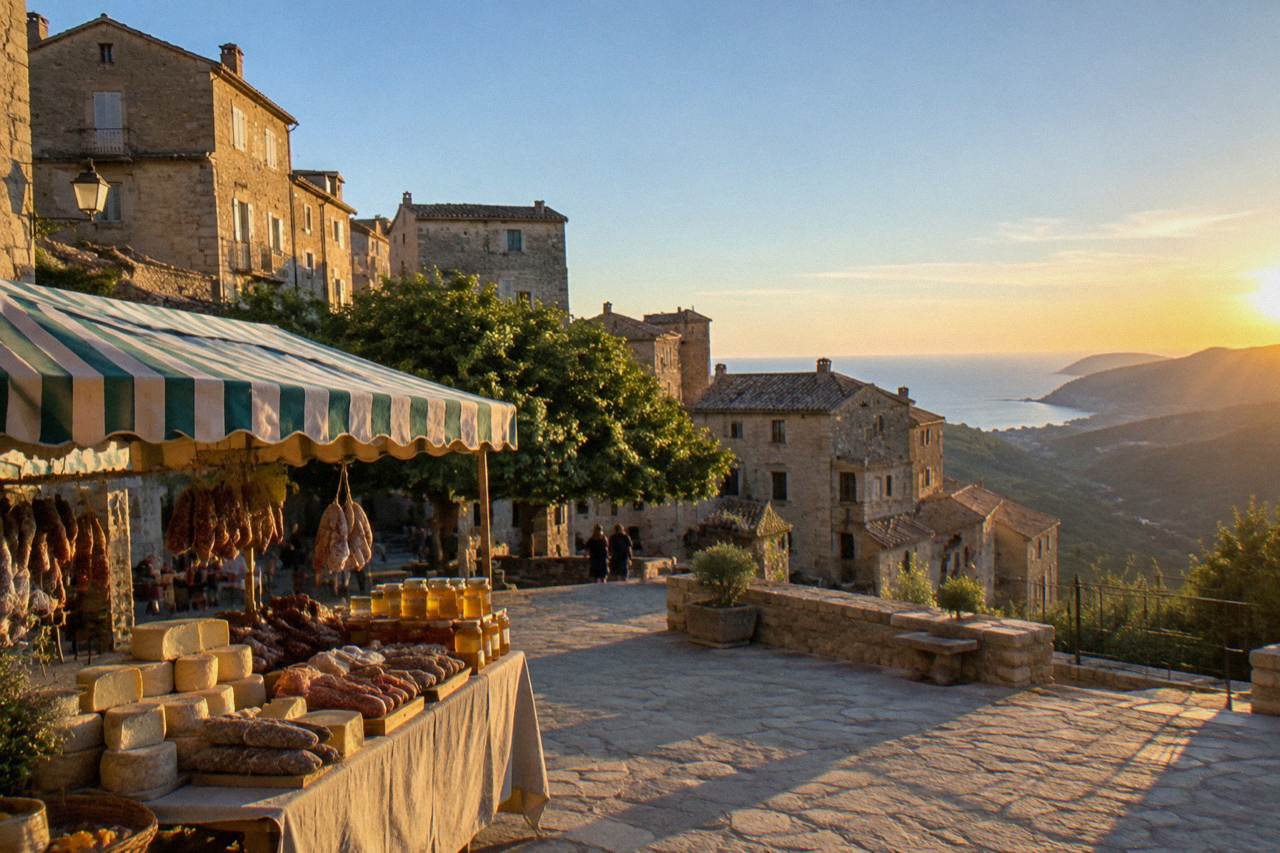
Corsica's markets centre on protected foods: brocciu cheese (appellation 1983), the charcuterie trio of prisuttu, lonzu and coppa (AOP 2014), chestnut flour, olive oil, honey and the clémentine de Corse. Shop in Ajaccio, Bastia, Corte, Calvi, Île-Rousse and Sartène, and carry cheese and charcuterie home chilled.
Corsica runs on its own larder. This French Mediterranean island of 8,722 km2, with more than 1,000 km of coastline and a mountainous interior that rises to Monte Cinto at 2,706 m, produces a basket of foods that French and European law protects by name: brocciu cheese, the charcuterie cuts prisuttu, lonzu and coppa, chestnut flour, olive oil, honey and the clémentine de Corse. A shopping trip here is therefore not a generic souvenir hunt. It is a chance to buy designated produce at source, in the towns that sit between the island's ports and its mountain pastures, and the Corsica Travel Guide lays out here exactly what each label means and where to look for it.
What Can You Buy At Corsica Markets?
The core of any Corsican market stall is a short list of island foods with legal protection: brocciu cheese, the cured cuts prisuttu, lonzu and coppa, chestnut flour, olive oil, honey and the clémentine de Corse, each tied to the island by an official appellation, and each sold alongside bread, wine and the island's traditional sweets such as canistrelli and fiadone. The designations matter because they are the shopper's guarantee that the product was made in Corsica to a defined standard rather than imported and repackaged.
Brocciu is the emblem of the island's larder. The isula.corsica CESEC record states that brocciu obtained its appellation d'origine in 1983, and the visit-corsica.com pages report the AOC/AOP step in 1998. It is a whey cheese, eaten fresh in winter and spring, and it appears inside fiadone, the island's cheesecake, and in many savoury dishes. It does not travel like a hard cheese, so it is a food to eat on the island rather than one to carry home.
The charcuterie board is different. Prisuttu (the island's dry-cured ham), lonzu and coppa took an AOC in 2012 and an AOP in 2014, per the CESEC document, and the Nustrale pig breed behind them was recognised in 2006. These are cured products built for a journey, which makes them the natural purchase for a cooler bag on the ferry or flight home.
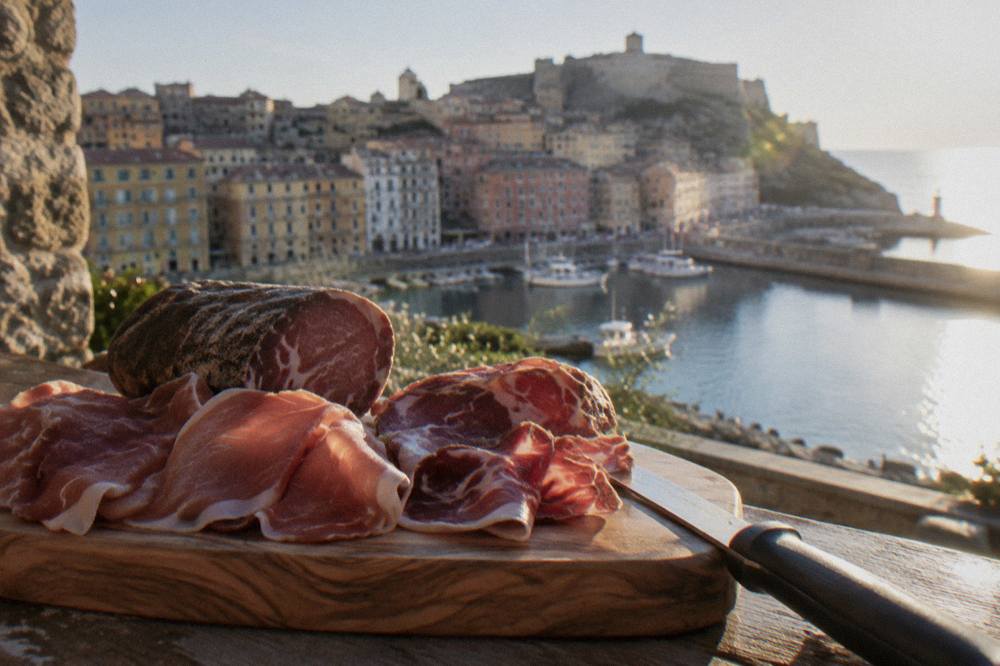
Alongside them sit the sweeter jars. The AOP "Farine de châtaigne corse, Farina castagnina corsa" covers chestnut flour from the island's chestnut groves; the AOC "Huile d'olive de Corse, Oliu di Corsica" took effect in 2004; and the AOP "Miel de Corse, Mele di Corsica" covers island honey. The clémentine de Corse carries an IGP from 2007 and a Label Rouge from 2014, per visit-corsica.com, and is a winter fruit, so it appears in the cold months rather than at the height of summer.
Which Corsican Foods Carry A Protected Designation?
Seven Corsican foods hold French or European protection: brocciu (appellation 1983), the charcuterie trio prisuttu, lonzu and coppa (AOC 2012, AOP 2014), chestnut flour under the Farina castagnina corsa name, olive oil under Oliu di Corsica (2004), honey under Mele di Corsica, and the clémentine de Corse (IGP 2007). A label on a market stall that names one of these designations is a legal claim, not marketing copy, and it is what separates island produce from lookalike imports.
The table below gathers the designations as the primary sources state them.
| Product | Designation | Year |
|---|---|---|
| Brocciu | Appellation d'origine | 1983 |
| Brocciu | AOC/AOP | 1998 |
| Prisuttu, lonzu, coppa | AOC | 2012 |
| Prisuttu, lonzu, coppa | AOP | 2014 |
| Nustrale pig breed | Breed recognition | 2006 |
| Chestnut flour | AOP Farina castagnina corsa | Recognised 2010 |
| Olive oil | AOC Oliu di Corsica | 2004 |
| Honey | AOP Mele di Corsica | Exists; 1998 AOC reported |
| Clémentine de Corse | IGP; Label Rouge 2014 | 2007 |
Two cautions keep the shopping honest. The CESEC note that about 98 percent of metropolitan France's citrus area sits in Corsica is 2014-era data and must not be read as a current figure. And the names of the dishes matter in the other direction too: figatellu, the island's liver sausage, canistrelli biscuits and fiadone are traditional foods to know and ask for, but they carry no designation, so quality varies from stall to stall and tasting before buying is the only reliable test.
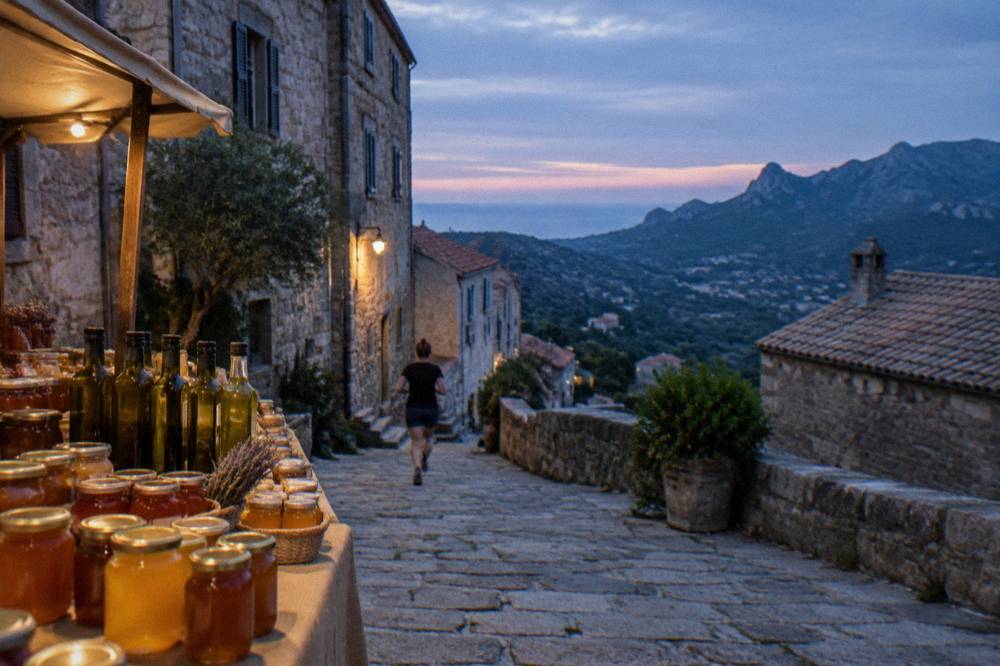
A food walk is one way to meet this larder with a guide who translates the labels.
Where Are The Best Towns For Shopping In Corsica?
The island's shopping towns are its port and market capitals: Ajaccio (population 76,320) in the west, Bastia (46,867) in the north, Corte in the interior, Calvi and L'Île-Rousse on the Balagne coast, Sartène in the south and Porto-Vecchio on the southeast coast, each combining food shops with the specialist crafts and shops of its own area. None of them requires a long detour from the standard routes, and several sit directly on the ferry and rail lines.
Ajaccio, the capital and Napoléon's birthplace, pairs the food shops of a city of 76,320 residents with two national museums, Maison Bonaparte and the Palais Fesch, whose collections justify an afternoon between purchases. The Maison Bonaparte practical page places the museum on Rue Saint-Charles, 200 m from the bus station and ferry terminal, with bus 8 from the airport, which makes it an easy stop on an arrival day. The Ajaccio city guide on this site covers the practical side of basing there.
Bastia, the second town at 46,867 residents, anchors the north. Its old harbour and the Musée de Bastia in the Palais des Gouverneurs sit within walking distance of the town's shopping streets, and the ferry port connects directly to Livorno, Savona and Genoa on the Italian side, useful for anyone combining shopping with a wider trip. The ferry routes to Corsica are covered in detail elsewhere on this site.
Corte, the old capital, sits inland in the mountains and is the natural base for chestnut, honey and cheese purchases from the interior. The Musée de la Corse's own page gives the road times: one hour from Bastia, one and a half from Ajaccio and Calvi, two from Porto-Vecchio, and two and three quarters from Bonifacio and Propriano. The Corte and the interior guide explains how these drives fit together.
The Balagne pair, Calvi and L'Île-Rousse, links the coastal shops with the hilltop villages of the interior, where the wine country around Calvi and Île-Rousse gives a tasting-room alternative to the market stall. Sartène and Porto-Vecchio in the south complete the circuit: Sartène sits in the chestnut and charcuterie country of the southern interior, and Porto-Vecchio's old town sits close to the vineyard areas named in the island's wine appellations.
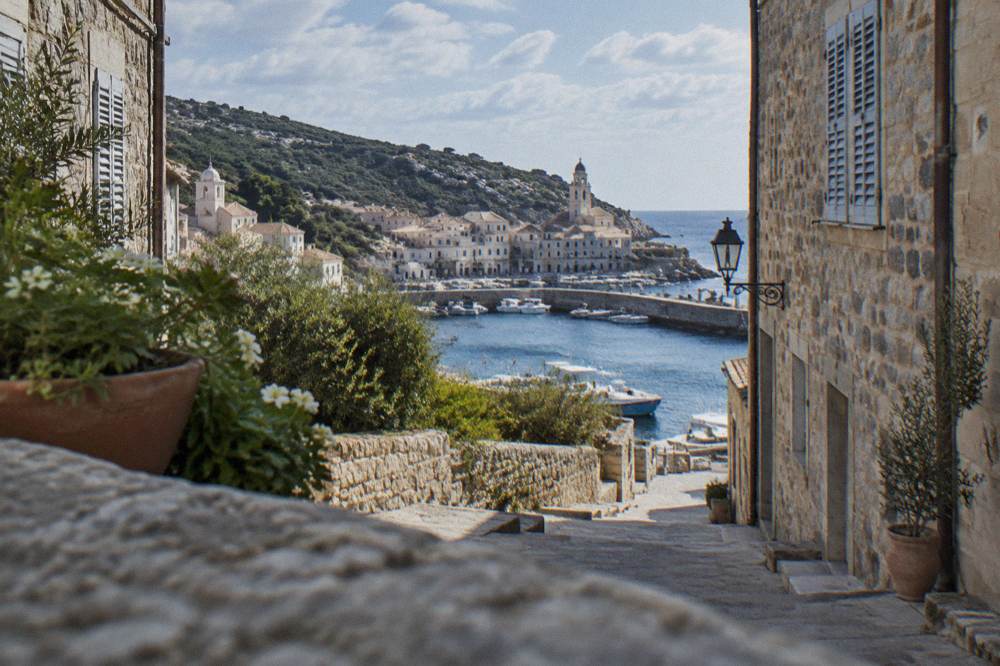
The table summarises which base suits which purchases, using only what the sources license.
| Town | Position | What To Shop For There |
|---|---|---|
| Ajaccio | West coast, capital | City food shops, Maison Bonaparte and Palais Fesch museums |
| Bastia | Northeast coast | Harbour-quarter shopping, Musée de Bastia |
| Corte | Inland, old capital | Cheese, honey and chestnut products from the interior |
| Calvi | Balagne coast | Wine tasting rooms, coastal food shops |
| L'Île-Rousse | Balagne coast | Balagne produce, coastal market town |
| Sartène | Southern interior | Charcuterie and chestnut country |
| Porto-Vecchio | Southeast coast | Old-town shops, vineyard-area produce |
What Wine And Drinks Should You Bring Home From Corsica?
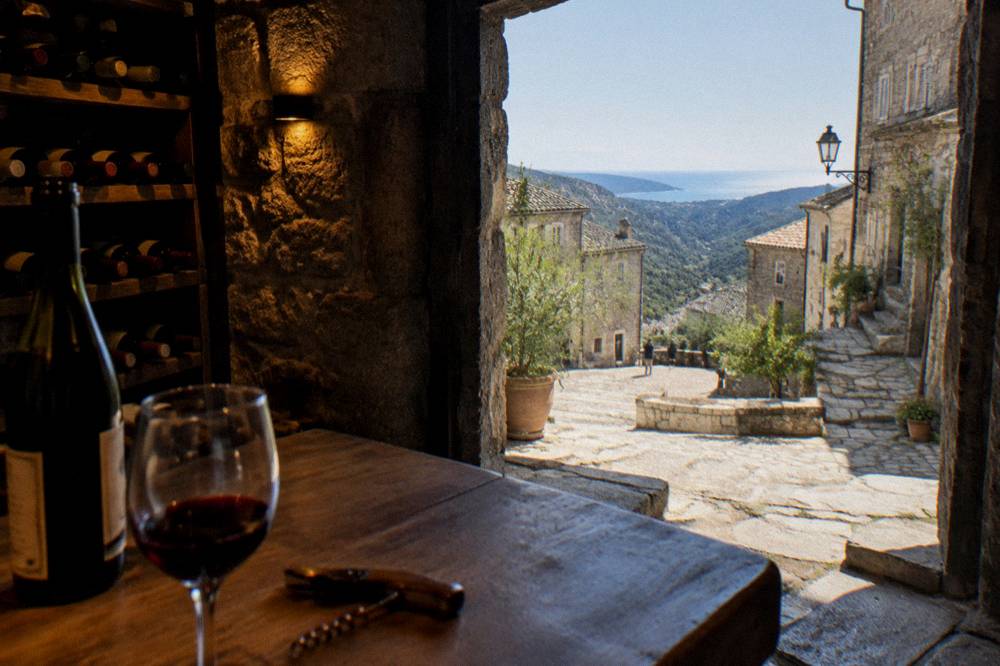
Corsica's named wine appellations are Patrimonio, Ajaccio, Vin de Corse with its named crus Calvi, Coteaux du Cap Corse, Figari, Porto-Vecchio and Sartène, and the Muscat du Cap Corse, made chiefly from the red grapes Nielluccio and Sciaccarellu and the white Vermentinu, per the visit-corsica.com listing. A bottle bought in the area whose name it carries is the island's most packable souvenir, and the Muscat du Cap Corse is the sweet style most often carried home as a gift.
The grape names are worth learning before a tasting-room visit. Nielluccio and Sciaccarellu are the red varieties, Vermentinu the white, again per the visit-corsica.com listing. A shop that names its varieties is doing what the appellations require; one that cannot say may be selling a blend from elsewhere.
| Appellation | Named Crus Under Vin De Corse | Main Grapes Listed |
|---|---|---|
| Patrimonio | None listed | Nielluccio, Sciaccarellu, Vermentinu |
| Ajaccio | None listed | Nielluccio, Sciaccarellu, Vermentinu |
| Vin de Corse | Calvi, Coteaux du Cap Corse, Figari, Porto-Vecchio, Sartène | Nielluccio, Sciaccarellu, Vermentinu |
| Muscat du Cap Corse | Sweet wine of Cap Corse | Muscat |
Beyond wine, the island's other named liquid is Cap Corse, the quinine aperitif, and Pietra, the chestnut-flour beer. Both are drinks to know by name when reading a café menu; the founding year of the Pietra brewery is not stated in the primary sources, so no age claim attaches to it here. The Corsican drinks page on this site treats them at length.
How Do You Pack And Carry Corsican Food Home?
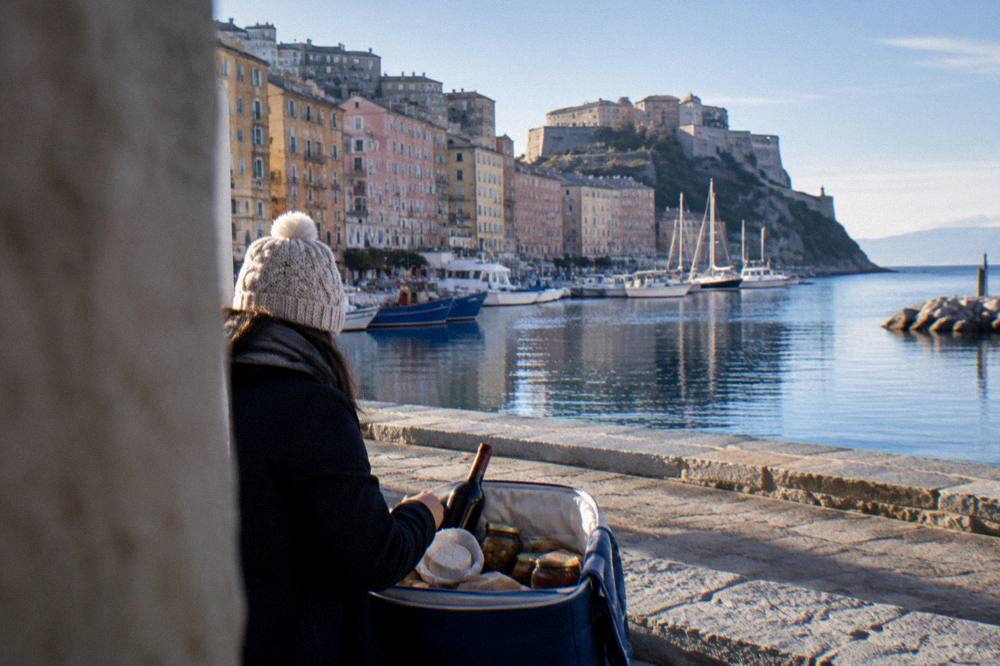
Cured products travel best: prisuttu, lonzu and coppa are dry-cured by design, chestnut flour and honey are shelf-stable in sealed jars and bags, olive oil travels in its bottle, and wine travels as any wine does, while fresh brocciu and clémentines are foods to eat on the island because the cheese is fresh and the fruit is seasonal. The rule of thumb is that everything with an AOP except brocciu can survive a ferry crossing or a flight in a normal bag with basic care.
The mode of departure shapes the packing. Ferries from Marseille, Toulon, Nice and the Italian ports carry cars, so a cool box in the boot is the simple answer; the crossing times run from about 4 to 5 hours on the short Livorno to Bastia leg to 12 to 13 hours overnight from Marseille, per the aggregator figures. The four airports, Ajaccio Napoléon Bonaparte, Bastia Poretta, Figari Sud Corse and Calvi Sainte-Catherine, mean hand-luggage rules instead, and liquids such as olive oil and wine belong in hold luggage.
| Product | Travels Well? | How To Carry |
|---|---|---|
| Prisuttu, lonzu, coppa | Yes | Paper wrap, cool bag in summer heat |
| Chestnut flour | Yes | Sealed bag, dry |
| Honey (Mele di Corsica) | Yes | Sealed jar, hold luggage when flying |
| Olive oil (Oliu di Corsica) | Yes | Bottle in hold luggage when flying |
| Wine, Muscat du Cap Corse | Yes | Bottle protectors, hold luggage |
| Brocciu | Poorly | Eat on the island; fresh whey cheese |
| Clémentine de Corse | Seasonal | Winter fruit, carry in a firm bag |
Summer heat is the one enemy. The Météo-France 1991-2020 normals for Ajaccio show average daily highs of 28.6 °C in July and 29.2 °C in August, so a charcuterie purchase made at midday in August wants a cool bag and a shady car, not a boot in full sun for an afternoon.
What Should You Know Before Shopping In Corsica?
Three practical rules govern a Corsican shopping day: prices are in euros, restaurant menus must state that service is included by law, and market foods carry the designation labels described above, so the practical work of shopping is reading labels, checking that a designation is named, and matching the purchase to the season, since brocciu is a fresh winter and spring cheese while the clémentine is a winter fruit. Everything else is logistics.
Payment and prices first. The currency is the euro, and local costs such as sight tickets are printed in euros on this site because that is how they are charged. Tipping is optional by law: the DGCCRF states that menus must carry "prix service compris" with the service percentage, so an extra tip is a courtesy rather than an obligation.
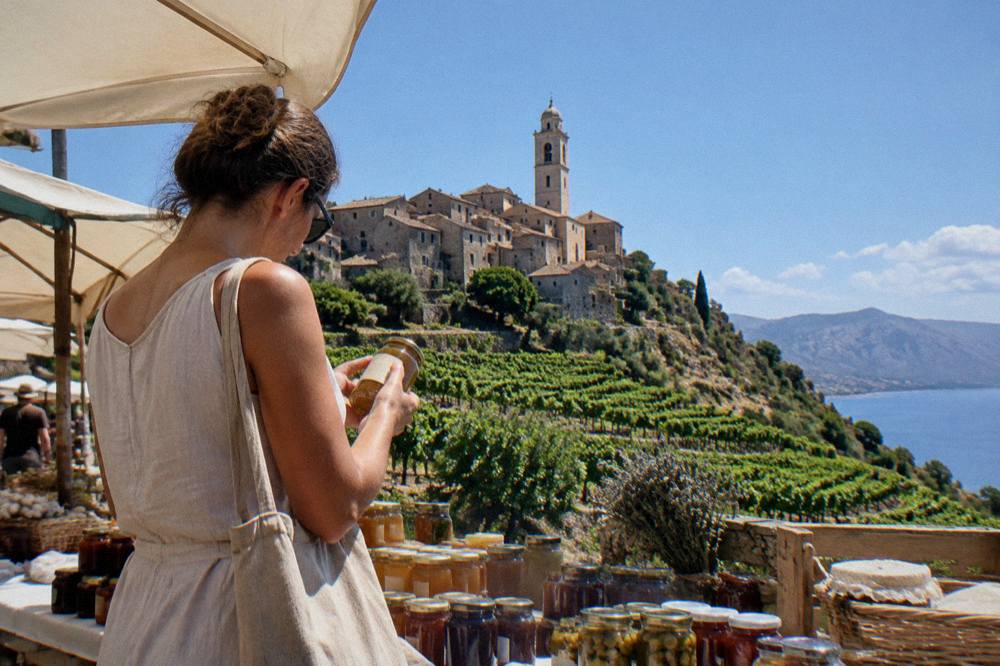
Seasons shape the stalls. The Météo-France Ajaccio normals put July rainfall at just 8.6 mm and November's at 111.8 mm, with October at 85.7 mm, so the summer market square is a dry, hot place and the late-autumn one a wet one; either way the protected products persist, because they are cured, preserved or jarred rather than fresh. Winter brings the clémentine and, in the high mountains, snow, which is the season of the interior's chestnut and cheese shops rather than the beach towns.
The month-by-month picture, from the Météo-France 1991-2020 station normals for Ajaccio:
| Month | Avg Daily High (°C) | Rain (mm) |
|---|---|---|
| Jan | 14.0 | 54.1 |
| Mar | 16.0 | 50.4 |
| May | 22.1 | 49.8 |
| Jul | 28.6 | 8.6 |
| Sep | 26.1 | 57.8 |
| Nov | 18.3 | 111.8 |
Safety on shopping days is unremarkable. The island's own rules matter more outdoors than in town: from 15 June to 30 September it is forbidden to light a fire or smoke in forests, maquis and massifs. The emergency numbers are 112 for all EU emergencies, 15 for medical, 17 for police, 18 for fire, 114 by SMS, and 196 for sea rescue.
Corsica Markets Beyond Food: What Else To Look For?
Beyond food, Corsican shopping means the island's crafts and its museums' shops: coral and jewellery traditions of the ports, the knife-making and textile crafts of the interior villages, and the museum bookshops at Maison Bonaparte, the Palais Fesch, the Musée de la Corse in Corte and the Musée de Bastia, each attached to a sight worth seeing in its own right. A shopping itinerary and a sightseeing itinerary on this island are largely the same route.
The museum stops double as practical breaks. Maison Bonaparte in Ajaccio charges EUR 10 full price, EUR 8 for non-EU residents aged 18 to 25 and large families, and is free for EU residents under 26; the Palais Fesch is EUR 10 full, EUR 6 for over-65s, free up to 18, open daily 09:00 to 17:00; the Musée de la Corse in Corte is EUR 5.50 full with one ticket covering museum and citadel. The full price list and hours sit in the sightseeing budgets guide.
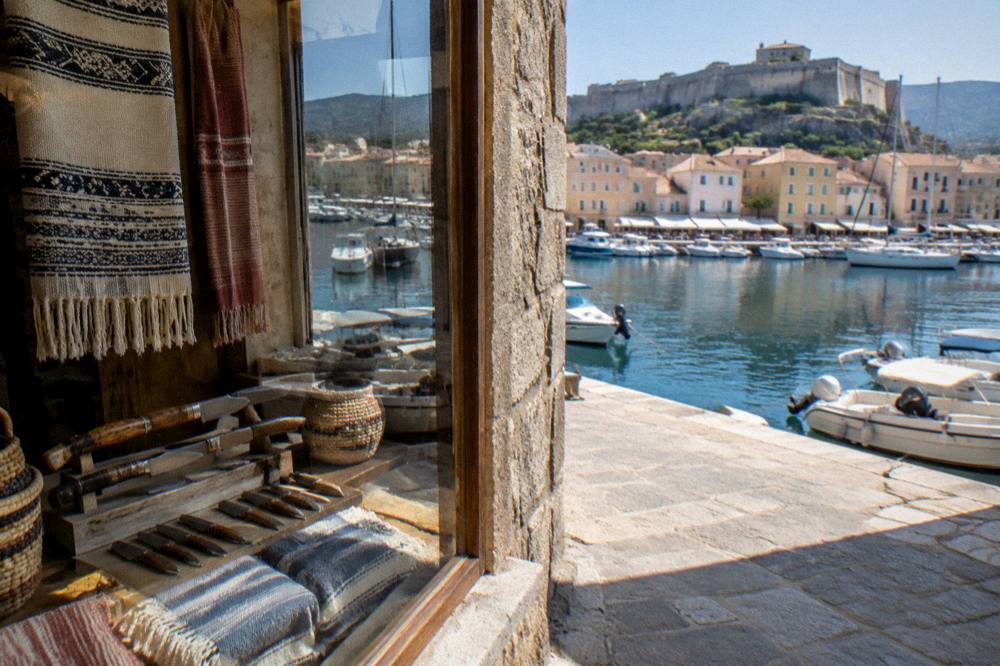
The village loop completes the picture. The Balagne's hilltop villages behind Calvi and L'Île-Rousse, and the villages of the southern interior behind Sartène and Porto-Vecchio, are where the island's small workshops sit, and the old hilltop villages day trip from Calvi is the organised way to reach several of them in a day. Driving there is covered in the driving in Corsica guide, and Inforoutes Corse publishes live road conditions and pass accessibility for the mountain sections.
Common Questions About Corsica Markets
What Food Is Corsica Famous For Buying?
Brocciu cheese, the charcuterie cuts prisuttu, lonzu and coppa, chestnut flour, olive oil, honey, the clémentine de Corse and the island's wines, including Muscat du Cap Corse. Each of the food products except the wine carries a French AOC or European AOP or IGP designation.
What Does AOP Mean On A Corsican Market Label?
AOP, appellation d'origine protégée, is a European protected designation. On Corsican products it means the food was made on the island to a defined standard, as with the charcuterie AOP of 2014, the Farina castagnina corsa chestnut flour and Mele di Corsica honey.
Can You Bring Corsican Cheese And Charcuterie Home On A Plane?
Cured charcuterie travels well wrapped in paper in a cool bag. Fresh brocciu is a whey cheese eaten in season on the island and is a poor traveller. Travellers flying within or out of the European Union should check the current rules for meat and dairy products at their destination before packing.
Which Corsican Wine Should You Buy As A Gift?
The named appellations are Patrimonio, Ajaccio, Vin de Corse with the crus Calvi, Coteaux du Cap Corse, Figari, Porto-Vecchio and Sartène, and Muscat du Cap Corse. The Muscat du Cap Corse is the sweet, gift-friendly style; the still wines are made chiefly from Nielluccio, Sciaccarellu and Vermentinu.
Where Is The Best Place In Corsica To Buy Local Produce?
Ajaccio and Bastia are the city bases, Corte is the interior base for cheese, honey and chestnut products, and the Balagne towns of Calvi and L'Île-Rousse combine coastal shopping with the hilltop village workshops behind them.
Do You Tip When Buying At Corsican Markets?
Market purchases are paid at the stated price in euros. In restaurants the law requires menus to state that service is included, and any extra tip is voluntary.
Before you go, the pick for this guide:
3-Hour Food Tour, Tastings
A three-hour food tour of Corsican producers with tastings along the way.
★ 4.88 180 reviews · From $69.65
Check availability →