Is Cap Corse Worth Visiting?
A clear answer on whether Cap Corse is worth visiting on a Corsica trip, with reported access details for the Désert des Agriates, Bastia museum hours and climate figures.
Cap Corse is the peninsula that runs north from the Saint-Florent area to the very tip of Corsica, and the question of whether it deserves a slice of a short trip comes up constantly in trip planning. The answer this page gives is a conditional yes, built on what the published sources actually say rather than on folklore. The peninsula sits in Haute-Corse, the island's northern department, with Bastia (46,867 residents in the 2023 census) as its main gateway town. More detail on the peninsula's towns and layout sits in the Cap Corse area guide, and the full Cap Corse day trip plan covers the practical routing.
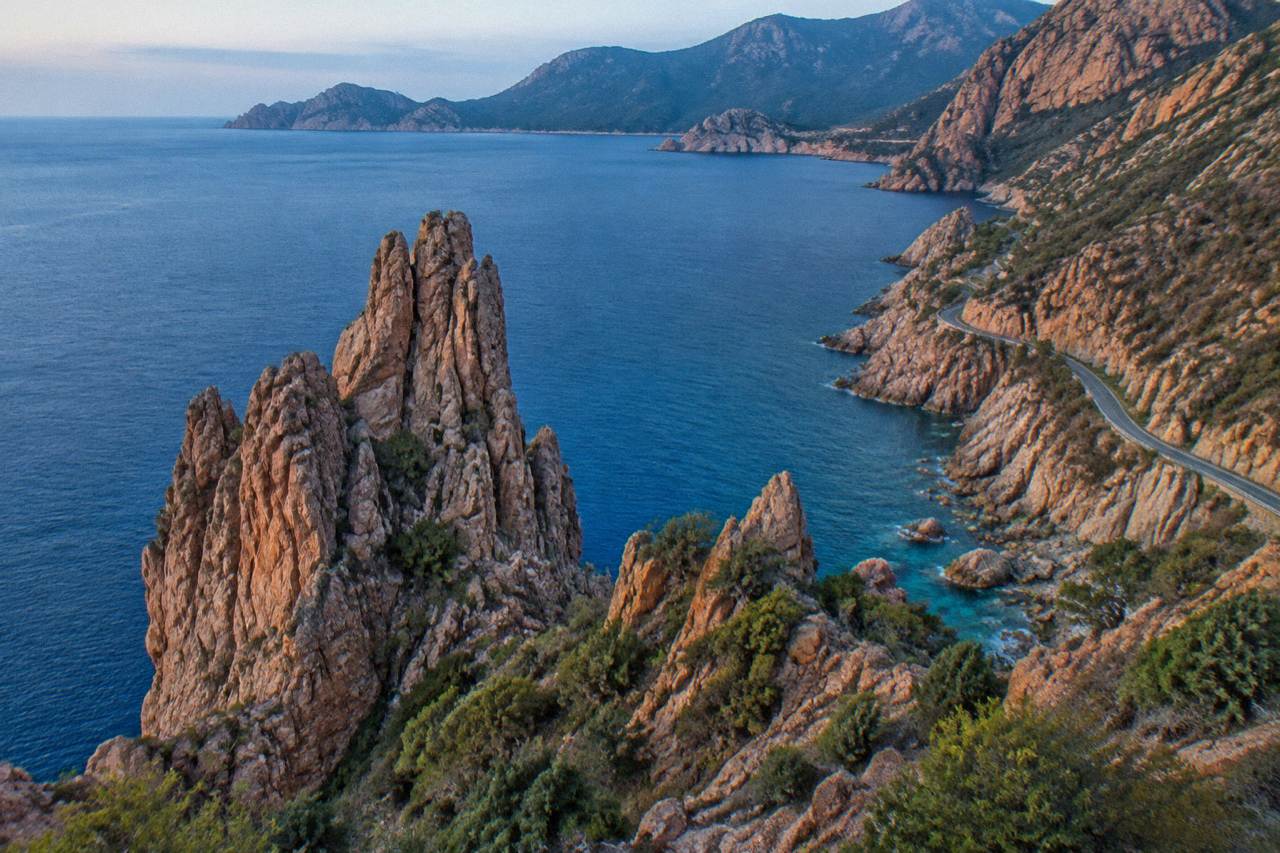
Yes, Cap Corse is worth visiting for travellers who want a quieter stretch of Corsica's coastline within easy reach of Bastia, especially as a half-day or full-day loop built around the Désert des Agriates beaches and the Patrimonio wine area at the peninsula's base. It rewards a car, a boat shuttle or a guided trip more than it rewards walking, because the beaches people come for are reached by water or by rough track.
That verdict comes with a caveat about scale. Corsica is an island of 8,722 km2 with more than 1,000 km of coastline, and Cap Corse is one region among many, competing for time against Bonifacio, Scandola and the GR20. On a first trip of a week or less, the trade-offs matter, and the question of how many days in Corsica is enough shapes whether the peninsula fits at all.
The strongest argument for Cap Corse is the Désert des Agriates, the protected coastal stretch on its western side. Saleccia and Lotu, its two best-known beaches, are reported by the island's tourism site as reachable by boat shuttle from Saint-Florent roughly April to October, weather permitting, by 4x4 track from Casta, or on foot. That is a genuine "yes" reason: these are beaches you cannot park beside, which keeps the experience distinct from the drive-up strands elsewhere on the island.
The second argument is wine. The Patrimonio appellation sits at the base of Cap Corse, per the regional tourism listings, and it is one of the named Corsican wine appellations alongside Ajaccio, Vin de Corse and Muscat du Cap Corse. A tasting stop folds naturally into a peninsula loop. The wider Corsica overview covers how wine, charcuterie and brocciu carry protected names across the island.
How Do You Get To Cap Corse And Around It?
Cap Corse is reached from Bastia, the island's second-largest town and the northern hub of Haute-Corse, either by car or as part of a guided day trip from Saint-Florent. Bastia is a major ferry port with year-round sailings from Marseille and Livorno, so many visitors arrive essentially at the peninsula's doorstep. Once there, a vehicle or an organised excursion is the realistic way to cover it.
The ferry picture matters more here than almost anywhere else on the island. Corsica Linea sails Marseille to Bastia year-round, and Moby runs Livorno to Bastia as well as Genoa to Bastia, with crossing times from Livorno reported at roughly 4 to 5 hours. The full detail is in the guide to how you get to Corsica, but the short version is that Bastia's ferry links make Cap Corse one of the easiest corners of the island to reach without flying.
Public transport is the weak point. The Chemins de fer de la Corse runs an Ajaccio to Bastia line via Corte and a coastal Balagne line between Calvi and L'Île-Rousse, but neither serves the peninsula itself. Anyone weighing this up honestly should read the answer to whether you need a car in Corsica; for Cap Corse specifically the answer leans clearly toward yes, or toward a guided trip that includes transport.
What Can You Actually See And Do In Cap Corse?
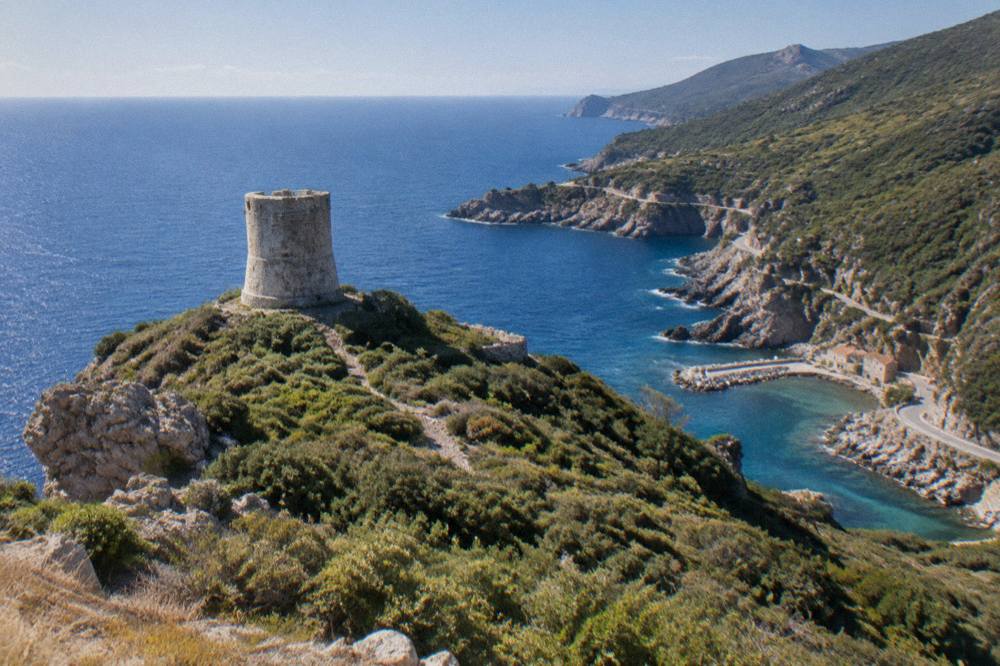
The peninsula's draw is a combination of the Désert des Agriates beaches, the Patrimonio wine area at its base, the fishing-village character of its eastern coast as far as the sources describe it, and the Museum of Bastia at its southern gateway. Between May and October the sea itself becomes the main attraction, with boat shuttles, catamaran trips and swimming stops.
The Agriates deserve the headline. Because Saleccia and Lotu are reached by shuttle boat, 4x4 track or on foot, per the reported access details, a morning on that coast feels structurally different from the resort beaches around Porto-Vecchio. From the L'Île-Rousse side, full-day catamaran trips into the Agriates also run, which opens the same stretch of coast to visitors based further west.
At the base of the peninsula, the Patrimonio appellation gives the loop a stop with substance, and the Corsican drinks guide covers what the island's winemakers and brewers pour. In Bastia itself, the Museum of Bastia in the Palais des Gouverneurs is the one sight in the area with published hours: reported as 10:00 to 18:30 in high season, and 09:00 to 12:00 plus 14:00 to 17:00 in low season, closed Sundays and Mondays. That closure pattern is worth planning around, and the Bastia answer page weighs the town itself.
| What | Where | Published detail |
|---|---|---|
| Saleccia and Lotu beaches | Désert des Agriates | Boat shuttle from Saint-Florent about April to October, 4x4 track from Casta, or on foot |
| Patrimonio wine area | Base of the peninsula | One of Corsica's named appellations, per regional tourism listings |
| Museum of Bastia, Palais des Gouverneurs | Bastia | High season 10:00 to 18:30; low season 09:00-12:00 and 14:00-17:00; closed Sunday and Monday (reported, confirm before you go) |
| Ferry gateway | Bastia port | Year-round Marseille and Livorno links; Livorno crossing about 4-5 hours |
A guided half-day covering Cap Corse and the Agriates runs from Saint-Florent and is the simplest way to see the peninsula without hiring a car; Check availability for current dates and pricing. It is also a strong first choice for families and short-stay visitors, since it bundles the two headline sights of the region into one outing.
When Is The Best Time Of Year For Cap Corse?
No single month is officially best, but the Météo-France 1991-2020 climate normals for Bastia show the pattern that shapes a Cap Corse trip: July averages 29.4 °C daily highs with 13.8 mm of rain, August 29.8 °C with 21.1 mm, and the reported boat shuttles to the Agriates beaches run about April to October, weather permitting. Those two facts together define the practical season.
The same normals show the shoulder trade-off plainly. May averages 22.4 °C daily highs with 53.7 mm of rain and 8 h 42 min of sunshine a day at Bastia, while November averages 17.7 °C with 134.3 mm of rain. October and November carry the largest rain totals of the Bastia table, at 126.5 mm and 134.3 mm respectively. None of that makes autumn impossible, and the answer to whether you can swim in Corsica in October deals with the sea side of that question directly.
One summer rule applies to anyone heading onto the coastal massifs: from 15 June to 30 September it is forbidden to light a fire or smoke in forests, maquis and massifs, and the fire-risk map is updated at 18:00 each day for the next day, with access to some massifs restricted in the high season. UK foreign travel advice for France also notes a high wildfire risk from April to October. For a beach-and-boat Cap Corse trip this rarely bites, but hikers should check the daily map.
| Month | Bastia daily high °C | Bastia rain mm | Sunshine h/day |
|---|---|---|---|
| May | 22.4 | 53.7 | 8.7 |
| June | 26.4 | 38.8 | 10.2 |
| July | 29.4 | 13.8 | 11.2 |
| August | 29.8 | 21.1 | 10.1 |
| September | 26.0 | 74.5 | 7.9 |
| October | 22.0 | 126.5 | 5.9 |
Figures are Météo-France station normals, 1991-2020.
How Does Cap Corse Compare With Corsica's Other Headline Regions?
Cap Corse competes for time against Bonifacio's cliffs and the Îles Lavezzi in the far south, Scandola and the Calanques de Piana on the west coast, and the Balagne around Calvi and L'Île-Rousse, and the honest comparison is about trade-offs rather than rankings. The peninsula wins on ferry access from Bastia, wine at Patrimonio and boat-only beaches; Scandola wins on UNESCO status; Bonifacio wins on cliff drama.
The UNESCO benchmark is the clearest fact in that comparison. The Gulf of Porto, covering the Calanche of Piana, the Gulf of Girolata and the Scandola Reserve, was inscribed in 1983, and Scandola's terrestrial part is closed to the public with visits by boat only. That is a protected-area weight the Cap Corse coast does not claim, though the Désert des Agriates is itself a protected and access-limited landscape, which is precisely why its beaches stay hard to reach.
For travellers already based in the south, the math changes: a Bonifacio boat trip or a Lavezzi cruise may be the better use of a day than a long drive north. Corsica is small on paper but mountainous in practice, and road times to Corte alone run one hour from Bastia and two hours forty-five from Bonifacio, which signals how much the interior geography eats into any cross-island day.
Common Questions About Cap Corse
Is Cap Corse Worth Visiting?
Yes, for most trip shapes. The peninsula combines boat-shuttle beaches in the Désert des Agriates, the Patrimonio wine area at its base and easy access from Bastia's ferry port, making it a strong half-day or full-day addition to a northern Corsica itinerary.
Can You Get To Saleccia And Lotu Without A 4x4?
Reported access runs three ways: a boat shuttle from Saint-Florent about April to October, weather permitting, a 4x4 track from Casta, or walking. A guided trip that includes transport is the other practical option.
Do You Need A Car For Cap Corse?
For independent travel, realistically yes, or a guided excursion instead. The Chemins de fer de la Corse lines serve Bastia but not the peninsula itself, and the Agriates beaches are reached by boat, track or foot.
Is The Museum Of Bastia Open Every Day?
Reported hours are 10:00 to 18:30 in high season and 09:00 to 12:00 plus 14:00 to 17:00 in low season, closed Sundays and Mondays. Confirm before you go.
When Do The Agriates Boat Shuttles Run?
The tourism listing reports the Saint-Florent shuttles running about April to October, weather permitting. Outside that window the track from Casta or walking remain, and sea conditions govern the boat option at any time of year.
Is Cap Corse Good For A Short Trip To Corsica?
It fits well into short itineraries that start or end in Bastia, since the ferry port sits right at its base. On a first trip of only three or four days, the choice between Cap Corse and the south depends on where the ferry or flight lands, and seeing both in one dash is not advised.
The final word: Cap Corse earns its place on a Corsica itinerary when the trip touches Bastia or Saint-Florent, when protected coastline and a wine appellation matter more than cliff theatrics, and when the plan allows a boat, a 4x4 or a guided day to reach the beaches that give the peninsula its reputation. More of the island's practical planning sits across Corsica Travel Guide, from ferry timings to the overall worth-visiting verdict.