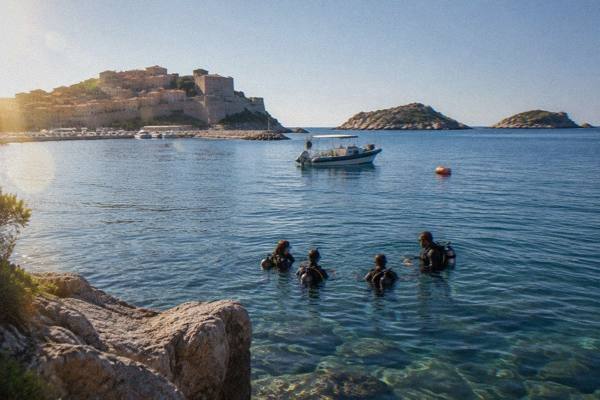
Is Palombaggia Worth Visiting?
Is Palombaggia worth the detour on a Corsica trip? An honest, source-based look at the beach, its setting near Porto-Vecchio, and what a visit actually involves.
Palombaggia is one of the named beaches of Corsica, the French Mediterranean island with more than 1,000 km of coastline, and it sits on the southeast coast within reach of Porto-Vecchio. The question any planner asks is simple: does it deserve a place on a tight itinerary, or is it just a name that circulates? The honest answer is that the beach, its setting and the range of boat, dive and 4x4 trips running from the Porto-Vecchio area make it one of the island's most practical bases for a seaside stretch, with a few caveats about summer access that no guide should hide. This page sets out what the sources say, what a visit involves, and how it compares with the alternatives.
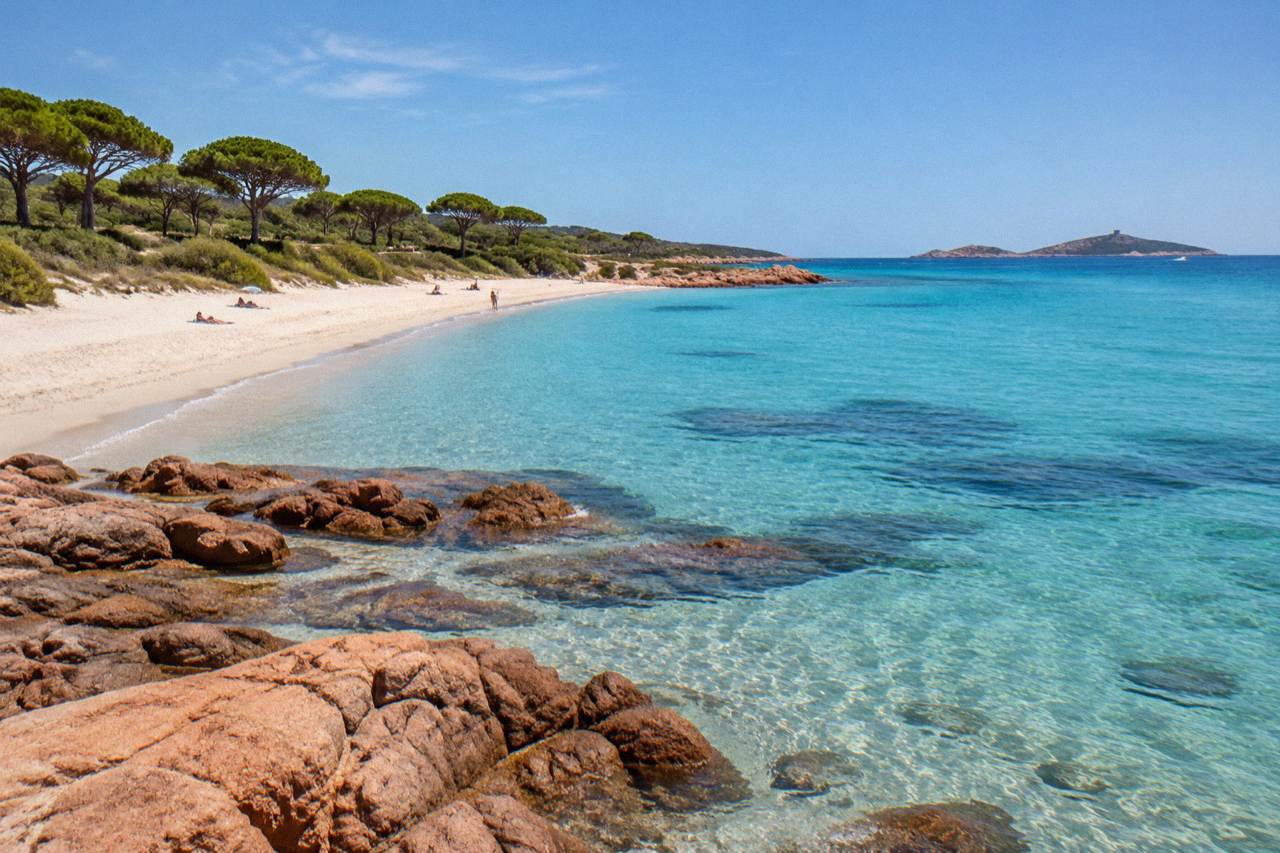
Yes, Palombaggia is worth visiting for the large majority of travellers whose Corsica trip includes the southeast coast, because it combines one of the island's best-known beaches with a genuine activity hub: the Porto-Vecchio area runs catamaran cruises to the Lavezzi islands, guided snorkelling trips, beginner scuba diving and 4x4 tours into the Ospedale forest and the Aiguilles de Bavella. The beach is a place name on every island map, and the surrounding coast is where much of southern Corsica's sea life is concentrated.
That answer deserves unpacking. Corsica is a sea-surrounded island, and the beaches, coves and boat trips around its more than 1,000 km of coast are core to any visit, not an optional extra. Palombaggia belongs to the Porto-Vecchio end of the island, the same corner that holds Santa Giulia, Rondinara and the Cerbicale Islands reserve. The reserve matters here: one of the bookable products in the area is a beginner scuba dive inside the Cerbicale Islands Reserve, which tells you the water around this coast is treated as a protected marine environment worth exploring below the surface as well as from a towel.
What the sources do establish is the context: Porto-Vecchio is one of the island's principal towns, a ferry port and an airport (Figari Sud Corse) sits within the region, and the tourist infrastructure of the southeast is built around exactly this stretch of sand and its neighbours. If a beach is the anchor of half the region's accommodation, that is itself evidence of what a visit delivers. For a fuller profile of the beach itself, see the Palombaggia Beach guide, and for whether the island rewards the journey at all, the answer at is Corsica worth visiting covers the island-wide case.
Where Is Palombaggia In Corsica And How Do You Reach It?
Palombaggia lies on Corsica's southeast coast, a short way south of Porto-Vecchio, one of the island's main towns and ferry ports. The nearest airports are Figari Sud Corse (FSC) to the south and, further afield, Ajaccio Napoléon Bonaparte (AJA) and Bastia Poretta (BIA); the drive from Bastia to Porto-Vecchio is a real mountain-road journey, and the island's four airports between them carry the bulk of the more than 8.5 million passengers who passed through Corsica's ports and airports in 2025.
Porto-Vecchio is one of Corsica's ferry ports including alongside Ajaccio, Bastia, Bonifacio, Calvi, L'Île-Rousse and Propriano. That matters for planning: you can sail from Marseille to Porto-Vecchio with La Méridionale year-round, and Corsica Ferries also serves the port from Toulon and Nice, so a car-free or car-with-car arrival directly into the Palombaggia corner of the island is possible without crossing the mountains. The alternative arrival at Bastia or Ajaccio means a cross-island drive on narrow roads, which is a consideration addressed in detail at do you need a car in Corsica.
The road network is the honest caveat. Corsica's mountain roads are narrow, and Inforoutes Corse publishes live road conditions and accessibility levels for the main passes, which is the reference to check before any long drive on the island. No drive time is given here for the trip from Porto-Vecchio town to the beach. What can be stated plainly is the standing pattern: live road status is published, and summer fire-risk rules (15 June to 30 September, no fires or smoking in forests, maquis and massifs) can restrict access to some massifs from mid-June to mid-September, with the risk map updated at 18:00 for the next day.
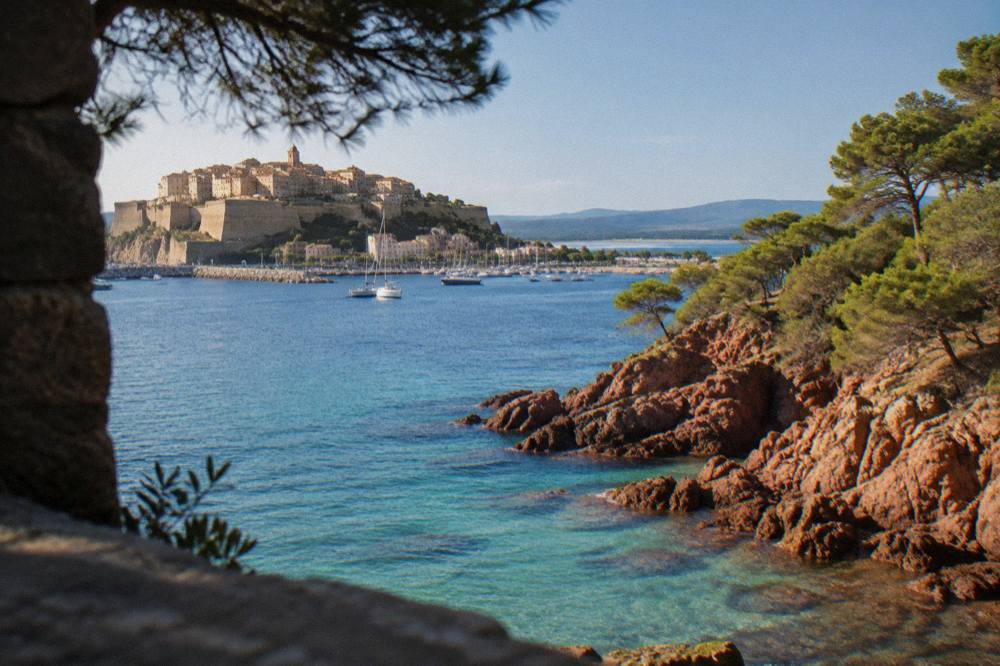
What Can You Do Around Palombaggia And Porto-Vecchio?
The Palombaggia and Porto-Vecchio area carries one of the densest selections of sea and mountain activities on the island: a beginner scuba dive in the Cerbicale Islands Reserve, a full-day catamaran cruise to the Lavezzi islands, 4x4 tours of the Ospedale forest and the Aiguilles de Bavella, and a 4x4 day tour of the Cuscionu plateau and the Alta Rocca. A beach day here can be paired with a boat day and an interior day without ever moving accommodation.
The sea options are the strongest argument for the area. A catamaran cruise to the Lavezzi islands runs from Porto-Vecchio, and the Lavezzi archipelago sits inside the Bouches de Bonifacio Nature Reserve, managed by the OEC, which is the same protective status that makes the diving and snorkelling around this coast notable. For anyone who has never dived, a beginner scuba dive with an experienced instructor in the Cerbicale Islands Reserve is the region's most direct introduction to Corsica's underwater life, and it needs no certification to book. Our view is that this is one of the better first-dive settings on the island precisely because it takes place inside a managed reserve rather than open water. If the idea appeals, the beginner scuba dive in the Cerbicale Islands Reserve is covered on its own page, and Check availability before locking the rest of a day plan around it.
The interior options are just as close. The Ospedale forest and the Aiguilles de Bavella are the mountain backdrop behind Porto-Vecchio, reached on a 4x4 tour from the town, and the Cuscionu plateau and Alta Rocca run on a second 4x4 day. This pairing, one day of sea and one day of massif, is the shape of a good two-day stay in the southeast, and it is the reason the answer to the page's question leans yes for more than just beach lovers. Wine is a third strand: Corsican appellations listed in the sources include Vin de Corse with named crus such as Porto-Vecchio and Figari, so the area's vineyards sit inside a recognised appellation zone.
| Activity From The Porto-Vecchio Area | Type | Setting |
|---|---|---|
| Beginner scuba dive in the Cerbicale Islands Reserve | Snorkel and diving | Protected marine reserve |
| Catamaran cruise to the Lavezzi islands | Bonifacio and Lavezzi cruise | Bouches de Bonifacio Nature Reserve |
| 4x4 tour of the Ospedale forest and Bavella needles | Jeep and 4x4 | Mountain interior behind Porto-Vecchio |
| Cuscionu plateau and Alta Rocca 4x4 tour | Jeep and 4x4 | Southern interior |
| Ospedale and Bavella e-mountain bike ride | Active day | Plateau du Coscione |
How Does Palombaggia Compare With Other Corsican Beaches?
Corsica has more than 1,000 km of coastline and a long list of named beaches, and no ranking exists that places one above another. Palombaggia's southeast corner stacks a major town, a ferry port and an airport region against rivals such as Saleccia and Lotu in the Désert des Agriates, reached by boat shuttle from Saint-Florent, by 4x4 track from Casta or on foot, and the Ajaccio gulf beaches served by the Sanguinaires boat trips.
The comparison that matters is access versus remoteness. Saleccia and Lotu, in the Désert des Agriates, are reached by boat shuttle from Saint-Florent roughly April to October, weather permitting, by 4x4 track from Casta or on foot, which makes them a deliberate expedition rather than a base. Palombaggia is the opposite profile: part of the urban and tourist fabric of Porto-Vecchio, with the region's dive boats, catamarans and 4x4 tours radiating from the same corner. The wider beach-by-beach picture, including Santa Giulia and Rondinara in the same southeast, is laid out in the best beach in Corsica answer, and a longer island plan can draw on how many days in Corsica is enough.
Supervision is one point where the facts are concrete. Ajaccio's main beaches have seven lifeguard posts from 1 July to the end of August 2026, and Haute-Corse's supervised beaches are staffed by volunteer firefighters about 1 July to 31 August. No equivalent figure could be found for Palombaggia specifically, so swim within marked areas and check locally, and remember 196 is the sea rescue number, with 112 the general European emergency number. The rest of the planning pages sit on Corsica Travel Guide.
When Should You Plan A Palombaggia Visit?
The Météo-France 1991-2020 climate normals for Ajaccio show the seasonal shape: July averages 8.6 mm of rain, August has the highest mean daily high at 29.2 °C, and October and November carry the most rain, with November at 111.8 mm at Ajaccio and 134.3 mm at Bastia. Summer is hot and dry, winter is mild and wet, and snow falls only on the high mountains, so a beach visit is realistically a May-to-September proposition.
Those are station figures for the two main towns, and the southeast coast typically sits at the warm end of the island, but the seasonal shape holds everywhere. Two facts shape the timing decision more than temperature. First, the fire rules: from 15 June to 30 September it is forbidden to light a fire or smoke in forests, maquis and massifs, and from mid-June to mid-September access to some massifs can be restricted, which matters if the Bavella 4x4 day is part of the plan. Second, lifeguard and shuttle seasons: Haute-Corse's supervised beaches run about 1 July to 31 August, and the Saint-Florent boat shuttles to the Agriates beaches run roughly April to October, weather permitting, a window that hints at the island's operational summer without being a Palombaggia-specific schedule. The best month to visit Corsica answer works through the same data month by month.
| Month | Ajaccio Mean Daily High (°C) | Ajaccio Rain (mm) | Bastia Rain (mm) |
|---|---|---|---|
| May | 22.1 | 49.8 | 53.7 |
| June | 25.9 | 25.9 | 38.8 |
| July | 28.6 | 8.6 | 13.8 |
| August | 29.2 | 15.8 | 21.1 |
| September | 26.1 | 57.8 | 74.5 |
| October | 22.8 | 85.7 | 126.5 |
What Should You Know Before You Go?
A few standing rules shape any Palombaggia day: wild camping is banned across Corsica, tipping is optional because menus must state "prix service compris", the euro is the currency, and emergency numbers are 112, 15, 17, 18, 114 and 196 for sea rescue, with mountain rescue at PGHM Ajaccio 04 95 24 24 00. The UK FCDO notes a high wildfire risk in France from April to October, and the US State Department lists France at Level 2, Exercise Increased Caution.
None of that should alarm anyone; it is the ordinary framework of a Mediterranean island holiday. What is known and useful: arrive with cash expectations set in euros for local costs, book the area's boat and dive products ahead because they are the region's signature activities, and keep the fire-season rules in mind if the itinerary reaches the maquis and the massifs behind the coast. For the island-wide picture of costs, is Corsica expensive covers what a trip actually runs.
Food is part of any beach day too, and the southeast's markets carry the island's protected produce. Brocciu has held its appellation since 1983, the charcuterie cuts prisuttu, lonzu and coppa took AOP status in 2014, and Corsican honey, chestnut flour, olive oil and clementines all carry their own designations. A picnic built from those is the standard companion to a day on the sand, and the Corsican food guide lists what to look for.
| Practical Point | What The Sources Say |
|---|---|
| Currency | Euro |
| Wild camping | Banned across Corsica, bivouac only in marked refuge areas |
| Tipping | Optional, service included in menu prices by law |
| Fire season | No fires or smoking in forests, maquis and massifs, 15 June to 30 September |
| Sea rescue | 196, with 112 for general emergencies |
| Wildfire risk | UK FCDO notes high risk in France, April to October |
Common Questions About Palombaggia
Is Palombaggia Worth Visiting?
Yes. For any Corsica itinerary that touches the southeast, the beach pairs with a dense set of activities from the Porto-Vecchio area, including catamaran cruises to the Lavezzi islands, a beginner scuba dive in the Cerbicale Islands Reserve and 4x4 tours to the Ospedale forest and the Aiguilles de Bavella.
Where Exactly Is Palombaggia?
On Corsica's southeast coast near Porto-Vecchio, one of the island's main towns and one of its ferry ports. Figari Sud Corse airport serves the same region.
Can You Swim At Palombaggia?
The island's supervised beach seasons run roughly 1 July to 31 August, with Ajaccio's main beaches holding seven lifeguard posts in that window and Haute-Corse's beaches staffed by volunteer firefighters. Palombaggia is not covered by any specific count, so swim in marked areas and check locally. Sea rescue is 196.
How Does Palombaggia Compare With Saleccia And Lotu?
Different profiles. Saleccia and Lotu in the Désert des Agriates are reached by boat shuttle from Saint-Florent, by 4x4 track from Casta or on foot, while Palombaggia sits inside the served Porto-Vecchio tourist area with its dive and cruise operators.
Do You Need A Car For Palombaggia?
Not necessarily. Porto-Vecchio is a ferry port with direct sailings from Marseille, Toulon and Nice, so a car-free arrival into the region is possible, though a car widens access to the interior tours. The decision is covered in the site's car-free answer.
The verdict stands: Palombaggia earns its itinerary slot, less as a single strip of sand than as the seaside anchor of Corsica's most activity-dense southeast corner, and a visit planned around its sea trips, its dive boats and the massifs behind it delivers more than the beach name alone suggests.