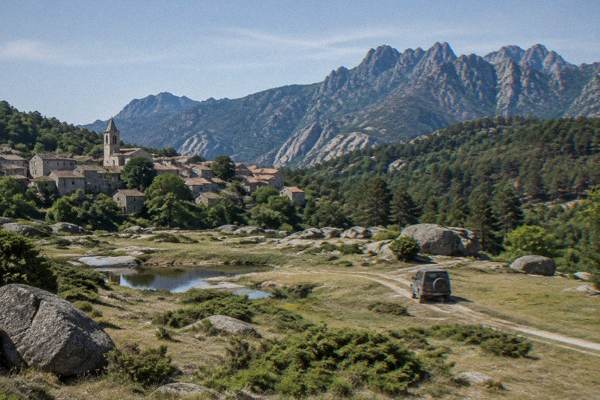
Restonica Valley
The Restonica Valley rises above Corte, the old capital of Corsica, deep in the island's mountainous interior. This guide covers access from the coast, the seasonal shuttle, the walking trails of the interior, the fire-season rules that shape a summer visit and the practical facts for planning a day away from the beaches.
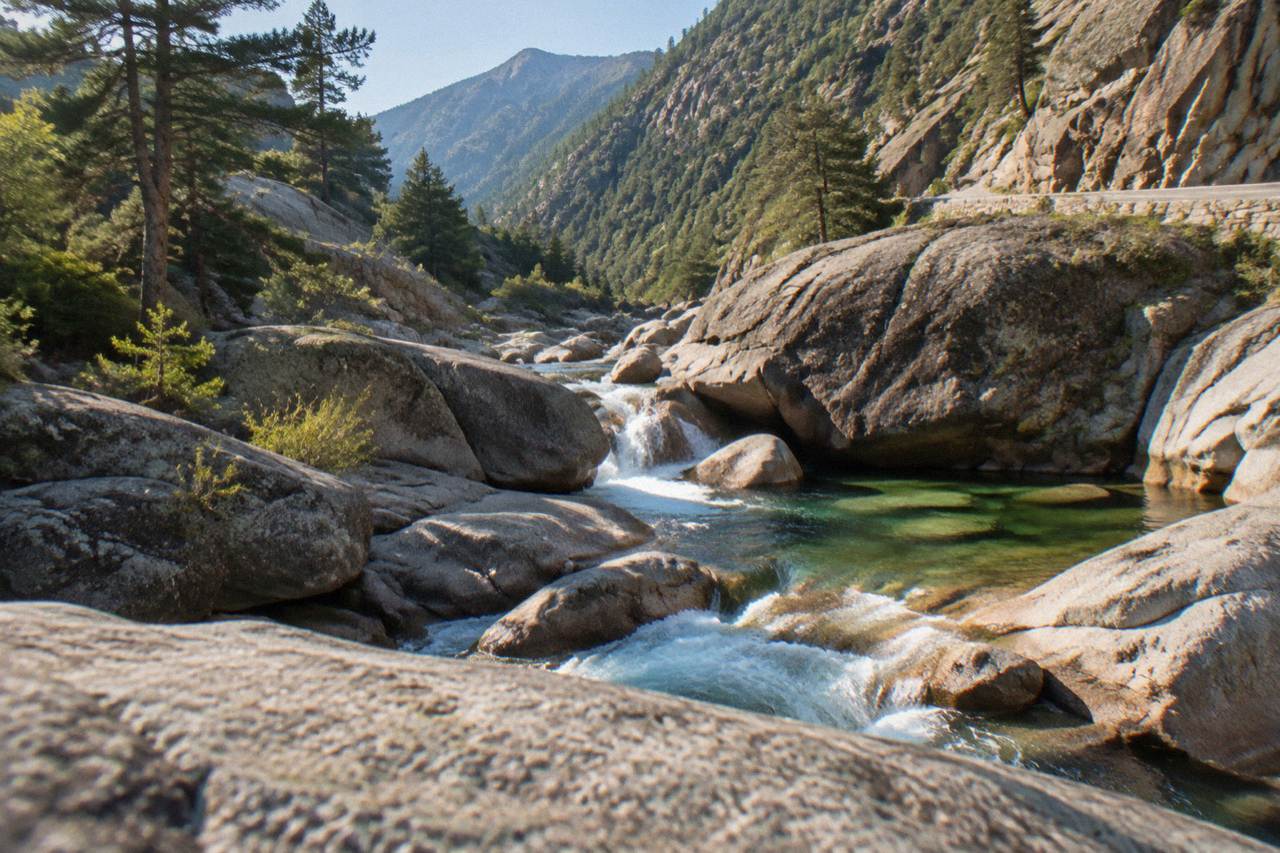
The Restonica Valley is a mountain valley above Corte in central Corsica, reached by road or by the seasonal navette C13 shuttle from Corte. Corte is 1 h from Bastia, 1 h 30 from Ajaccio and Calvi, 2 h from Porto-Vecchio and 2 h 45 from Bonifacio or Propriano by road.
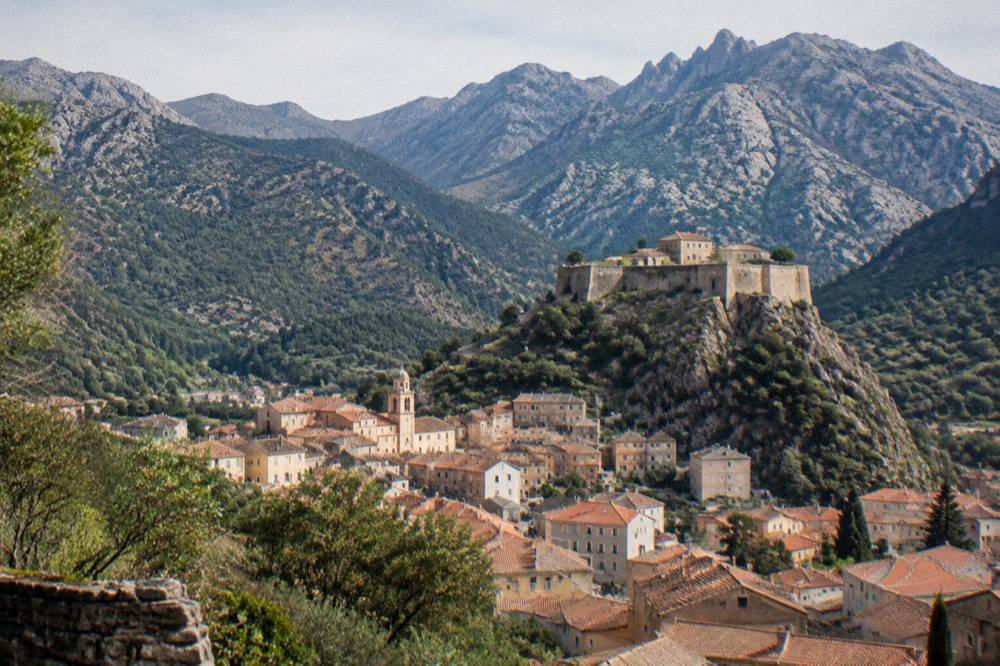
The Restonica Valley cuts into the mountainous interior of Corsica directly above Corte, the island's old capital and the natural gateway to its high granite country. Corte sits inland, well away from the beaches and ports of the coast, and the valley that climbs from the town is one of the classic reasons travellers base themselves here for a night or two rather than staying only on the shore. This page gathers what the official sources say about getting there, the seasonal shuttle, the walking trails of the interior, the weather as the Météo-France station normals record it, and the safety rules that matter in a Corsican summer.
Corsica itself is the context for everything here: a French Mediterranean island of 8,722 km2 with more than 1,000 km of coastline, a fourth-largest island in the Mediterranean, and an interior that rises to Monte Cinto at 2,706 m. The Restonica Valley belongs wholly to that interior world, the part of the island the site's Corsica Travel Guide coverage treats as the inland counterweight to Bonifacio's cliffs and the beaches of Palombaggia.
Where Is The Restonica Valley In Corsica?
The Restonica Valley lies immediately above Corte in central Corsica, the island's historic capital, deep in the mountainous interior and well away from the coast. Corte is the practical base for the valley, and the museum's own practical page gives the road times: one hour from Bastia, one hour thirty from Ajaccio and from Calvi, two hours from Porto-Vecchio, and two hours forty-five from Bonifacio and from Propriano.
Those figures come from the Musée de la Corse practical information page in Corte, and they make a useful planning point: the valley is a genuinely central destination, reachable in a morning drive from every major town on the island. The drive from the coast climbs into the interior, and Inforoutes Corse publishes live road conditions and accessibility levels for the main mountain passes, which matters in winter and after storms.
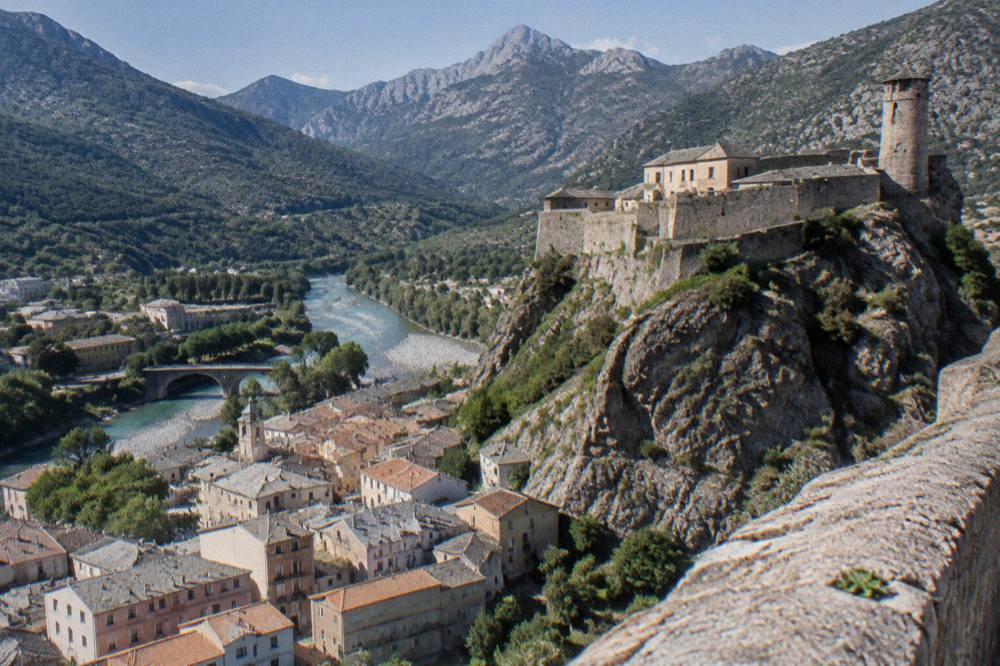
For orientation, the table below gives the road times to Corte from the main coastal towns and ferry ports.
| From | Road time to Corte |
|---|---|
| Bastia | 1 h |
| Ajaccio | 1 h 30 |
| Calvi | 1 h 30 |
| Porto-Vecchio | 2 h |
| Bonifacio | 2 h 45 |
| Propriano | 2 h 45 |
Corte itself rewards the stop. The Citadelle de Corte houses the Musée de la Corse, and one ticket covers both the museum and the citadel, with last access to the citadel one hour before the museum closes. Full price is EUR 5.50, EUR 4 reduced without a temporary show, and EUR 3 for over-65s and young people.
How Do You Get To The Restonica Valley Without A Car?
A seasonal shuttle, the navette C13, runs between Corte and the Restonica Valley, and it is the standard car-free way up the valley; reported information says the service operates in the summer period, though its fares and timetables change year to year, so confirm the running dates and times locally in Corte before relying on it. Driving yourself, the valley road starts at Corte, and Inforoutes Corse publishes live road status for mountain routes.
The shuttle detail is stated with attribution and a clear instruction to check locally. The wider access picture: Corte lies on the Chemins de fer de la Corse network, whose lines run Ajaccio to Bastia via Corte, Ponte-Leccia to Calvi, and the Balagne coastal line between Calvi and L'Île-Rousse, so the town is reachable by train as well as by road from the main ports and airports.
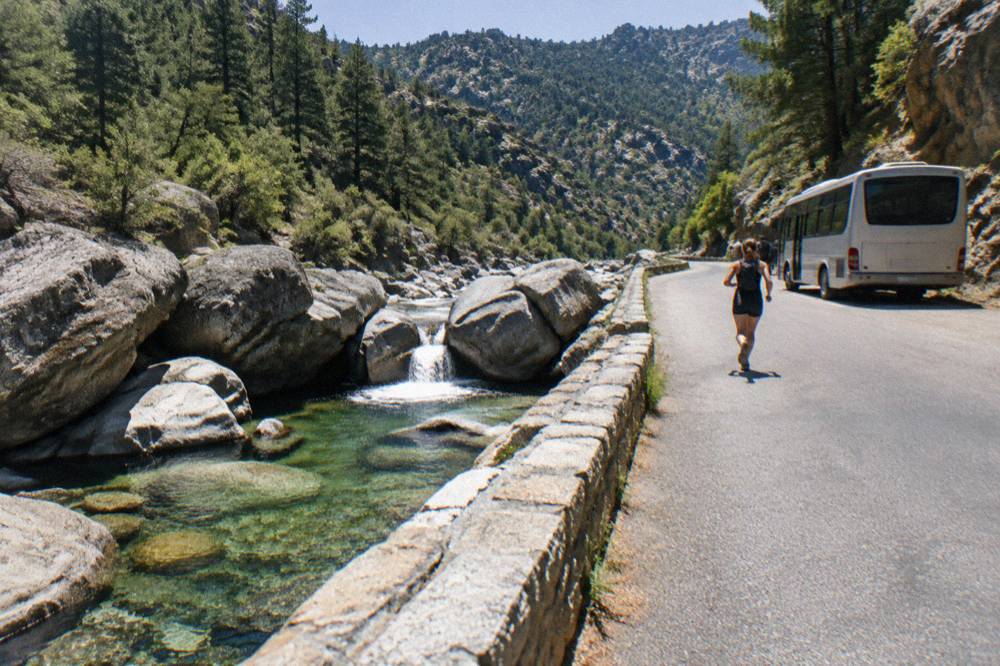
Drivers should treat the interior roads with respect. Narrow mountain roads are a noted characteristic of Corsica's terrain, and Inforoutes Corse monitors real-time conditions and col accessibility, including equipment requirements or restrictions for larger vehicles. Checking the live map before setting out is the standing advice, not just in winter. In high summer the road and its parking fill early in the day, so plan to arrive with time in hand.
If you would rather leave the mountain driving to someone else, guided 4x4 and day-trip products cover the interior and the north of the island from coastal bases.
What Can You Do In And Around The Restonica Valley In Corsica?
The core activities are walking and river time in the valley itself, plus the cultural stop in Corte at the citadel and the Musée de la Corse; the interior around Corte also anchors several of the island's long-distance trails, and the mountain country supports guided active days such as canyoning, 4x4 tours and electric mountain biking from bases in the region.
Walking is the reason the valley exists in most itineraries. The Parc naturel régional de Corse, created in 1972 and now 4,484 km2, covers much of this interior country, and its published trail data gives the long routes that cross the island's spine.
| Trail | Length | Days | Ascent | End point |
|---|---|---|---|---|
| GR20 (Fra li Monti) | 180 km | about 15 stages | not stated | Conca (north to south) |
| Mare e Monti Nord | 121 km | 10 days | 6,100 m | Cargèse |
| Mare a Mare Nord | 139 km (161 km with variant) | 8 to 12 days | 5,900 m | not stated |
| Mare a Mare Centre | 84 km | 6 to 7 days | 3,900 m | Porticcio or Tavera |
| Mare a Mare Sud | 73 km | 5 days | 3,200 m | Propriano |
| Mare e Monti Sud | 66 km | 5 days | 2,700 m | Propriano |
The GR20 deserves its own word even though it does not pass through the Restonica Valley: at 180 km north to south with about fifteen stages of 4 to 8.5 hours each, it is the island's famous high route, and Corte is a logical resupply point for sections of it. The 2026 season saw PNRC refuges guarded from 16 May to 4 October inclusive, and refuge nights must be booked online in advance.
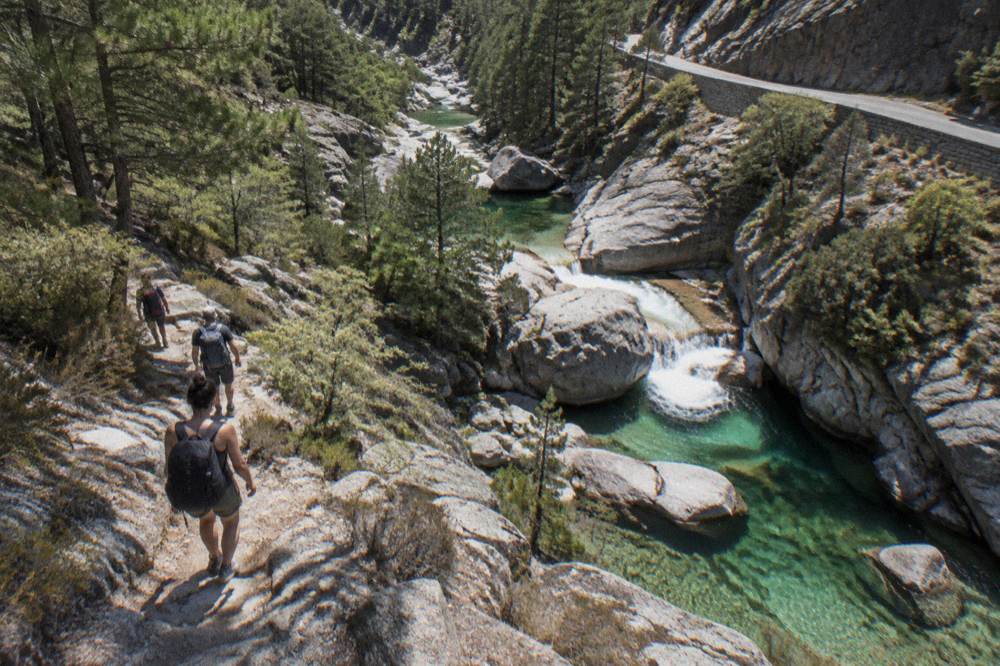
For a wet, active alternative in the same interior region, canyoning products run in the gorges within reach of the Ajaccio to Corte axis.
Corte's museum gives the valley day its cultural half. The current hours and prices are worth having in one place before you go.
| Musée de la Corse and Citadelle de Corte | Detail |
|---|---|
| High season | 1 May to 31 Oct, daily 10:00 to 19:00, closed 1 May |
| Low season | 1 Nov to 30 Apr, 10:00 to 17:00, closed Sundays, Mondays, holidays and 24 Dec |
| Annual closure | 31 Dec to 14 Jan |
| Full price | EUR 5.50 |
| Reduced | EUR 4 (no temporary show) |
| Over-65s and young people | EUR 3 |
| Ticket scope | one ticket covers museum and citadel |
Beyond Corte, the interior positions you for a string of the island's inland sights: the Aiguilles de Bavella to the southeast, the Gorges de Spelunca country near the Golfe de Porto, and the forests of Aïtone all sit in the same mountain band. The Aiguilles de Bavella page covers the southern end of that interior chain.
What Is The Weather Like In The Restonica Valley?
Corsica has a hot dry summer and a mild wet winter, with snow only on the high mountains, and the Restonica Valley, being an inland mountain valley, sits closer to that snow line than any coastal town; the Météo-France 1991-2020 station normals for Ajaccio show July averaging 8.6 mm of rain and August a mean daily high of 29.2 °C, while November carries 111.8 mm, the highest monthly figure on the Ajaccio table.
Station normals describe the coast, and the interior runs cooler and wetter at altitude, but the seasonal shape is the same across the island. The table below is the Ajaccio station record, a full normals set for the coast; treat it as the island's seasonal rhythm rather than a valley forecast, and check the Météo-France mountain forecasts before any high walk.
| Month | Mean high °C | Mean low °C | Rain mm | Sunshine h/day |
|---|---|---|---|---|
| Jan | 14.0 | 4.7 | 54.1 | 4.4 |
| Feb | 14.2 | 4.3 | 48.1 | 5.5 |
| Mar | 16.0 | 5.9 | 50.4 | 6.8 |
| Apr | 18.5 | 8.3 | 53.1 | 7.7 |
| May | 22.1 | 11.8 | 49.8 | 9.3 |
| Jun | 25.9 | 15.4 | 25.9 | 11.1 |
| Jul | 28.6 | 17.7 | 8.6 | 12.1 |
| Aug | 29.2 | 18.1 | 15.8 | 11.1 |
| Sep | 26.1 | 15.4 | 57.8 | 8.7 |
| Oct | 22.8 | 12.6 | 85.7 | 6.7 |
| Nov | 18.3 | 9.0 | 111.8 | 4.7 |
| Dec | 15.1 | 5.8 | 73.9 | 4.0 |
The Bastia station normals tell the same story on the east of the island: November carries 134.3 mm there and July 13.8 mm, with August showing a mean daily high of 29.8 C. Annual rainfall at Ajaccio totals 635.0 mm against 816.9 mm at Bastia in the same 1991-2020 period.
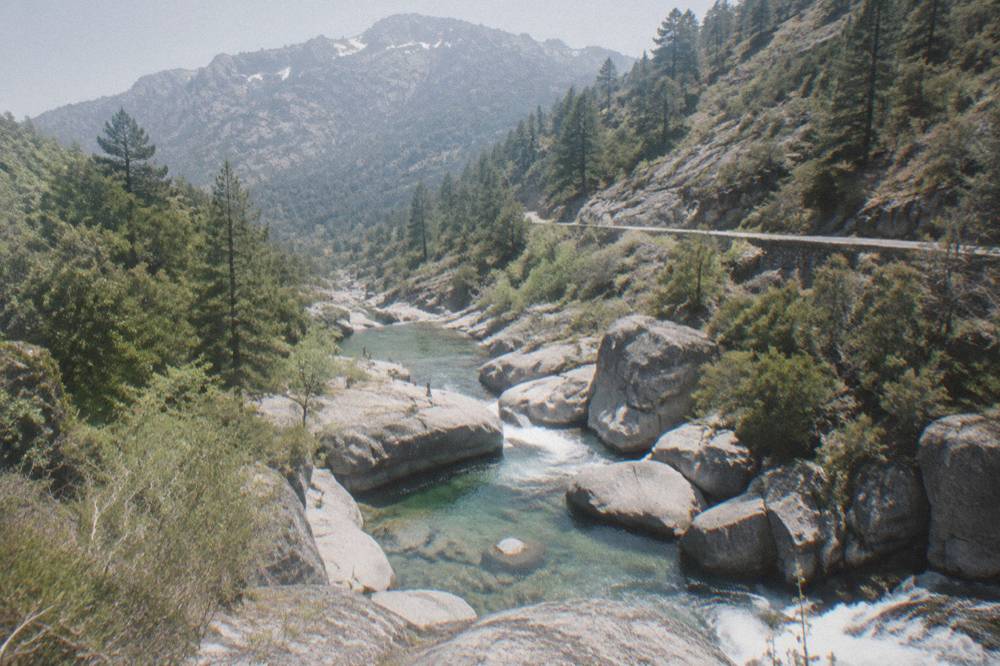
Two seasonal notes shape a valley visit more than the averages. First, the massif fire-risk rules from mid-June to mid-September can restrict access to some massifs on high-risk days. Second, winter snow sits on the high mountains, and Inforoutes Corse carries the live col accessibility levels that tell you which interior passes are open and under what conditions.
What Rules Apply To Hiking And Camping Near The Restonica Valley?
From 15 June to 30 September it is forbidden to light a fire or smoke in forests, scrub and massifs across Corsica, wild camping is banned island-wide including on the GR20, and on the GR20 itself no departures are allowed from Calenzana after 11:00 under a municipal order tied to fire risk; the fire-risk map is updated at 18:00 each day for the next day, and from mid-June to mid-September access to some massifs can be restricted or closed by prefectural order.
Those are the standing rules the PNRC publishes for the mountain country, and they apply to any interior walking in Corsica, not just the famous long trails. The practical reading for a Restonica day is simple: carry no flame of any kind in the summer months, check the daily risk map the evening before, and have a coastal fallback such as the Calanques de Piana or the Scandola Nature Reserve boat trips if the massifs close.
For overnight walkers, the PNRC's own 2026 tariff sheet sets the refuge costs on the GR20.
| GR20 refuge option (PNRC 2026) | Price per person |
|---|---|
| Bunk in refuge (bat-flanc) | EUR 20 |
| Bivouac pitch, own tent | EUR 12 |
| Rented tent, 1 person (pitch and tent) | EUR 27 |
| Rented tent, 2 persons (2 pitches and tent) | EUR 39 |
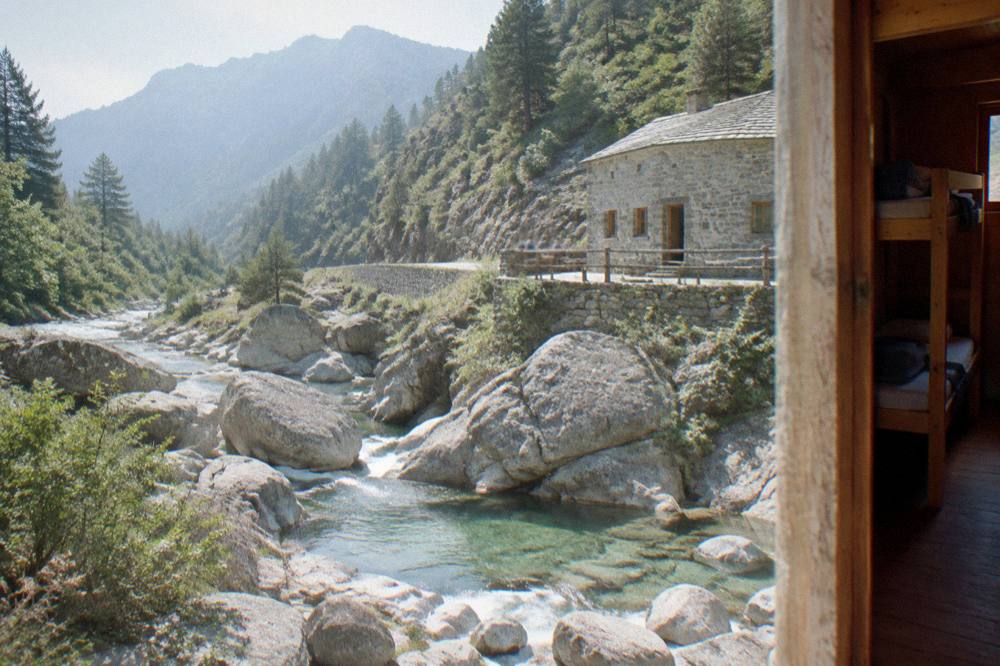
All refuge and bivouac nights must be reserved online through the PNRC platform, changes are possible up to 48 hours before a stage subject to availability, and dogs are not allowed inside refuges or rented tents. Rental tents sleep two and come with a 3 cm mat per person; bring your own sleeping bag. Meals at the refuges are paid on site to the guardian.
Is The Restonica Valley Worth Visiting On A First Trip To Corsica?
For a first trip that includes Corte, yes: the valley is the inland half of a Corte day, it pairs walking and river time with the citadel and museum in town, and Corte's central position means the detour costs little time from any base; travellers who want only beaches and boat trips can skip it, but the interior is the half of Corsica that the coast cannot stand in for, and Corte is its capital.
The site's own is the Restonica Valley worth visiting answer page treats the question in full, and the honest summary is that the valley's value depends on the shape of your trip. A week split between Bonifacio's citadel and cliffs and the Lavezzi Islands in the far south leaves Corte a long drive; a route up the island's spine, perhaps with the Filitosa prehistoric site or the Golfe de Porto on the way, makes it natural.
What Should You Know About Safety And Emergencies In The Corsican Interior?
The emergency numbers are 112 across the EU, 15 for medical SAMU, 17 for police, 18 for fire, 114 by SMS or app for deaf or speech-impaired callers, and 196 for sea rescue via VHF channel 16; for the mountains specifically, the PGHM mountain rescue unit at Ajaccio can be reached on 04 95 24 24 00, with 17 or 112 the numbers to call in a genuine emergency.
That set of numbers comes from French public-service information, and it belongs in the notes of anyone walking in the interior. Beyond the numbers, the standing risks in the interior are fire in summer, as covered above, and weather on the high ground: Météo-France publishes mountain forecasts and storm vigilance, and the standard advice for thunderstorms is to avoid summits and ridges and seek shelter. The UK FCDO notes a high risk of wildfires in France from April to October, and the US State Department lists France at Level 2, Exercise Increased Caution.
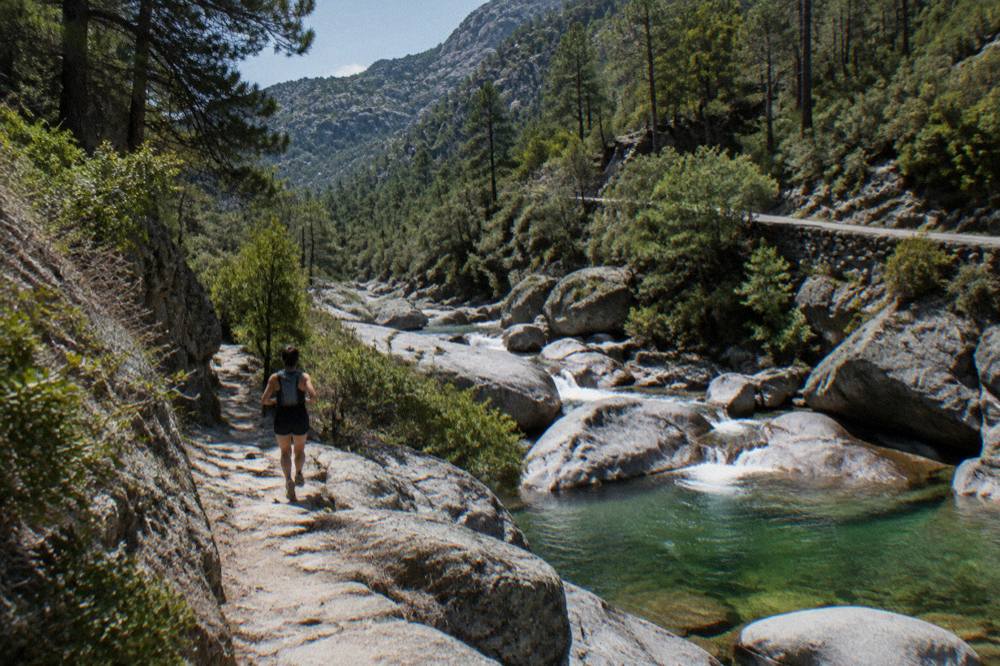
On the water side of the island, supervision runs in summer: Ajaccio operated seven lifeguard posts on its main beaches from 1 July to the end of August 2026, and Haute-Corse's supervised beaches are staffed by volunteer firefighters over roughly the same July and August window. The interior's rivers and pools are a different matter, with no supervised-bathing scheme, so treat any freshwater swimming as unsupervised and judge conditions yourself.
What Practical Facts Help Plan A Restonica Valley Day?
Corsica uses the euro, restaurant menus must state that service is included in the displayed price by law, and extra tipping is voluntary rather than expected; the island's timezone is Europe/Paris, UTC+1 and UTC+2 in summer, and the Collectivité de Corse, a single territorial authority with special status, has governed the island since 1 January 2018 in place of the former arrangements.
Those are the small facts that smooth a day inland. A few more help. The island counted 365,636 residents at 1 January 2026 in INSEE's provisional estimate, with Ajaccio at 76,320 and Bastia at 46,867 as their reference populations, and more than 8.5 million passengers passed through Corsica's ports and airports in 2025 excluding cruise passengers, which explains why the interior feels like a different island from the coast in August.
Language: the Collectivité de Corse runs Corsican-language programmes including immersion schools, though the island's administration operates in French. English is spoken in the tourism sector, and the site's language coverage treats the question in more depth elsewhere.
Common Questions About The Restonica Valley In Corsica
How Do I Get To The Restonica Valley?
The valley starts at Corte in central Corsica. Corte is 1 h by road from Bastia, 1 h 30 from Ajaccio and Calvi, 2 h from Porto-Vecchio and 2 h 45 from Bonifacio and Propriano. A seasonal shuttle, the navette C13, is reported to run between Corte and the valley in summer; confirm its dates and times locally before relying on it.
Can You Get To The Restonica Valley By Train?
Yes, as far as Corte. The Chemins de fer de la Corse run Ajaccio to Bastia via Corte, alongside the Ponte-Leccia to Calvi line and the Balagne coastal line from Calvi to L'Île-Rousse. From Corte station the onward trip up the valley is by the seasonal shuttle, taxi or on foot.
When Is The Best Time To Visit The Restonica Valley?
Corsica has a hot dry summer and a mild wet winter, with snow only on the high mountains. July averages 8.6 mm of rain at the Ajaccio station against 111.8 mm in November. From mid-June to mid-September, fire-risk rules can restrict access to some massifs, so check the daily risk map, published at 18:00 for the next day, before any summer walk.
Can You Camp In The Restonica Valley?
Wild camping is banned across Corsica, with bivouac tolerated only in the marked areas at PNRC refuges on the GR20, where a pitch costs EUR 12 per person in 2026 and a bunk EUR 20. For the Restonica Valley itself, use Corte as a base and its official accommodation options.
Is The Restonica Valley Suitable For A Day Trip From The Coast?
Yes. Corte is 1 h from Bastia and 1 h 30 from Ajaccio and Calvi by road, so a valley morning with an afternoon at the citadel and the Musée de la Corse, open daily 10:00 to 19:00 from 1 May to 31 October, works as a single day from most bases, with longer drives of 2 h to 2 h 45 from the far south.
What Should You Do In Bad Weather In The Interior?
Inforoutes Corse publishes live road conditions and pass accessibility, and Météo-France issues mountain forecasts and storm vigilance. On storm days avoid summits and ridges. Coastal alternatives include the museums and towns, with the Maison Bonaparte in Ajaccio open every day except Monday.
A day in the Restonica Valley is a day in the half of Corsica the postcards underplay: granite, river and trail above a town that was once the island's capital, an hour and a half's drive from the sea on either side.