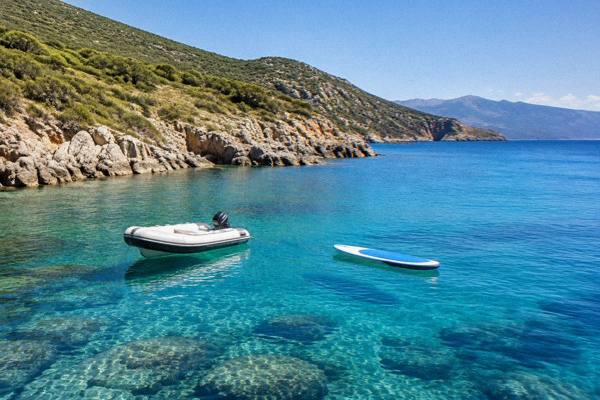
Erbalunga
Erbalunga sits on the Cap Corse peninsula in northern Corsica, close to Bastia and the island's busiest ferry port. This guide covers how to reach it, what to see on the peninsula, where to swim, and which day trips and boat tours work from the Bastia side of the island.
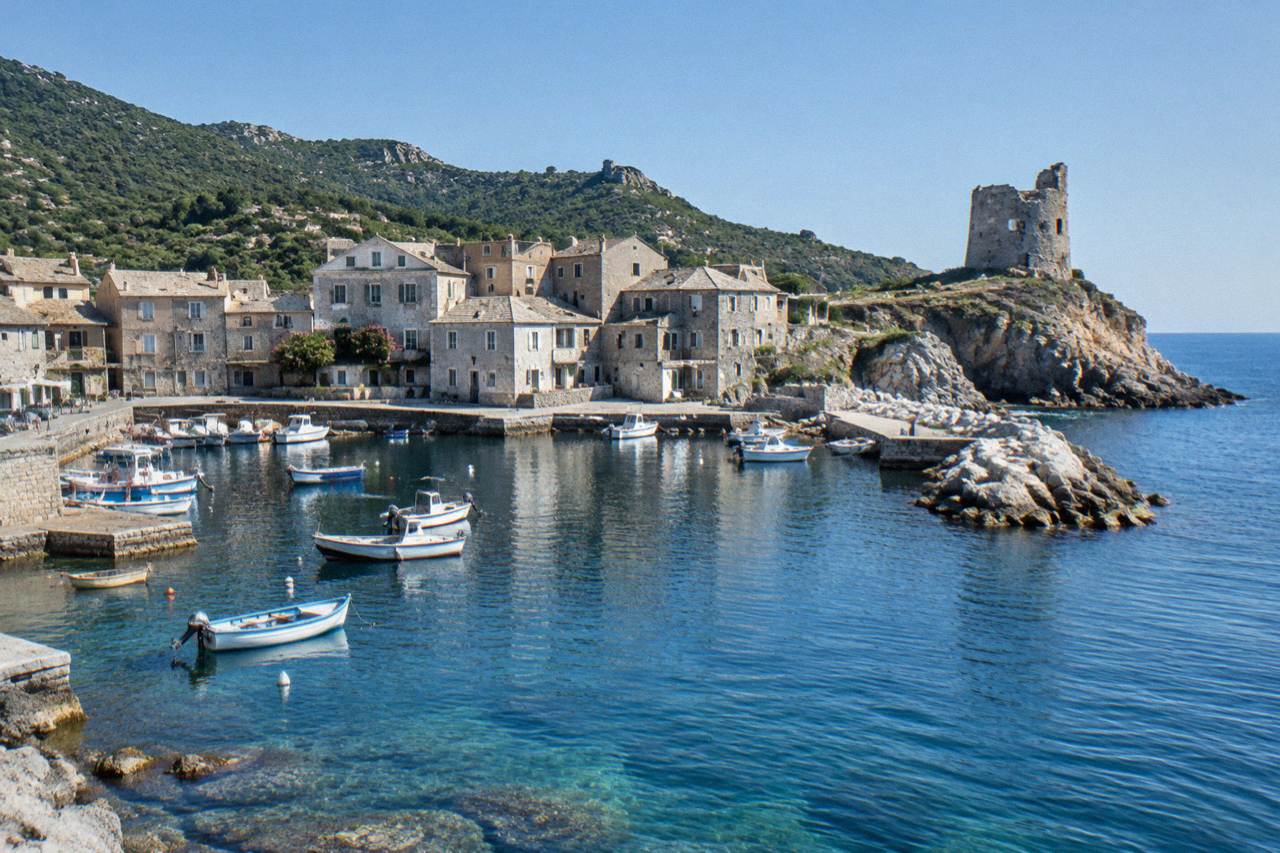
Erbalunga is a seaside village on the Cap Corse peninsula at the northern tip of Corsica, reached via Bastia, the island's second town with 46,867 residents and its main ferry port. Cap Corse runs north from Bastia towards the Genoese-tower coast, with the Patrimonio wine appellation at its base.
Erbalunga is a seaside village on the Cap Corse peninsula, the strip of land that forms the northern tip of Corsica, the French Mediterranean island with 8,722 km2 of mountainous territory and more than 1,000 km of coastline. The village belongs to the Bastia side of the island: Bastia, with 46,867 residents at the 2023 census, is the second town of Corsica after Ajaccio and the busiest ferry gateway in Haute-Corse. This page from the Corsica Travel Guide sets out what the published sources say about reaching Erbalunga, exploring Cap Corse, and building day trips from the village, including the boat tours and guided visits that can be booked ahead. More island-wide ideas sit on the things to do in Corsica overview.
Where Is Erbalunga In Corsica?
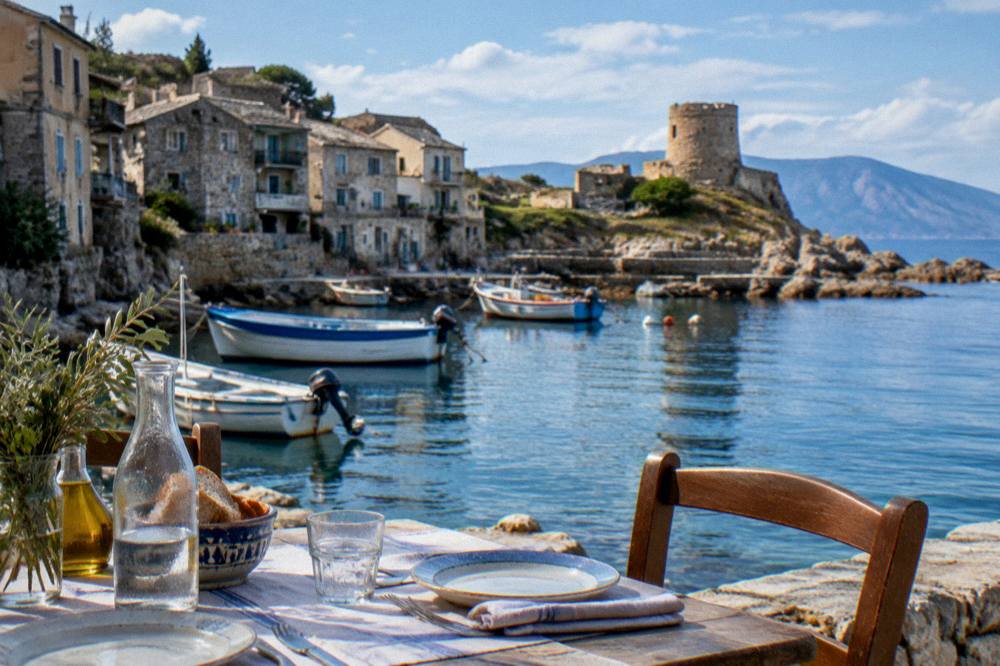
Erbalunga is a seaside village on the Cap Corse peninsula, the finger of land that runs north from Bastia and forms the northern tip of Corsica. The peninsula belongs to Haute-Corse, one of the island's two departments, and the nearest big town is Bastia, whose population stood at 46,867 at the 2023 census published in 2026 by INSEE.
Corsica itself covers 8,722 km2 and is the fourth-largest island in the Mediterranean, with a mountainous interior topped by Monte Cinto at 2,706 m. Cap Corse is the northern arm of that island, and the peninsula's base sits below the town of Bastia. The Patrimonio wine appellation, one of the named Corsican appellations, sits at the base of Cap Corse, according to visit-corsica.com pages, alongside the wider Vin de Corse appellation and its named crus such as Coteaux du Cap Corse.
For orientation, the island's four airports are Ajaccio Napoléon Bonaparte (AJA), Bastia Poretta (BIA), Figari Sud Corse (FSC) and Calvi Sainte-Catherine (CLY), and its ferry ports are Ajaccio, Bastia, Bonifacio, L'Île-Rousse, Propriano and Porto-Vecchio. Bastia is the port that serves Cap Corse directly, with sailings from Livorno, Savona, Genoa, Marseille, Toulon and Nice according to the operator route pages.
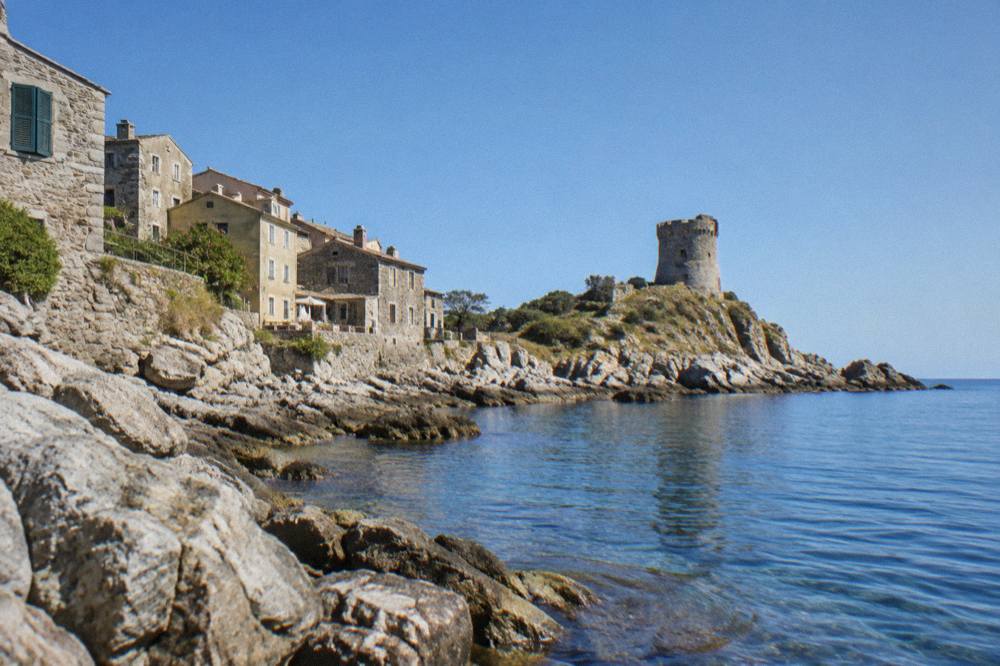
How Do You Get To Erbalunga From Bastia?
Arriving in Corsica for Erbalunga usually means the port or the airport at Bastia: Corsica Linea and La Méridionale sail Marseille to Bastia, Moby sails from Livorno, Genoa and Santa Teresa Gallura, and Corsica Ferries serves Bastia from Toulon, Nice, Livorno and Savona, per the operator route pages. Bastia Poretta airport (BIA) is the island's northern airport, one of four on Corsica.
Crossing-time ranges for the Bastia routes, reported by an aggregator rather than the operators themselves, give a sense of the journey. From Livorno the crossing runs about 4 to 5 hours, Savona to Bastia about 6.5 hours, Nice to Bastia about 7.5 to 10 hours, Toulon routes about 10 to 13 hours and Marseille crossings about 12 to 13 hours, frequently overnight. The short Santa Teresa Gallura to Bonifacio hop in the far south takes about 50 to 60 minutes. Treat all of these as ranges and confirm sailing times with the operator before booking, since schedules change by season and vessel.
| Mainland Or Island Port | Corsican Port | Crossing Range |
|---|---|---|
| Livorno | Bastia | About 4 to 5 hours |
| Savona | Bastia | About 6.5 hours |
| Nice | Bastia | About 7.5 to 10 hours |
| Toulon | Bastia | About 10 to 13 hours |
| Marseille | Bastia | About 12 to 13 hours, often overnight |
| Santa Teresa Gallura | Bonifacio | About 50 to 60 minutes |
Once ashore, the road north from Bastia into Cap Corse follows the peninsula's eastern shore. Inforoutes Corse publishes live road conditions and accessibility levels for the main mountain passes across the island, and it is the standing reference for checking any route before driving, including after storms. Narrow mountain roads are a characteristic of Corsican terrain generally, and the island's road network is monitored rather than motorway-standard in its rural parts. No specific road time between Bastia and Erbalunga is published, so plan the drive with a map and allow margin on the peninsula's smaller roads.
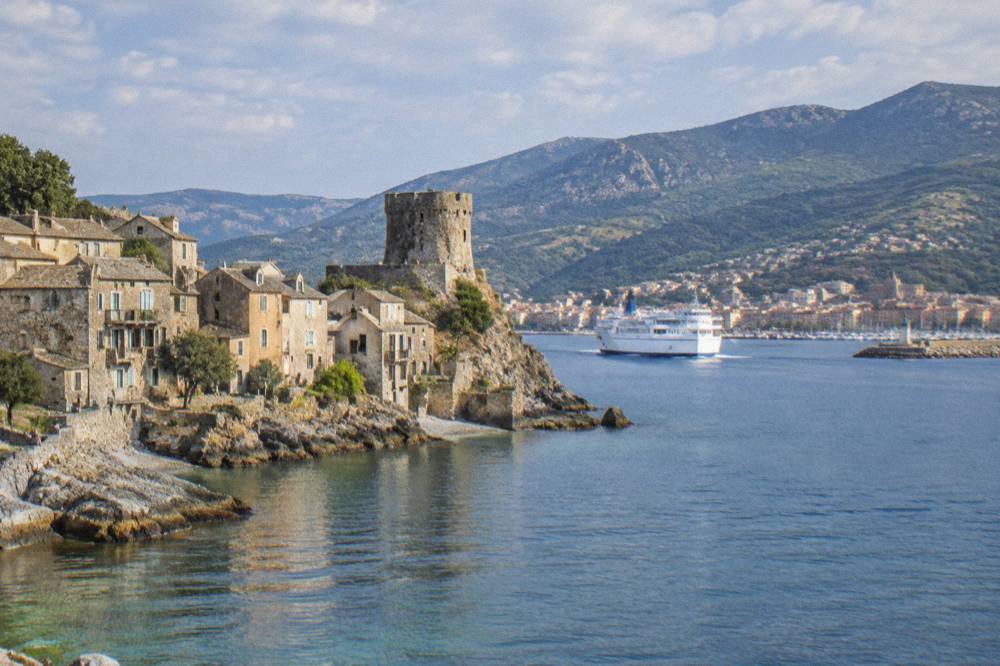
For travellers without a car, the Chemins de fer de la Corse run the Ajaccio to Bastia line via Corte, together with the Ponte-Leccia to Calvi line and the Balagne coastal stretch between Calvi and L'Île-Rousse, per the operator timetable pages. Those lines serve the interior and the west coast rather than Cap Corse itself, so the peninsula is a road destination from Bastia. Guided products also cover the area: a Cap Corse and Désert des Agriates half-day trip runs from Saint-Florent on the peninsula's western side, and a guided visit of Bastia's old town covers the port city itself.
What To See Around Erbalunga And Cap Corse?
The sights around Erbalunga are the sights of Cap Corse and Bastia: the peninsula's coastal villages and towers along the northern finger of Corsica, and in Bastia itself the old harbour and the Musée de Bastia in the Palais des Gouverneurs, reported open 10:00 to 18:30 in high season and 09:00 to 12:00 and 14:00 to 17:00 in low season, closed Sundays and Mondays.
The Musée de Bastia hours come from the museum's practical-information page and should be confirmed before a visit, since the pattern shifts by month. The old harbour, the Vieux Port, is the historic core of Bastia and has its own guide to the old port of Bastia on this site. Further afield on the island's west side, the Calanques de Piana and the Scandola Nature Reserve form part of the UNESCO property "Gulf of Porto: Calanche of Piana, Gulf of Girolata, Scandola Reserve", inscribed in 1983, though both sit several hours' drive from Cap Corse and belong to a different itinerary.
| Sight | Location | Hours Or Key Fact |
|---|---|---|
| Musée de Bastia, Palais des Gouverneurs | Bastia | High season 10:00 to 18:30; low season 09:00-12:00 and 14:00-17:00, closed Sun and Mon (reported, confirm before you go) |
| Patrimonio wine appellation | Base of Cap Corse | One of Corsica's named appellations, per visit-corsica.com |
| Désert des Agriates beaches, Saleccia and Lotu | South-west of Cap Corse, from Saint-Florent | Boat shuttle from Saint-Florent about April to October, weather permitting, by 4x4 track from Casta, or on foot |
| Vieux Port de Bastia | Bastia | Historic harbour quarter of Corsica's second town |
| Golfe de Porto UNESCO property | West Corsica | Inscribed 1983, 11,800 ha, dossier 258 |
Cap Corse also sits beside the Désert des Agriates on the Saint-Florent side. The Agriates beaches, Saleccia and Lotu, are reached by boat shuttle from Saint-Florent from about April to October, weather permitting, by 4x4 track from Casta, or on foot, according to visit-corsica.com, and this site carries dedicated pages on Saleccia beach and Lotu beach with the details. A half-day Cap Corse and Agriates guided trip runs from Saint-Florent for visitors who prefer not to drive the peninsula themselves.
Where Can You Swim And Walk Near Erbalunga?
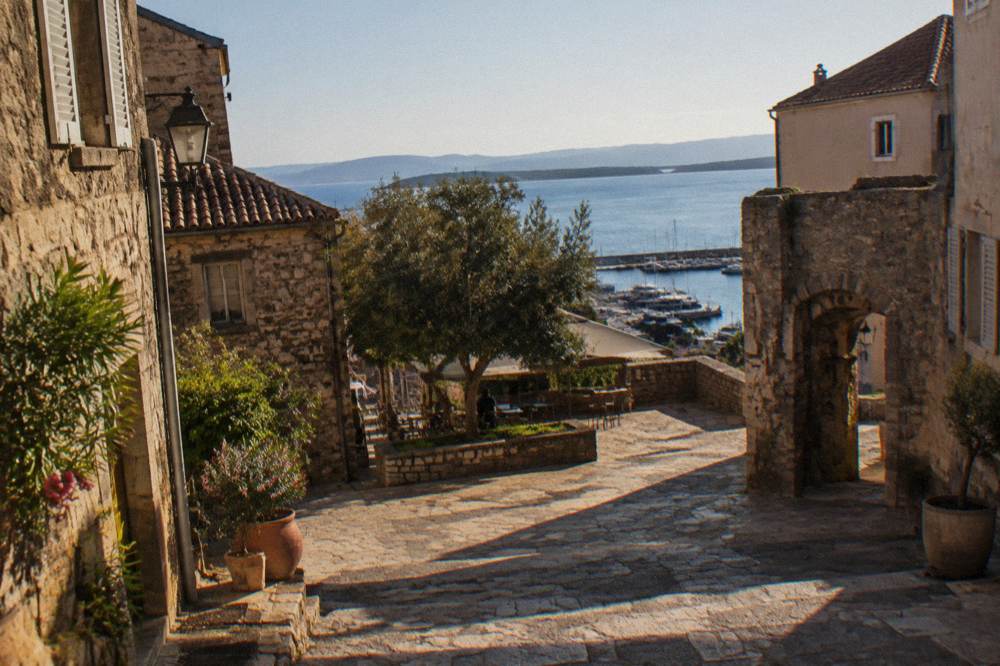
Swimming near Erbalunga means the sea of Cap Corse, the water that surrounds Corsica on every side, with lifeguard supervision on Haute-Corse's beaches staffed by volunteer firefighters from about 1 July to 31 August, per local reporting. The best-known named beaches of the region, however, sit south and west of the peninsula: Saleccia and Lotu in the Agriates, reached from Saint-Florent, and Plage de Ostriconi on the coast below the desert.
The Agriates access rules matter here. According to visit-corsica.com, the beaches of Saleccia and Lotu are reached by boat shuttle from Saint-Florent, running about April to October and weather permitting, by 4x4 track from Casta, or on foot, so a swim on the western side of Cap Corse can itself be a small expedition. This site's page on Plage de Ostriconi covers that beach in detail. On swimming safety, the general island pattern applies: supervised zones use red and yellow flags, and Ajaccio operated seven lifeguard posts from 1 July to the end of August 2026 on its main beaches, while Haute-Corse's supervised beaches are covered by volunteer firefighters over roughly the same period. At sea, the emergency number is 196, reached by VHF channel 16.
For walking, Cap Corse's trails belong to the wider Corsican network. The island's long-distance paths are the GR20, 180 km north to south with about fifteen stages of 4 to 8.5 hours according to the Corsican Assembly's own text, and the Mare a Mare and Mare e Monti routes, whose lengths are published by the Parc naturel régional de Corse. None of those routes crosses Cap Corse, but the fire-safety rules that govern them apply island-wide: from 15 June to 30 September it is forbidden to light a fire or smoke in forests, maquis and massifs, and the fire-risk map is updated at 18:00 for the next day, with some massifs closed entirely on the highest-risk days. More of these guides are collected on Corsica Travel Guide.
| Long-Distance Trail | Length | Stages Or Days | Total Climb |
|---|---|---|---|
| GR20 (Fra li Monti) | 180 km | About 15 stages, 4 to 8.5 h each | Not published in the sources |
| Mare e Monti Nord | 121 km | 10 days | 6,100 m |
| Mare a Mare Nord | 139 km (161 km with variant) | 8 to 12 days | 5,900 m |
| Mare a Mare Centre | 84 km | 6 to 7 days | 3,900 m |
| Mare a Mare Sud | 73 km | 5 days | 3,200 m |
| Mare e Monti Sud | 66 km | 5 days | 2,700 m |
Where Else Can You Go From Erbalunga And Bastia?
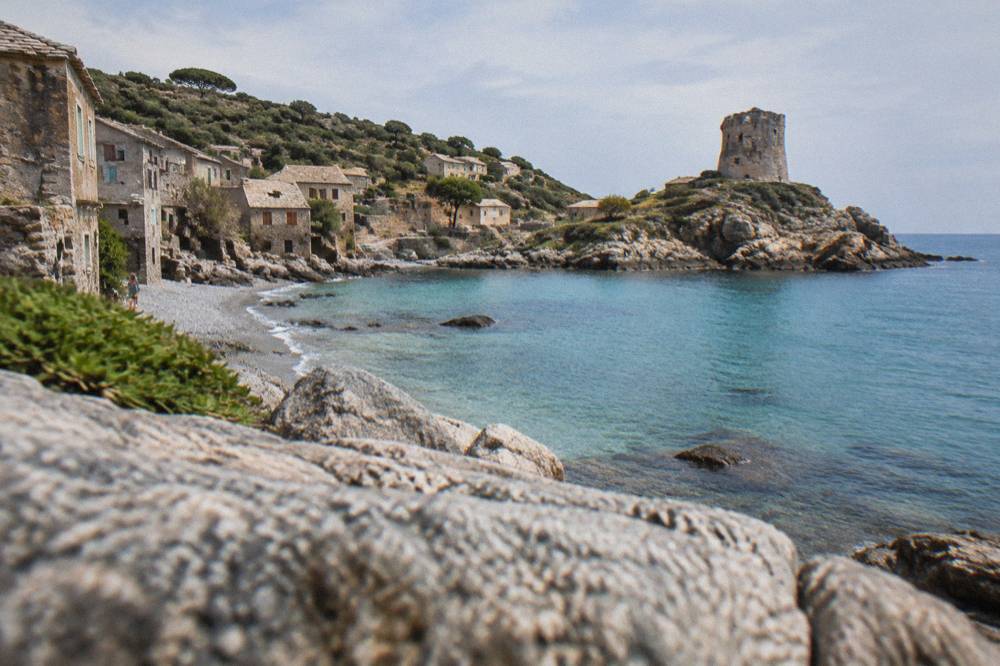
Day trips from the Erbalunga side of Corsica reach the whole northern half of the island: Corte, the old capital inland, sits about one hour's drive from Bastia per the Musée de la Corse practical page, while the Balagne coast, Calvi and L'Île-Rousse sit on the island's north-west shore and the Lavezzi Islands and Bonifacio belong to the far south and need a longer stay.
Corte makes the most reachable inland target. The road times published by the Musée de la Corse are: from Bastia 1 hour, from Ajaccio 1 h 30, from Calvi 1 h 30, from Porto-Vecchio 2 hours, from Bonifacio 2 h 45 and from Propriano 2 h 45. In Corte, the Musée de la Corse and the citadel share one ticket, EUR 5.50 full price, with the museum open 1 May to 31 October daily 10:00 to 19:00 and 1 November to 30 April 10:00 to 17:00 except Sundays, Mondays and holidays, closed 31 December to 14 January. This site's Citadelle de Corte page covers the visit.
| Destination | Road Time From Bastia |
|---|---|
| Corte | 1 hour |
| Ajaccio to Corte (for comparison) | 1 h 30 |
| Calvi to Corte (for comparison) | 1 h 30 |
| Porto-Vecchio to Corte (for comparison) | 2 hours |
The Balagne, on the north-west coast, pairs Calvi and L'Île-Rousse with the Citadelle de Calvi. One of the most-booked experiences on that coast is a sunset cruise from Calvi to the Revellata peninsula, a two-and-a-half-hour evening trip described on its tour page on this site; the boat leaves Calvi, on the other side of the island from Erbalunga, so it fits a Balagne day or an overnight stay rather than an evening run back over the mountains. Check availability if an evening on the water fits the plan.
When Is The Best Time To Visit Erbalunga?
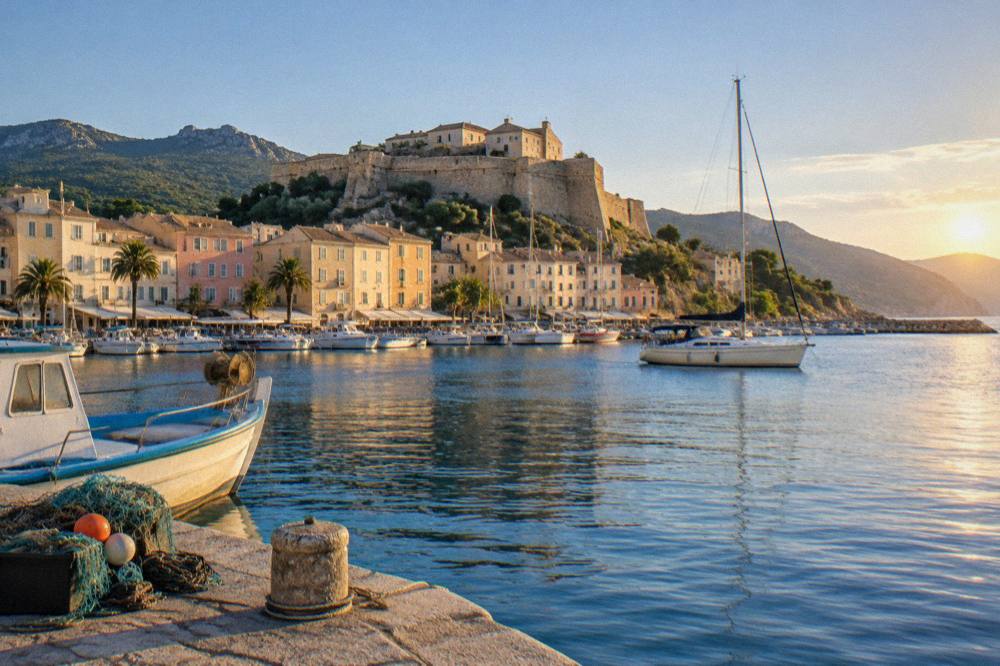
No month is officially the best time to visit Erbalunga, and no published source names one, but the Météo-France climate normals for the Bastia station, 1991 to 2020, show the pattern that shapes the choice: a hot dry summer with July averaging 13.8 mm of rain and August a mean daily high of 29.8 °C, and a mild wet winter with November carrying 134.3 mm of rain at Bastia, the highest monthly total on the table.
Corsica's climate is a hot dry summer, a mild wet winter and snow only on the high mountains. The Bastia figures, as station normals rather than forecasts, give the fullest picture for the Cap Corse side of the island. July averages a mean daily high of 29.4 °C and 13.8 mm of rain; August 29.8 °C and 21.1 mm; September cools to 26.0 °C with 74.5 mm of rain; and October carries 126.5 mm. Winter months sit in the low teens for mean daily highs, with February showing the lowest mean daily low at 5.1 C.
| Month | Mean High °C | Mean Low °C | Rain Mm | Sunshine H/Day |
|---|---|---|---|---|
| Jan | 13.8 | 5.4 | 67.3 | 4.5 |
| Feb | 13.9 | 5.1 | 63.5 | 5.5 |
| Mar | 15.8 | 6.8 | 63.7 | 6.3 |
| Apr | 18.3 | 9.1 | 71.6 | 7.3 |
| May | 22.4 | 12.6 | 53.7 | 8.7 |
| Jun | 26.4 | 16.5 | 38.8 | 10.2 |
| Jul | 29.4 | 19.4 | 13.8 | 11.2 |
| Aug | 29.8 | 19.8 | 21.1 | 10.1 |
| Sep | 26.0 | 16.7 | 74.5 | 7.9 |
| Oct | 22.0 | 13.4 | 126.5 | 5.9 |
| Nov | 17.7 | 9.5 | 134.3 | 4.5 |
| Dec | 14.8 | 6.4 | 88.1 | 4.5 |
Two seasonal rules matter beyond the rainfall table. First, the UK Foreign, Commonwealth and Development Office notes a high wildfire risk in France from April to October, and the standing Corsican rule forbids fires and smoking in forests, maquis and massifs from 15 June to 30 September, with massif access restricted on the highest-risk days. Second, the US State Department lists France at Level 2, Exercise Increased Caution, a nationwide advisory that includes Corsica. Emergency numbers across the island are 112 for the EU-wide service, 15 for medical, 17 for police, 18 for fire, 114 by SMS or app, and 196 for sea rescue; mountain rescue in Ajaccio answers on 04 95 24 24 00.
What Should You Know Before Visiting Erbalunga?
Practical facts for Erbalunga are the practical facts of northern Corsica: the currency is the euro, restaurant menus must state that service is included under French rules on the "prix service compris", tipping beyond that is optional, and no site fee, parking tariff or shuttle fare applies to Erbalunga or Cap Corse, so plan spending around food, ferries and booked tours rather than village entry costs.
For money matters, the DGCCRF, the French consumer authority, requires restaurants and bars to display prices with service included, and any extra tip is voluntary rather than a fixed percentage. For safety on the water, beach flags mark supervised swimming zones and the sea rescue number is 196. For driving, Inforoutes Corse is the standing live source for road conditions, including the accessibility levels of the main passes, and the island's roads are narrow in their rural stretches.
The turtle park, reached in the interior near Vero, sells skip-the-line admission and makes a family-friendly stop on a crossing of the island rather than a day trip from Cap Corse itself.
Common Questions About Erbalunga
Where Is Erbalunga?
Erbalunga is a seaside village on the Cap Corse peninsula, the northern tip of Corsica, in the Haute-Corse department. The nearest large town is Bastia, Corsica's second town with 46,867 residents at the 2023 census, and the island's main ferry gateway for the north.
How Do You Get To Erbalunga?
Arrive through Bastia, by ferry from Livorno, Savona, Genoa, Marseille, Toulon or Nice, or by air into Bastia Poretta airport (BIA), then drive north up the Cap Corse peninsula. Check road conditions on Inforoutes Corse, which publishes live status for the island's roads and passes.
Is There An Entry Fee For Erbalunga?
No fee for the village appears in the available information. Nearby paid sights include the Musée de la Corse in Corte at EUR 5.50 full price, and the Musée de Bastia, whose published hours should be confirmed before a visit.
Can You Swim Near Erbalunga?
Yes. Corsica is a sea-surrounded island and Cap Corse is a peninsula, so swimming is part of any stay. The named beaches of the region, Saleccia and Lotu in the Désert des Agriates, are reached by boat shuttle from Saint-Florent about April to October, by 4x4 track from Casta, or on foot, per visit-corsica.com.
What Is The Weather Like In Erbalunga?
The Météo-France climate normals for the Bastia station, 1991 to 2020, show a hot dry summer and a mild wet winter: July averages 13.8 mm of rain with a mean daily high of 29.4 °C, while November carries 134.3 mm of rain. Snow falls only on the high mountains of the interior.
What Can You Visit On A Day Trip From Erbalunga?
Corte, the old capital in the interior, is one hour by road from Bastia per the Musée de la Corse page, and its citadel and museum share a single ticket. The Balagne coast with Calvi, L'Île-Rousse and the sunset cruises to the Revellata peninsula makes a fuller day or an overnight on the island's other shore.