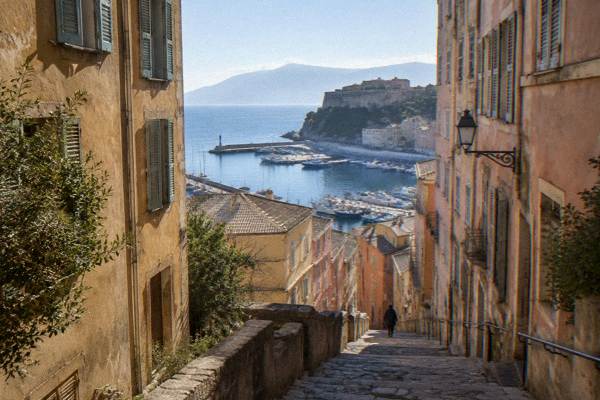
Bastia Old Port
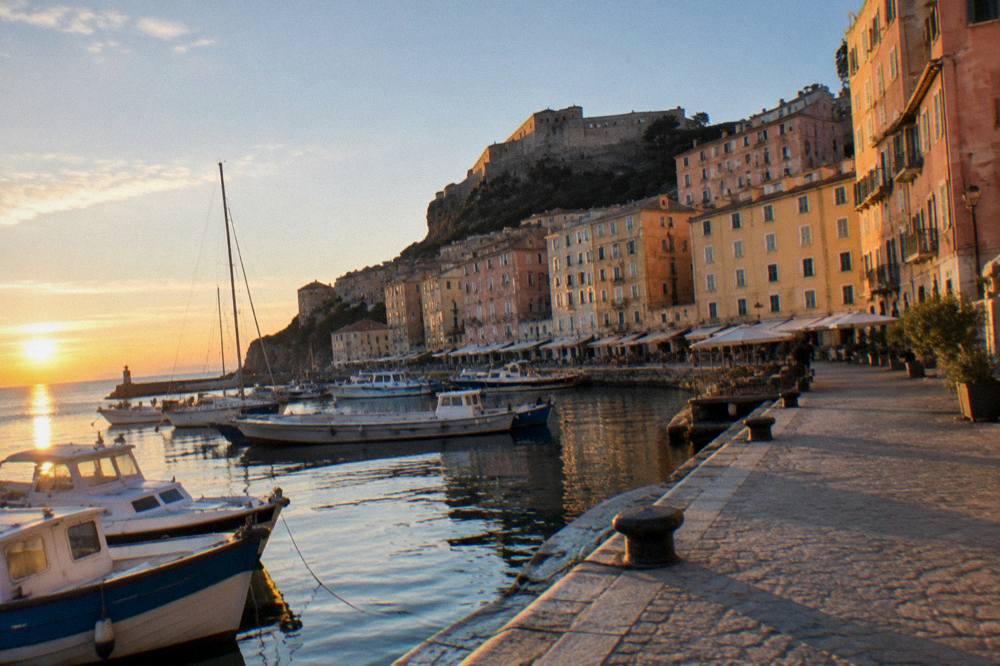
The old port of Bastia is the historic harbour quarter of Corsica's second town, a base for ferries, sea trips into Cap Corse and the Agriates, and a short walk from the town's museum and citadel.
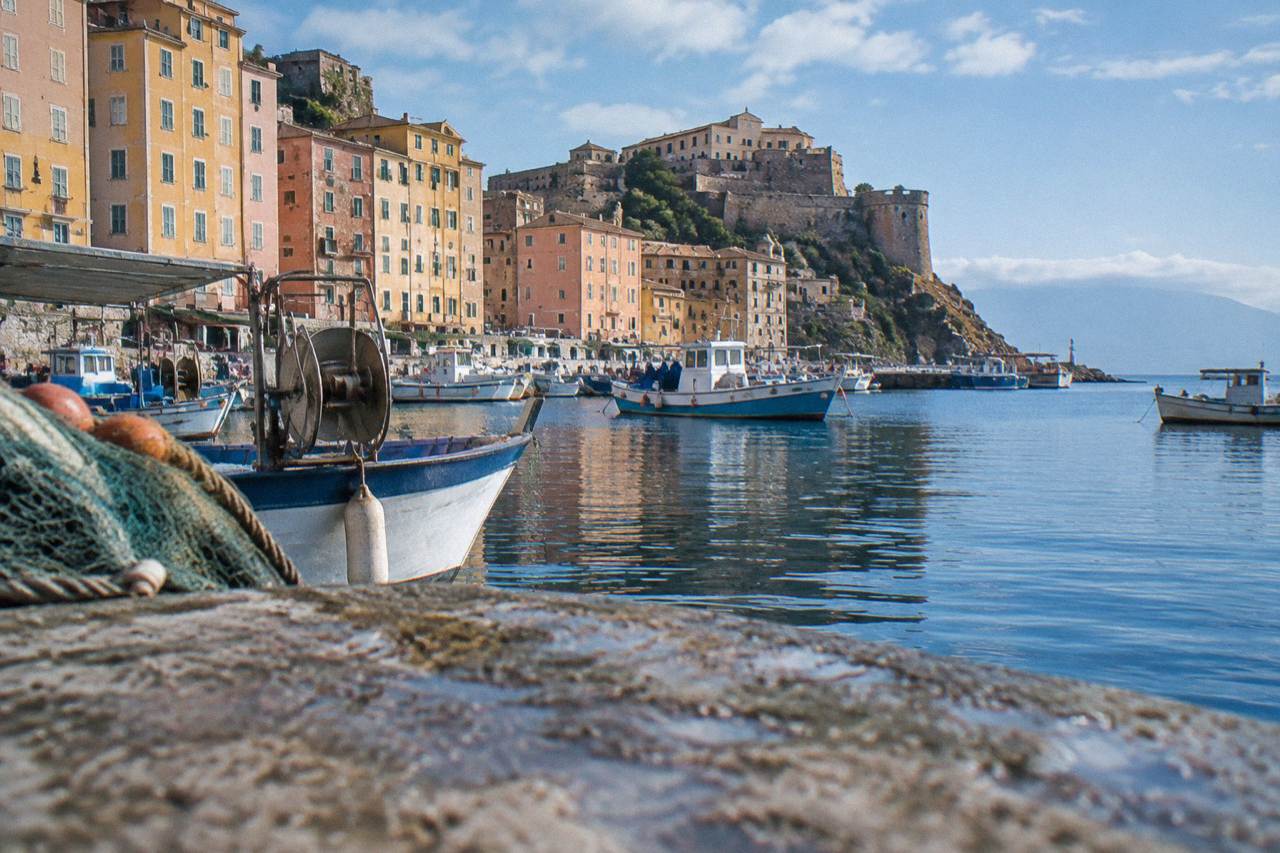
The Bastia Old Port is the historic harbour of Bastia, the second town of Corsica with 46,867 residents, and it works both as a sight in its own right and as a departure point for ferries from Italy and southern France and for boat trips along the Cap Corse and Agriates coast.
The old port of Bastia sits on the north-east coast of Corsica, the French Mediterranean island of 8,722 km2 with more than 1,000 km of coastline and a mountainous interior that rises to Monte Cinto at 2,706 m. Bastia is the island's second town after the capital Ajaccio, with a population of 46,867 recorded in the 2023 census published by INSEE in August 2026, and its harbour quarter is where the town meets the sea. This page covers what the old port area holds, the museum on its doorstep, the ferries and boat trips that use the harbour, the climate figures for the town, and the day trips that start within easy reach, all drawn from the official and primary sources this site reports on.
What Is The Bastia Old Port In Corsica?
The Bastia Old Port is the historic harbour quarter of Bastia, Corsica's second town, sitting on the island's north-east coast and facing the sea route toward Italy, about 4 to 5 hours by ferry from Livorno as reported by route aggregators. The town holds 46,867 residents in Haute-Corse, and the old harbour remains a working part of a port town through which more than 8.5 million passengers passed across the island's ports and airports in 2025.
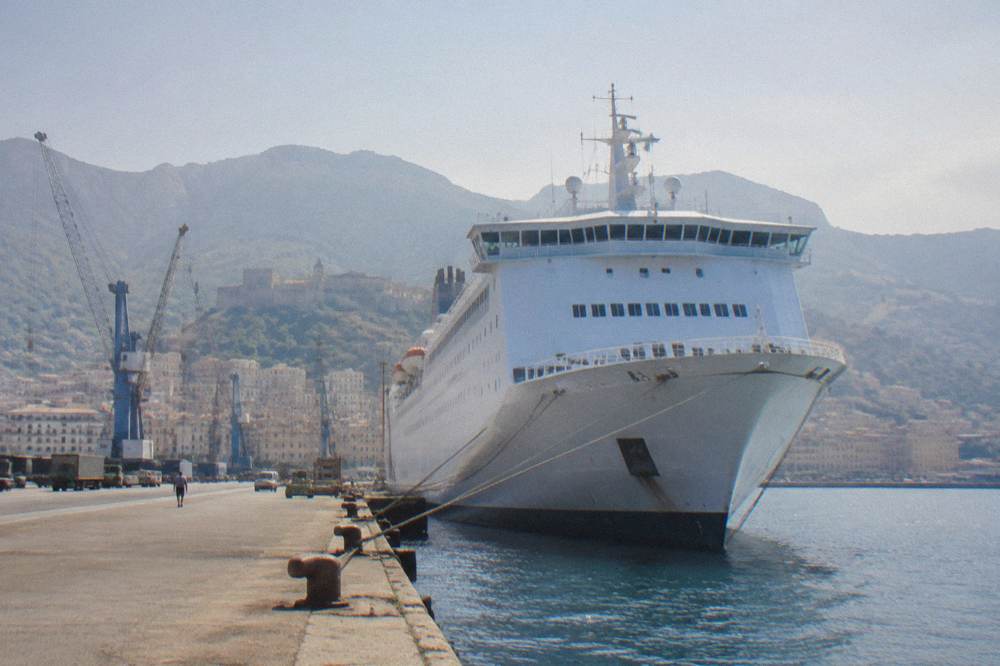
Bastia's identity is bound to the sea. The town is one of Corsica's principal ferry ports, alongside Ajaccio, Bonifacio, L'Île-Rousse, Propriano and Porto-Vecchio, and sailings arrive from Marseille, Toulon, Nice, Livorno, Savona and Genoa. The old harbour is the part of town where that maritime function is most visible, with the town rising behind it toward the citadel quarter. For the wider picture of the town and its districts, see the Bastia area guide, and for the question many readers ask first, the site's Is Bastia Worth Visiting? page sets out the case in full.
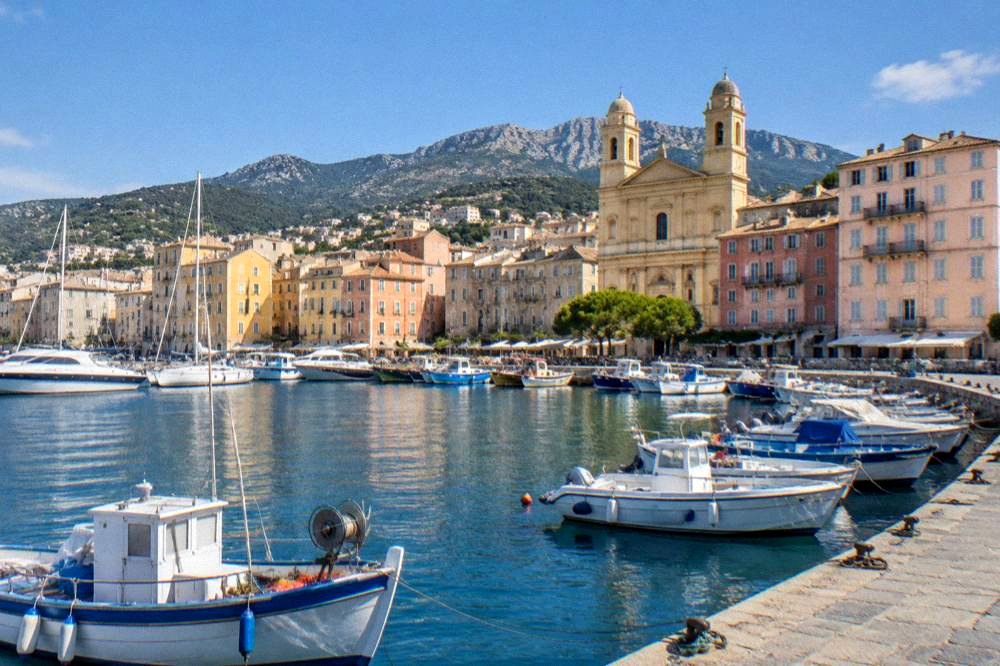
Corsica itself is the fourth-largest island in the Mediterranean, and Bastia sits at the foot of the Cap Corse, the narrow peninsula that forms the island's northern tip. The interior is mountainous, the coast runs to well over 1,000 km, and the island's 360 communes are administered under the Collectivité de Corse, a single territorial authority with special status in place since 1 January 2018. A harbour town on the north-east shore, Bastia looks east toward Italy and north toward Cap Corse, and both directions shape what a visit can include.
What Can You See Around The Bastia Old Port?
Around the Bastia Old Port the main sight with confirmed opening details is the Museum of Bastia in the Palais des Gouverneurs, reported open 10:00 to 18:30 in high season and 09:00 to 12:00 and 14:00 to 17:00 in low season, closed Sundays and Mondays.
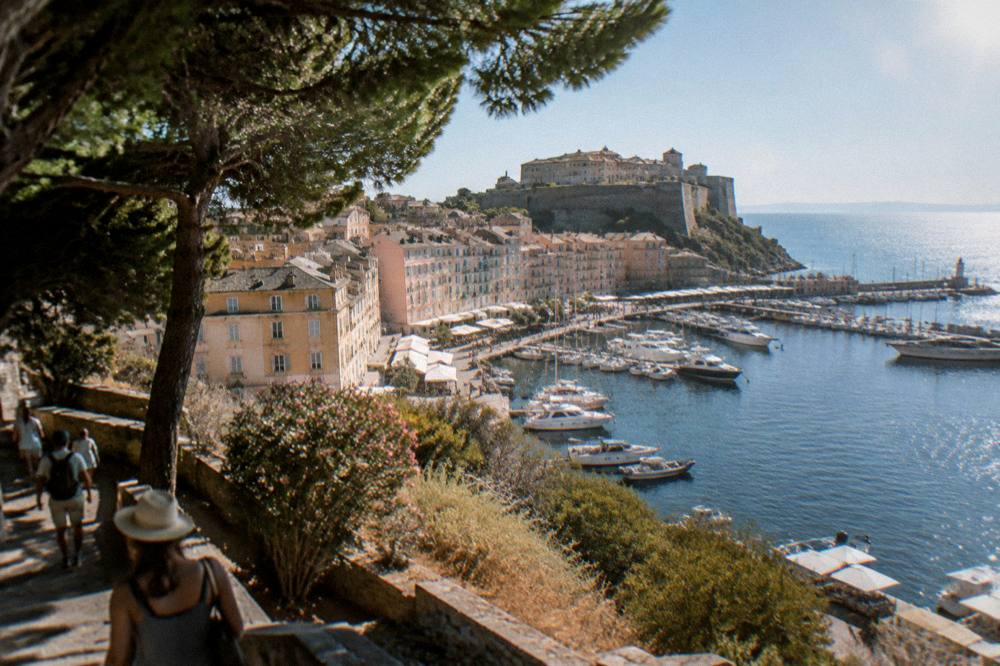
The citadel quarter rises immediately above the harbour and is covered on this site's Citadelle de Bastia page. The Museum of Bastia occupies the Palais des Gouverneurs in that quarter. Its reported hours split into two seasons: a high-season opening of 10:00 to 18:30 and a low-season pattern of 09:00 to 12:00 and 14:00 to 17:00, with closures on Sundays and Mondays in the low period. These hours are reported on a fetched page, so confirm before you go. The two visits combine naturally in a single walk up from the harbour.
| Museum of Bastia, Palais des Gouverneurs | Opening pattern |
|---|---|
| High season | 10:00 to 18:30 |
| Low season | 09:00 to 12:00 and 14:00 to 17:00 |
| Closed | Sundays and Mondays in low season |
Around the harbour itself, the town's street pattern climbs from the quay toward the citadel, and the Corsica Travel Guide covers the other quarters of Bastia in its area pages. Within Corsica as a whole, the old port of Bastia is one of several harbour quarters worth comparing: Porto-Vecchio Old Town in the south-east offers a similar mix of historic streets and a marina, and the island's fuller sight list sits on the things to do in Corsica page, from Filitosa in the south to the Restonica Valley in the centre.
How Do You Get To The Bastia Old Port?
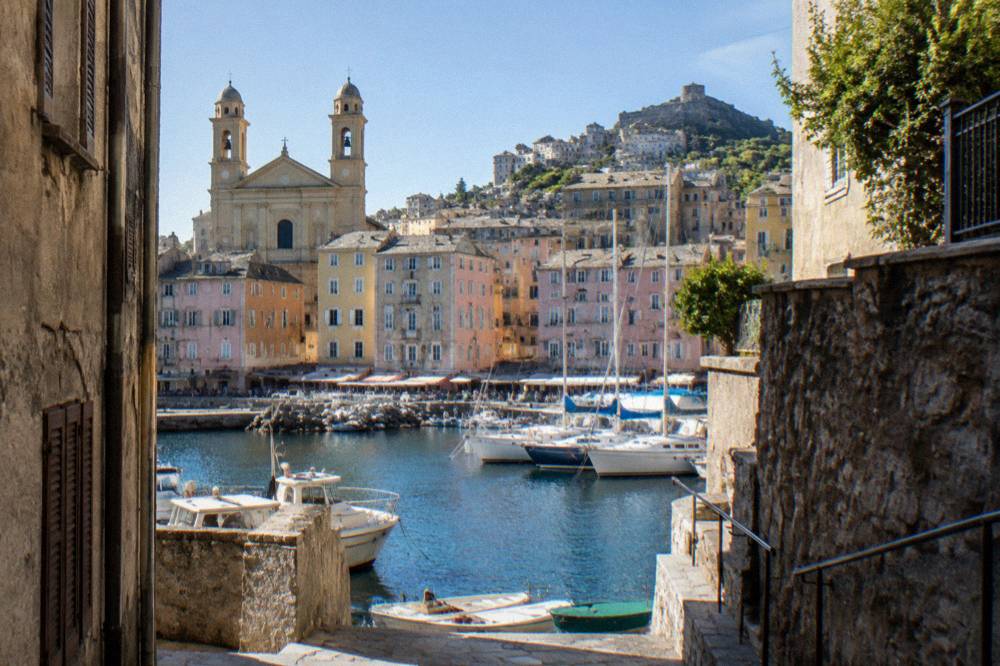
Bastia is reached by ferry from Livorno, Savona, Genoa, Marseille, Toulon and Nice, with reported crossings of about 4 to 5 hours from Livorno, about 6.5 hours from Savona and about 7.5 to 10 hours from Nice, and by air through Bastia Poretta airport, one of Corsica's four airports alongside Ajaccio, Figari Sud Corse and Calvi Sainte-Catherine. The old port sits in the town centre, within easy reach of the airport connection.
The airport connection is covered on the site's Bastia airport guide. The ferry operators serving Bastia are Corsica Linea from Marseille, Corsica Ferries from Toulon, Nice, Livorno and Savona, and Moby from Livorno, Genoa and Santa Teresa Gallura, though the Santa Teresa route serves Bonifacio rather than Bastia. Crossing times below are reported ranges from route aggregators, not operator guarantees, and exact times depend on the sailing and vessel.
| Mainland port | Operator (route) | Crossing time to Bastia |
|---|---|---|
| Livorno | Corsica Ferries, Moby | about 4 to 5 hours |
| Savona | Corsica Ferries | about 6.5 hours |
| Nice | Corsica Ferries | about 7.5 to 10 hours |
| Toulon | Corsica Ferries | about 10 to 13 hours |
| Marseille | Corsica Linea | about 12 to 13 hours, mostly overnight |
Bastia is also a rail town. The Chemins de fer de la Corse network runs an Ajaccio to Bastia line via Corte and a Ponte-Leccia to Calvi branch, plus the Balagne coastal line between Calvi and L'Île-Rousse, and this site's tour-of-the-Corsican-train coverage goes into the network in detail. No train journey times are stated in the available sources, so none are given. Fares are likewise absent and are left unsaid.
For travellers arriving by air, the Bastia airport guide covers Bastia Poretta and its operators. More broadly, whether a car is needed is a separate question with its own answer on this site, and the pattern that matters here is simple: the old port, the citadel and the museum are all reachable on foot within the town, while Cap Corse, the Agriates and the interior reward wheels or an organised day trip.
What Boat Trips Leave From The Bastia Old Port?
The signature sea trip from the old harbour is Le Grand Tour, a boat excursion departing from Bastia's old harbor along the Cap Corse and Agriates coast, one of several Corsican sea trips this site lists, alongside cruises from Calvi, L'Île-Rousse and Saint-Florent into the same northern waters. Prices, ratings and durations for the trip render on its own listing rather than in prose, and departures depend on sea conditions, so checking availability before travel is the practical step.
The trip can be booked through Check availability, and the same excursion has a dedicated page in this site's tour section for readers who want the full run of what it covers.
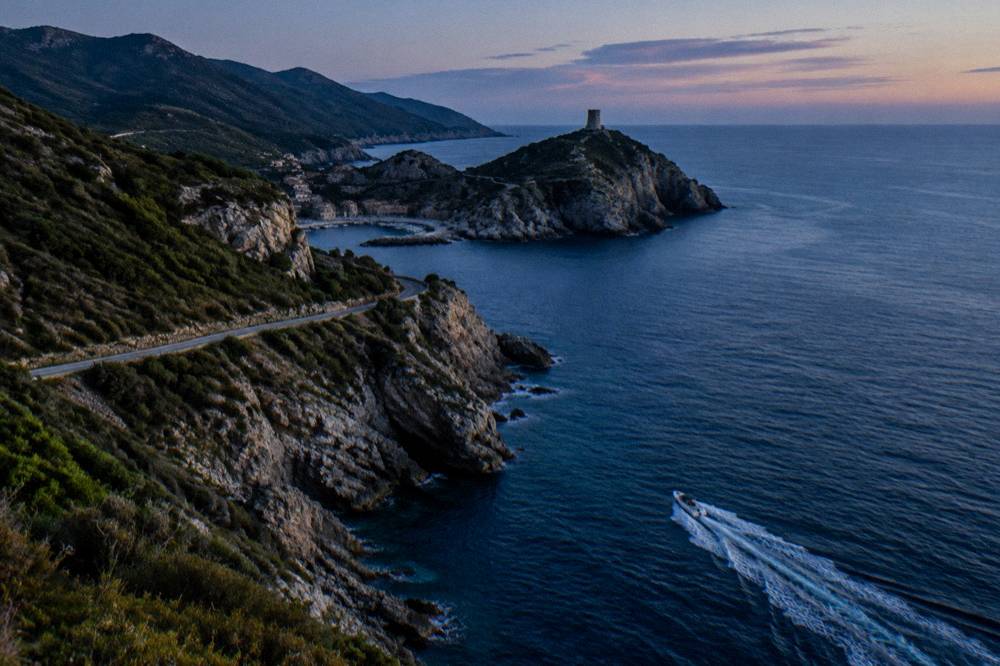
The northern coast gives sea trips their material. The Désert des Agriates beaches of Saleccia and Lotu are reached by boat shuttle from Saint-Florent, about April to October and weather permitting, by 4x4 track from Casta, or on foot, as reported by visit-corsica.com. Cap Corse villages such as Centuri, covered in this site's Centuri guide, sit on the peninsula's west and north shores. Further afield, the west-coast classics, the Calanques de Piana, Scandola Nature Reserve and Girolata, are a long way from Bastia and are served by their own cruise ports, which is why a northern sea trip from the old harbour makes sense for a Bastia-based visit.
What Is The Weather Like At The Bastia Old Port?
Bastia has a hot dry summer and a mild wet winter, per the Météo-France station normals for 1991-2020, with an August average daily high of about 29.8 °C, a July rainfall figure of 13.8 mm and November's 134.3 mm the highest monthly total on the Bastia table.
February shows the lowest mean daily low on the same station table, at about 5.1 C. The table below is the full Bastia station table, Météo-France station data for the 1991-2020 period. Figures are station means and averages, and the coastal position of the old port means summer figures like these shape the harbour's season: July and August combine high daily temperatures with low rainfall, while October and November carry the most rain.
| Month | Avg high °C | Avg low °C | Rain mm | Sunshine h/day |
|---|---|---|---|---|
| Jan | 13.8 | 5.4 | 67.3 | 4.5 |
| Feb | 13.9 | 5.1 | 63.5 | 5.5 |
| Mar | 15.8 | 6.8 | 63.7 | 6.3 |
| Apr | 18.3 | 9.1 | 71.6 | 7.3 |
| May | 22.4 | 12.6 | 53.7 | 8.7 |
| Jun | 26.4 | 16.5 | 38.8 | 10.2 |
| Jul | 29.4 | 19.4 | 13.8 | 11.2 |
| Aug | 29.8 | 19.8 | 21.1 | 10.1 |
| Sep | 26.0 | 16.7 | 74.5 | 7.9 |
| Oct | 22.0 | 13.4 | 126.5 | 5.9 |
| Nov | 17.7 | 9.5 | 134.3 | 4.5 |
| Dec | 14.8 | 6.4 | 88.1 | 4.5 |
One summer figure matters beyond comfort: from 15 June to 30 September it is forbidden to light a fire or smoke in Corsica's forests, maquis and massifs, a rule the UK FCDO's France advice echoes with its note of a high wildfire risk from April to October. The fire-risk map for massif access is updated each evening at 18:00 for the next day, and from mid-June to mid-September some massifs can see access restricted. None of this closes a harbour quay, but it governs the hiking days that pair with a Bastia stay.
Is The Bastia Old Port A Good Base For Day Trips?
Bastia works as a base for the whole northern third of Corsica: Corte is about 1 hour by road from Bastia per the museum's own practical page, Cap Corse and the Agriates sit directly north, and the Désert des Agriates beaches of Saleccia and Lotu are reached by boat shuttle from Saint-Florent about April to October, by 4x4 track from Casta, or on foot, as reported by visit-corsica.com, all of which keeps the drives short and the sea close.
Corte is the inland anchor of that list: the old capital of the island, home to the Musée de la Corse in the citadel, where a single ticket at EUR 5.50 full rate covers both museum and citadel. The road-time figures below come from the museum's own practical page and give a sense of the island's scale from a Bastia starting point.
| Route to Corte | Road time (per the Musée de la Corse practical page) |
|---|---|
| From Bastia | 1 h |
| From Ajaccio | 1 h 30 |
| From Calvi | 1 h 30 |
| From Porto-Vecchio | 2 h |
| From Bonifacio | 2 h 45 |
| From Propriano | 2 h 45 |
North of town, Cap Corse is the peninsula itself, with Centuri on its coast and the Patrimonio wine appellation at its base, the latter reported by visit-corsica.com. The Désert des Agriates follows west and south of the peninsula's root, its beaches reachable by the shuttle, track and foot routes already described. A catamaran option from L'Île-Rousse, further along the Balagne coast, covers the same Agriates shoreline from the sea.
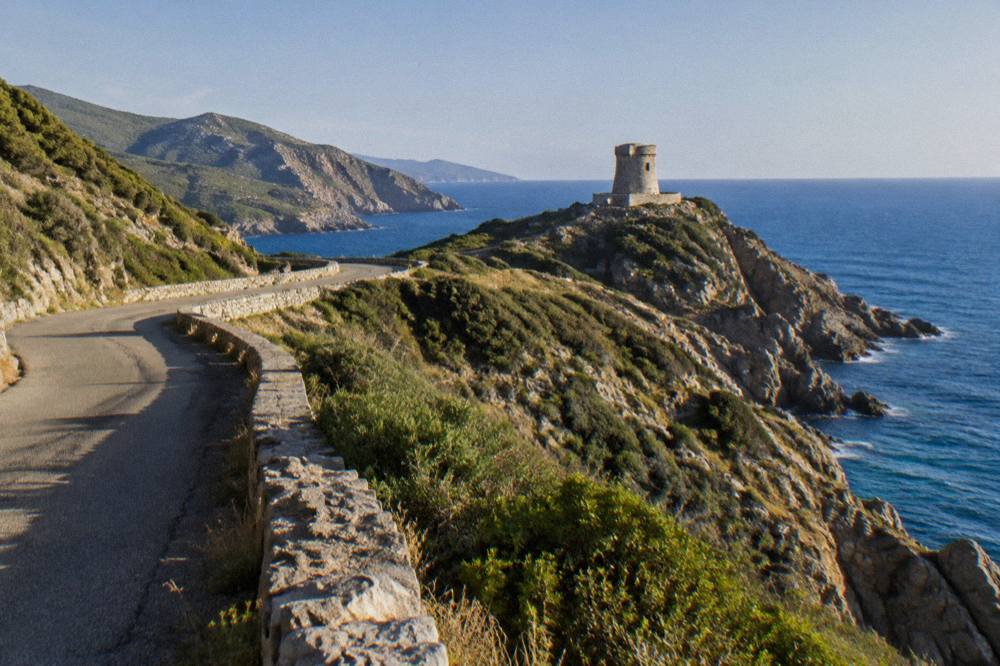
Road conditions deserve a standing note: Inforoutes Corse publishes live road status and accessibility levels for the main mountain passes, and checking it before any mountain drive is the routine this site recommends, since the interior's narrow roads and weather closures are real. The site's driving and getting around coverage links into the wider planning pages, including itineraries that start from a Bastia arrival.
How Does The Bastia Old Port Compare With Other Corsican Highlights?
The Bastia Old Port is a working harbour quarter in Corsica's second town, which sets it apart from the island's headline sights: the UNESCO property of the Gulf of Porto with the Calanques de Piana, Girolata and Scandola, the cliffs of the Bonifacio citadel and the Îles Lavezzi in the far south, and the beaches of Palombaggia, Santa Giulia and Saleccia. It is a base and a town sight rather than a single natural spectacle, and that is its role in an island itinerary.
The comparison matters for planning. A reader with one week splits naturally between a northern base such as Bastia or Calvi and a southern base near Bonifacio or Porto-Vecchio, and the old port belongs to the northern half of that split. From the south, the Bonifacio citadel and cliffs, the Îles Lavezzi, the Escalier du Roi d'Aragon and the Aiguilles de Bavella fill the days; from the north, Cap Corse, the Agriates, the Balagne and Corte do the same. The beaches pair differently too: Palombaggia and Santa Giulia sit near Porto-Vecchio, while Saleccia is the northern counterpart in the Agriates.
What Should You Know Before Visiting The Bastia Old Port?
Before visiting the Bastia Old Port, know the practical standing facts: Corsica's currency is the euro, emergency numbers are 112, 15 for medical, 17 for police, 18 for fire, 114 by SMS or app and 196 for sea rescue on VHF channel 16, mountain rescue is the PGHM at Ajaccio on 04 95 24 24 00, restaurant service is included in displayed prices by law with tips optional, and the US State Department lists France at Level 2, Exercise Increased Caution.
The sea-rescue number matters in a harbour town, and 196 is the figure to hold for anyone heading out on the water. On the beaches, Ajaccio ran 7 lifeguard posts from 1 July to the end of August 2026 on its main beaches, and Haute-Corse's supervised beaches are staffed by volunteer firefighters from about 1 July to 31 August a pattern that frames the swimming season on this coast too.
Tipping follows the French rule: menus must state "prix service compris" with the service percentage, and any extra is voluntary, per the DGCCRF's own guidance.
For readers building a full trip, the island-wide pages continue from here: the things to do in Corsica roundup, the Citadelle de Bastia guide for the quarter above the harbour, and the Bastia area guide for the town as a whole.
Common Questions About The Bastia Old Port
What Is The Bastia Old Port?
The Bastia Old Port is the historic harbour quarter of Bastia, Corsica's second town with 46,867 residents, on the island's north-east coast. It functions as a sight, a ferry-adjacent town quarter and a departure point for sea trips along Cap Corse and the Agriates coast.
How Do You Get To Bastia In Corsica?
Bastia is reached by ferry from Livorno, Savona, Genoa, Marseille, Toulon and Nice, with reported crossings of about 4 to 5 hours from Livorno and about 12 to 13 hours from Marseille, and by air through Bastia Poretta airport, one of Corsica's four airports.
Is The Museum Of Bastia Open Every Day?
Reported hours for the Museum of Bastia in the Palais des Gouverneurs are 10:00 to 18:30 in high season and 09:00 to 12:00 and 14:00 to 17:00 in low season, closed Sundays and Mondays in the low period. Confirm before you go.
What Boat Trips Leave From Bastia's Old Harbour?
Le Grand Tour departs from Bastia's old harbour and runs along the Cap Corse and Agriates coast. Its price, rating and duration render on its own listing, and departures depend on sea conditions.
What Is The Weather Like In Bastia?
Météo-France station normals for 1991-2020 show a hot dry summer and a mild wet winter: an August average daily high of about 29.8 °C, July rainfall of 13.8 mm and November rainfall of 134.3 mm at the Bastia station.
Can You Visit Cap Corse From The Bastia Old Port?
Yes. Cap Corse begins directly north of Bastia, with villages such as Centuri on the peninsula and the Patrimonio appellation at its base, reported by visit-corsica.com. The Désert des Agriates beaches of Saleccia and Lotu are reached by boat shuttle from Saint-Florent about April to October, by 4x4 track from Casta, or on foot.