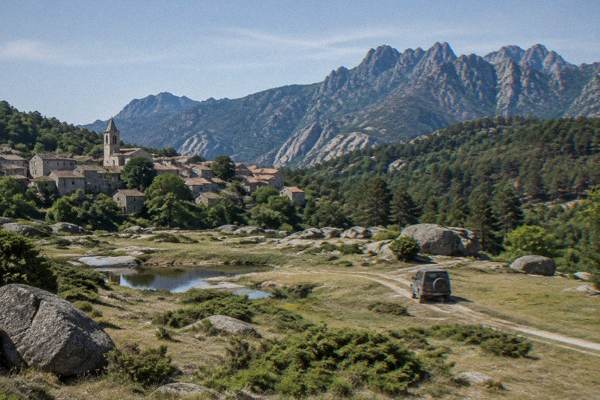
Corte And The Corsican Interior: What To See, Hike And Know
Corte sits inland at the foot of Corsica's highest mountains, a university town around a citadel that guards the confluence of the Restonica and Tavignano valleys, with the Musée de la Corse on top and the GR20 a bus ride away.
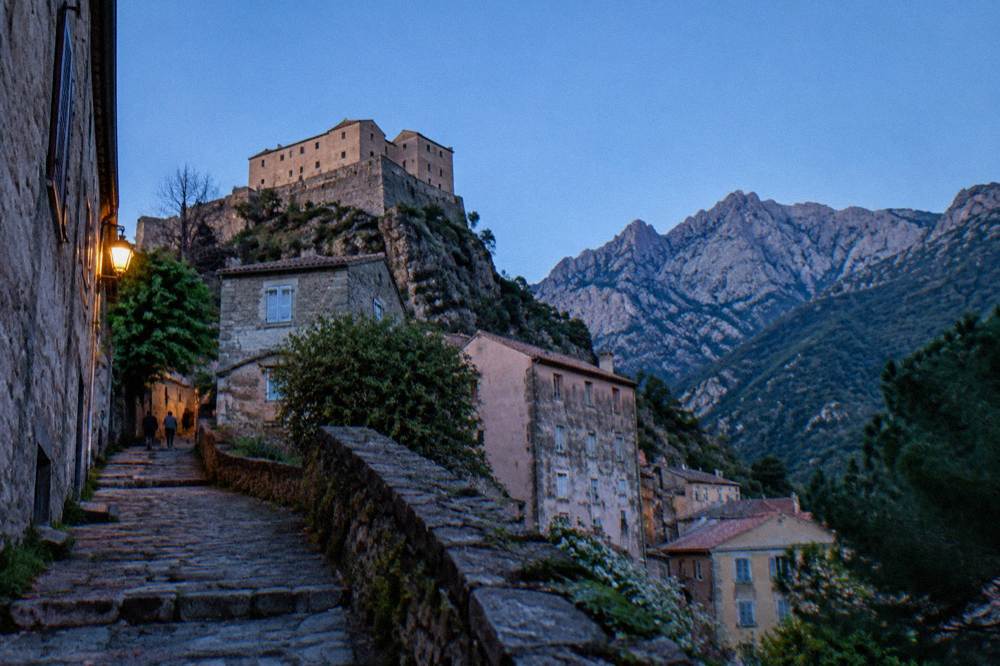
Corte is Corsica's historic inland capital, home to the Citadelle de Corte and the Musée de la Corse (EUR 5.50 full, one ticket for both), the gateway to the Gorges de la Restonica, and the island's most central base for the GR20 and the trails of the Parc naturel régional de Corse.
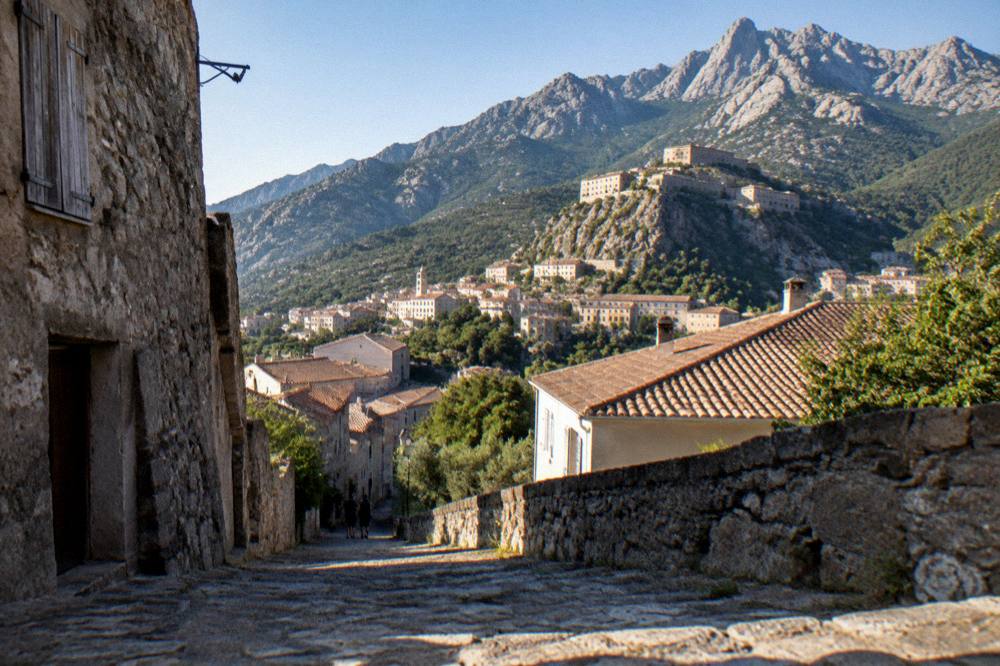
Corte is the town of the Corsican interior, built around a rock citadel at the meeting of the Restonica and Tavignano valleys in the centre of the island, roughly halfway between Ajaccio and Bastia on the island's main road and rail axis. It is the old capital of Corsica, it holds the island's university, and it is the natural base for the highest part of the Parc naturel régional de Corse: Monte Cinto, at 2,706 m the island's summit, stands in the massif to the northwest, and the GR20 ridge route crosses the region. Corte is also, in a way no coastal town can be, the place where the mountain island and the sea island meet: the town itself is inland, but the road west drops to the Golfe de Porto and the UNESCO-listed coast in under two hours.
Everything below pulls together what the island's own sources say about the citadel museum, the Restonica valley, the long-distance trails, and the practical business of getting to a town that sits at the centre of everything and the edge of the high mountains.
Where Is Corte In Corsica?
Corte stands in the geographic centre of Corsica, inland, at the confluence of the Restonica and Tavignano river valleys, on the island's main road between Ajaccio and Bastia via the interior. It is the historic capital of the island and the seat of the Università di Corsica, and it lies inside the Parc naturel régional de Corse, the regional park created in 1972 that now covers 4,484 km2 of the island's mountainous heart.
The town's position is its whole character. Corsica is a sea island, with more than 1,000 km of coastline, but Corte belongs to the other Corsica: the massifs, the chestnut and pine forests, and the gorges that cut west toward the Golfe de Porto. From the citadel rock the land climbs quickly; Monte Cinto at 2,706 m is the highest summit, and the GR20, the island's famous 180 km ridge walk, runs through the high country a short drive away.
That makes Corte the only base from which the whole island is a day trip, and it explains why so many itineraries put at least one night here.
What Are The Best Things To Do In Corte And The Interior?
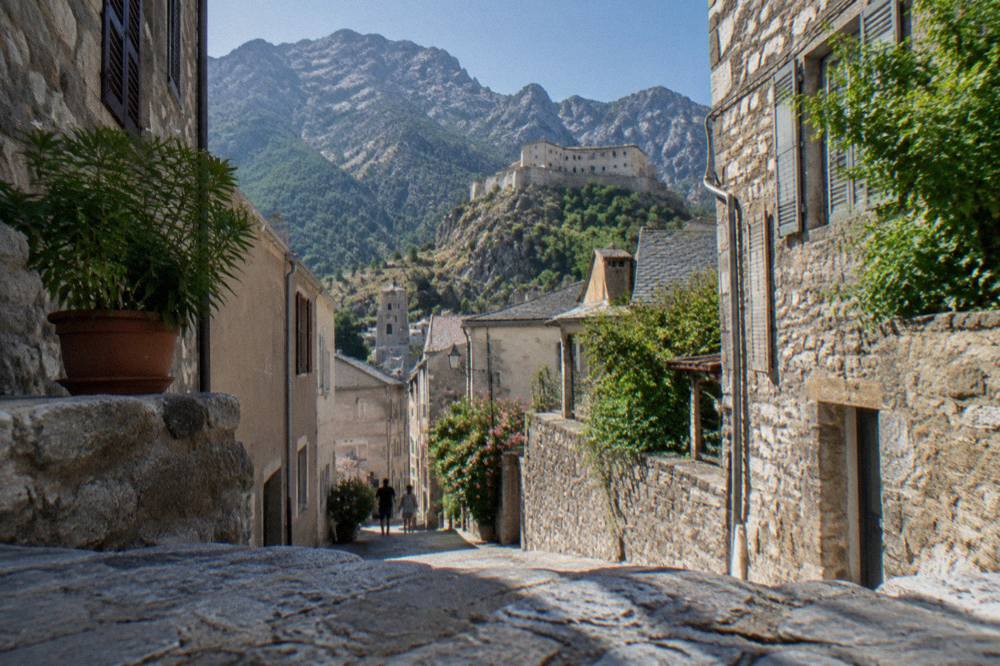
The core of a Corte visit is the Citadelle de Corte and the Musée de la Corse, which share one ticket at EUR 5.50 full price, followed by the Gorges de la Restonica, the village of Venaco and the chestnut country of the interior, and the trailheads of the GR20 and the Mare a Mare routes.
The interior is hiking country: the long paths of the regional park all touch the region, and the Restonica shuttle (navette C13) serves the gorge in season, so confirm locally before relying on it.
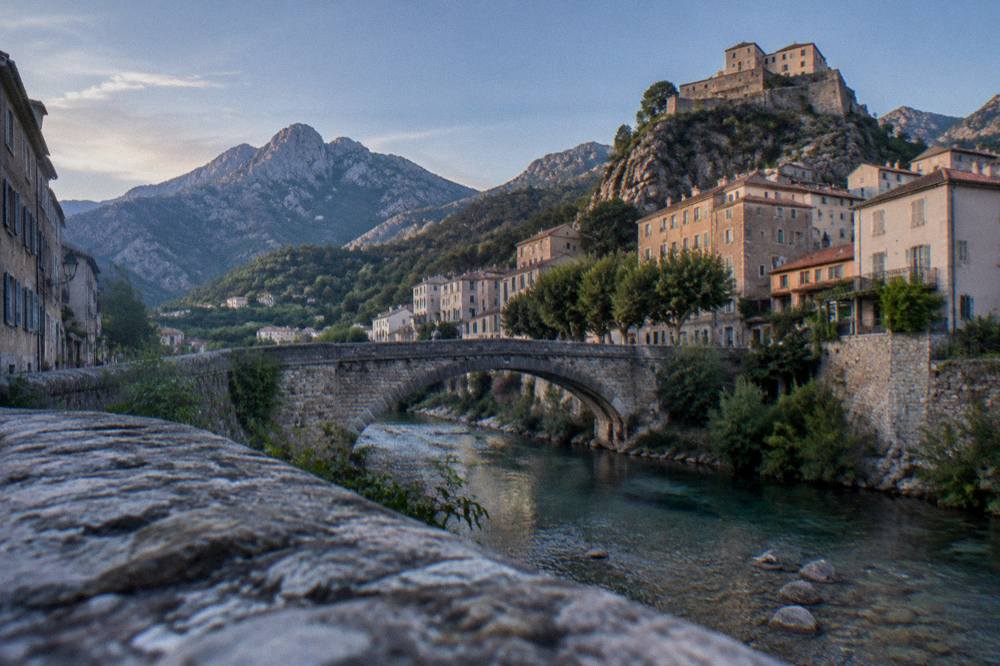
The citadel is the one unmissable sight. It houses the Musée de la Corse, the island's museum of Corsican culture and history, and the museum's practical page confirms that a single ticket covers both the museum and the citadel itself, with last access to the citadel one hour before the museum closes. The restored palace buildings stand on the rock above the old town, and the view from the ramparts takes in both river valleys.
Around the town, the interior unfolds in layers. West is the Restonica, a glacier-cut gorge with a road running up toward the high sheep pastures and the trailheads for the Monte Cinto massif. South are Venaco and the chestnut slopes, and the A Cupulatta turtle park sits inland on the road toward the west coast, a workable family stop between Corte and Sagone's coast. For a fuller read on the coast that the interior road reaches, see Calanques de Piana and the Scandola Nature Reserve.
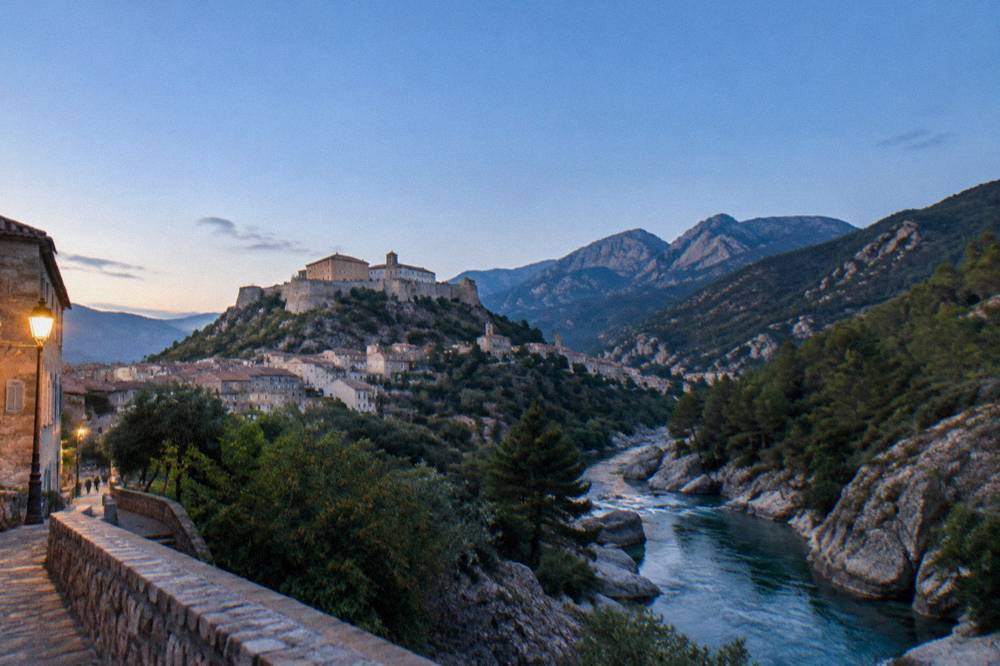
What Do The Citadelle De Corte And Musée De La Corse Cost And When Are They Open?
The Musée de la Corse and the Citadelle de Corte are open 1 May to 31 October daily from 10:00 to 19:00, except 1 May, and 1 November to 30 April from 10:00 to 17:00 except Sundays, Mondays, public holidays and 24 December, with an annual closure from 31 December to 14 January. A full ticket is EUR 5.50, a reduced ticket EUR 4 without the temporary show, EUR 3 for over-65s and young people, and one ticket covers museum and citadel together.
Those hours and prices come from the museum's own practical page. The summer season is the generous one: seven-day opening until 19:00, with the citadel closing its gate an hour earlier. The winter season drops to five days a week, and the fortnight around New Year closes the site entirely, which matters for anyone planning a January or early-February trip through the interior.
| Period | Days | Hours | Notes |
|---|---|---|---|
| 1 May to 31 October | Daily | 10:00 to 19:00 | Closed 1 May |
| 1 November to 30 April | Tue to Sat | 10:00 to 17:00 | Closed Sun, Mon, public holidays, 24 Dec |
| 31 December to 14 January | Closed all week | Closed | Annual closure |
| Citadelle access | Same days | Last entry 1 h before museum close | Same ticket |
| Ticket | Price |
|---|---|
| Full | EUR 5.50 |
| Reduced, no temporary show | EUR 4 |
| Over-65s and young people | EUR 3 |
| Museum plus citadel | One ticket covers both |
The museum is the island's central institution for Corsican culture, and its setting is half the experience: the citadel rock separates the two river valleys, and the buildings above the old town carry the weight of Corte's history as the capital of the interior. Give it a half day at summer pace, less in the short winter hours.
Is The Restonica Valley Worth The Drive From Corte?
The Gorges de la Restonica is the classic excursion from Corte: a steep granite valley climbing west of town into the high massif, with trailheads for the lakes and refuges of the central GR20 section, served in season by the navette C13 shuttle, whose fares and times should be confirmed locally before you go.
The road times printed for this itinerary apply to Corte itself, and the gorge beyond the town is a mountain road like every other in the interior: check Inforoutes Corse, which publishes live road status for the island, before setting out.
Rewrite:
The road times printed for travelers apply to Corte itself, and the gorge beyond the town is a mountain road like every other in the interior: check Inforoutes Corse, which publishes live road status for the island, before setting out.
The Restonica is the interior's showcase valley. Its upper reaches sit inside the regional park, and the trails that leave the valley floor connect to the GR20's central stages and the high lakes country below Monte Cinto. The shuttle exists, reported by regional sources, but its operating details change between seasons, so our advice is simple: treat the shuttle as a seasonal service to verify in Corte itself, and be ready to park lower and walk.
A Restonica morning therefore costs little more than the drive up the gorge itself, and the valley can be combined with the museum in one day without rushing either.
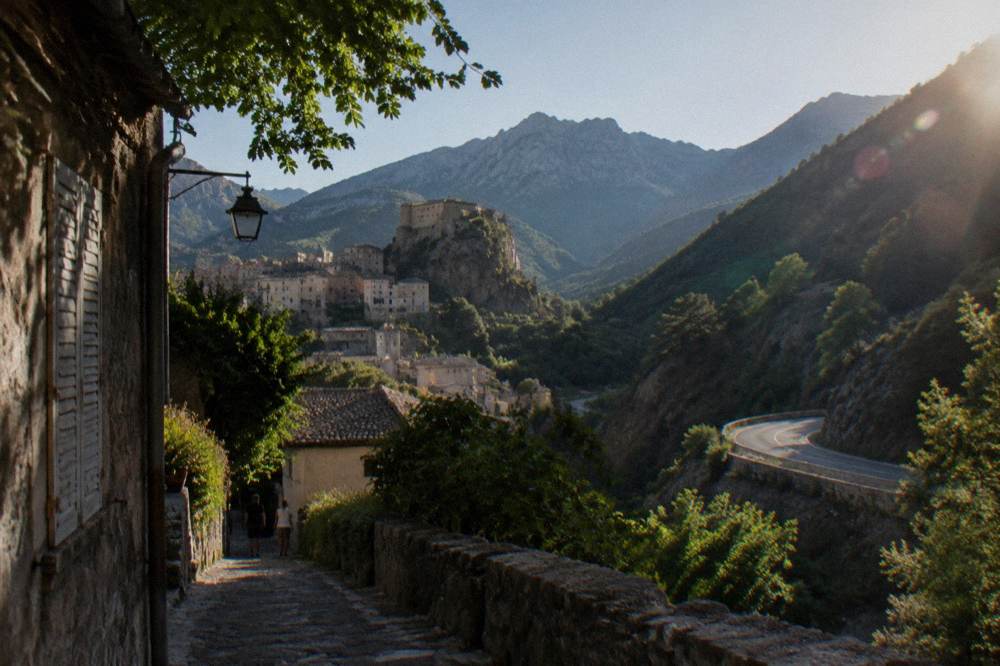
For a deeper look at the valley and how to structure the day, the site carries a full Restonica and Corte day trip plan.
Is Corte The Best Base For The GR20 And Corsica's Long Trails?
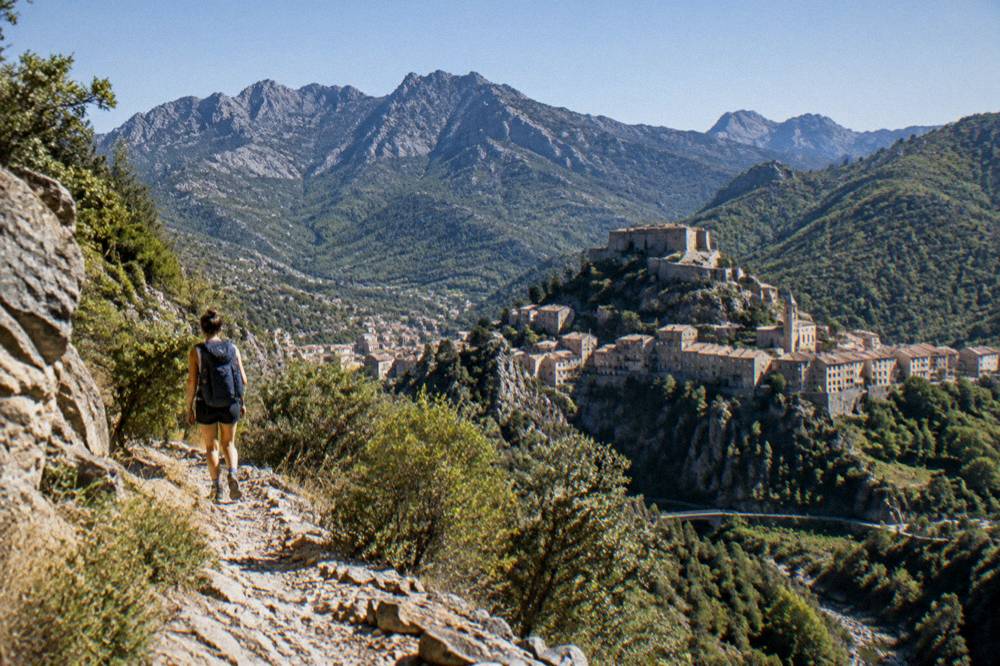
Corte is the most practical base in Corsica for the GR20 and the long-distance trails of the regional park: the GR20 runs 180 km north to south in about 15 stages of 4 to 8.5 hours each, the Mare a Mare Centre covers 84 km from Ghisonaccia to Porticcio, and the Vizzavona forest house on the main Ajaccio to Corte rail line is the classic mid-route exit and re-entry point for walkers doing the trail in halves.
The Corsican Assembly's own text describes the GR20 as 180 km with about fifteen stages of 4 to 8.5 hours, and the park's page sets the 2026 refuge season: PNRC refuges are guarded from 16 May to 4 October inclusive, and booking is mandatory for every option, refuge bunk or bivouac, online only. The rates below are the PNRC's 2026 tariffs.
| Option | 2026 rate (per person) |
|---|---|
| Refuge bunk (bat-flanc) | EUR 20 |
| Bivouac pitch, own tent | EUR 12 |
| Rented tent, 1 person (pitch plus tent) | EUR 27 |
| Rented tent, 2 persons (2 pitches plus tent) | EUR 39 |
Rental tents sleep two and come with a 3 cm mat per person; bring your own sleeping bag. Dogs are not allowed inside refuges or rented tents. Two rules shape planning more than any other: no GR20 departures from Calenzana after 11:00 under a municipal fire-risk order, and no wild camping anywhere on the GR20 or elsewhere in Corsica, with bivouac allowed only in the marked areas at refuges, reported by hiking sources.
| Trail | Length | Days | Total climb |
|---|---|---|---|
| GR20 (Fra li Monti) | 180 km | about 15 stages of 4 to 8.5 h | not published |
| Mare e Monti Nord | 121 km | 10 days | 6,100 m |
| Mare a Mare Nord | 139 km (161 km with variant) | 8 to 12 days | 5,900 m |
| Mare a Mare Centre | 84 km | 6 to 7 days | 3,900 m |
| Mare a Mare Sud | 73 km | 5 days | 3,200 m |
| Mare e Monti Sud | 66 km | 5 days | 2,700 m |
The full walk gets its own treatment in the site's GR20 and hiking tours guide and the dedicated hiking in Corsica page. From Corte, day walkers reach the central stages without committing to the whole ridge, and the Mare a Mare Centre's Ghisonaccia trailhead lies east over the mountains.
How Do You Get To Corte Without A Car?
Corte sits on the Chemins de fer de la Corse main line from Ajaccio to Bastia via the interior, which makes it the one inland town in Corsica reachable by train, with the island's other rail lines running Ponte-Leccia to Calvi and the coastal Balagne service between Calvi and L'Île-Rousse. Road alternatives are the island's principal axes: 1 hour from Bastia, 1 hour 30 from Ajaccio, with Inforoutes Corse publishing live mountain-road status for the passes.
The train is the interior's quiet advantage. The Ajaccio to Bastia line via Corte is the backbone of the network, reported by the operator's timetable pages, and Corte's station puts the town a walk from the centre. The other two lines serve the northwest: Ponte-Leccia to Calvi, and the Balagne coastal line between Calvi and L'Île-Rousse. Timetables change seasonally and works happen, so check the operator's current pages before building a day around a connection. The wider set of guides lives on Corsica Travel Guide.
Corsica's mountain roads are narrow and slow by design, and Inforoutes Corse publishes real-time conditions and access levels for the main cols, which matters in winter snow and after autumn storms alike. Fire season has its own rulebook: from 15 June to 30 September it is forbidden to light a fire or smoke in forests, maquis and massifs, and the prefecture's daily massif-access map is updated at 18:00 for the next day.
What Is The Weather Like In The Corsican Interior?
The interior follows Corsica's Mediterranean pattern, hot and dry in summer and mild and wet in winter, but with altitude: Corte sits several hundred metres above the coast, and the high mountains above town take snow, which is why the GR20 refuges are guarded only from 16 May to 4 October.
The Météo-France 1991-2020 normals for Ajaccio, the nearest published station, show July averaging 8.6 mm of rain and August a mean daily high of 29.2 °C, while November averages 111.8 mm and December 73.9 mm.
The coast and the interior are different worlds in the same month. The station normals below are coastal values; expect the valleys above Corte to run cooler, and the massifs cooler again. October and November carry the heaviest rain of the year at both published stations, and from November the high trails hold snow until late spring, which is the reason the refuge season is bounded the way it is.
| Month | Ajaccio high °C | Ajaccio low °C | Rain mm | Sunshine h/day |
|---|---|---|---|---|
| Jan | 14.0 | 4.7 | 54.1 | 4.4 |
| Mar | 16.0 | 5.9 | 50.4 | 6.8 |
| May | 22.1 | 11.8 | 49.8 | 9.3 |
| Jul | 28.6 | 17.7 | 8.6 | 12.1 |
| Aug | 29.2 | 18.1 | 15.8 | 11.1 |
| Oct | 22.8 | 12.6 | 85.7 | 6.7 |
| Nov | 18.3 | 9.0 | 111.8 | 4.7 |
Source: Météo-France station data, 1991-2020 normals, Ajaccio (Campo dell'Oro). Bastia's station shows the same shape with more rain: 134.3 mm in November and 126.5 mm in October, against 13.8 mm in July.
Where Should You Stay: Corte Or The Coast?
Corte works best as the inland half of a two-base Corsica trip: two or three nights here for the citadel, the Restonica and the high trails, paired with a coastal base such as Calvi and the Balagne, Porto-Vecchio or Bonifacio for the beaches and boat trips. Every coastal option sits's stated road times, 1 hour 30 to Calvi, 2 hours to Porto-Vecchio, 2 hours 45 to Bonifacio, which is why a single inland base cannot cover the whole island comfortably.
The standard structure splits the island. Arrive through Bastia or Ajaccio, spend the first stretch on the coast, then move inland to Corte for the mountain chapter, and finish with a second coastal stretch. Corte's accommodation is modest compared with the resorts of Porto-Vecchio or Calvi and the Balagne, and that is part of the point: the town is a walkers' and drivers' base, not a resort.
For readers weighing the town against alternatives, the site's is Corte worth visiting answer works through the case in detail, and the Corsica regions overview maps the island's logic as a whole.
What Food Should You Try In And Around Corte?
The interior is the source of the island's protected foods: brocciu, the whey cheese that took its appellation d'origine in 1983 and its AOC in 1998; prisuttu, lonzu and coppa, the three charcuterie cuts that received AOC in 2012 and AOP in 2014 from the Nustrale pig breed recognised in 2006; and chestnut flour, whose AOP Farina castagnina corsa was recognised in 2010, with the defence body created in 2001.
The chestnut is the interior's own crop. The AOP flour comes from the island's hill orchards, and the Castagniccia east of Corte is chestnut country by name. Corsican honey carries the AOP Mele di Corsica, with the AOC dating from 1998, and Corsican olive oil has held the AOC Oliu di Corsica since 2004. Even the clémentine de Corse, an IGP since 2007, is an island product: about 98% of metropolitan France's citrus area sat in Corsica on CESEC's 2014-era count.
In town plates, that pantry becomes brocciu in savoury dishes and in fiadone, the cheese cake, with lonzu and coppa on the charcuterie board and canistrelli alongside coffee. The site's Corsican food and what to eat guide carries the full glossary, and the Corsican wine page covers the island's appellations, whose named crus include Patrimonio, Ajaccio and the Vin de Corse sector names Calvi, Coteaux du Cap Corse, Figari, Porto-Vecchio and Sartène.
What Safety Rules Apply In The Corsican Mountains?
The standing rules are the fire regime and the rescue numbers: from 15 June to 30 September no fires and no smoking in forests, maquis and massifs, with a daily massif-access map updated at 18:00 for the next day and some massifs closing entirely on the highest-risk days; at sea and on land the emergency numbers are 112, 15 (medical), 17 (police), 18 (fire), 114 (SMS) and 196 for sea rescue, with the PGHM mountain rescue in Ajaccio on 04 95 24 24 00.
The fire map is the one habit to build. Between mid-June and mid-September, access to some massifs can be restricted or closed by prefectural order when the risk level is high, and the GR20's Calenzana departure rule, no starts after 11:00, exists for the same reason. The UK FCDO notes a high wildfire risk in France from April to October, and the US State Department lists France at Level 2, Exercise Increased Caution.
On the water, lifeguard cover is a coastal matter rather than a Corte one, but the numbers travel: Ajaccio ran seven lifeguard posts from 1 July to the end of August 2026 on its main beaches, and Haute-Corse's supervised beaches are staffed by volunteer firefighters over roughly the same window. Tipping needs no planning: French menus must state prix service compris, and any extra tip is optional.
What Day Trips Work From Corte?
From Corte, the strongest day trip heads west to the Scandola Reserve, Corsica's first nature reserve, created on 9 December 1975 inside the UNESCO Gulf of Porto property inscribed in 1983, a site whose land area is closed to the public and reachable only by boat tours departing from Porto, Ota, Cargèse, Sagone, Ajaccio and Calvi.
The west-coast trips are the ones most worth booking ahead, because the Scandola Reserve is visited by boat only.
Scandola is the headline. The reserve, created by ministerial order on 9 December 1975 as the first nature reserve in Corsica, sits inside the UNESCO property "Gulf of Porto: Calanche of Piana, Gulf of Girolata, Scandola Reserve", inscribed in 1983, and its land area is closed to the public: visits are by boat only, with no landing in the integral reserve, reported by the OEC's rules. Boat tours leave from Porto, Ota, Cargèse, Sagone, Ajaccio and Calvi, and the site's Scandola boat tour and Calanques de Piana tour pages cover the options.
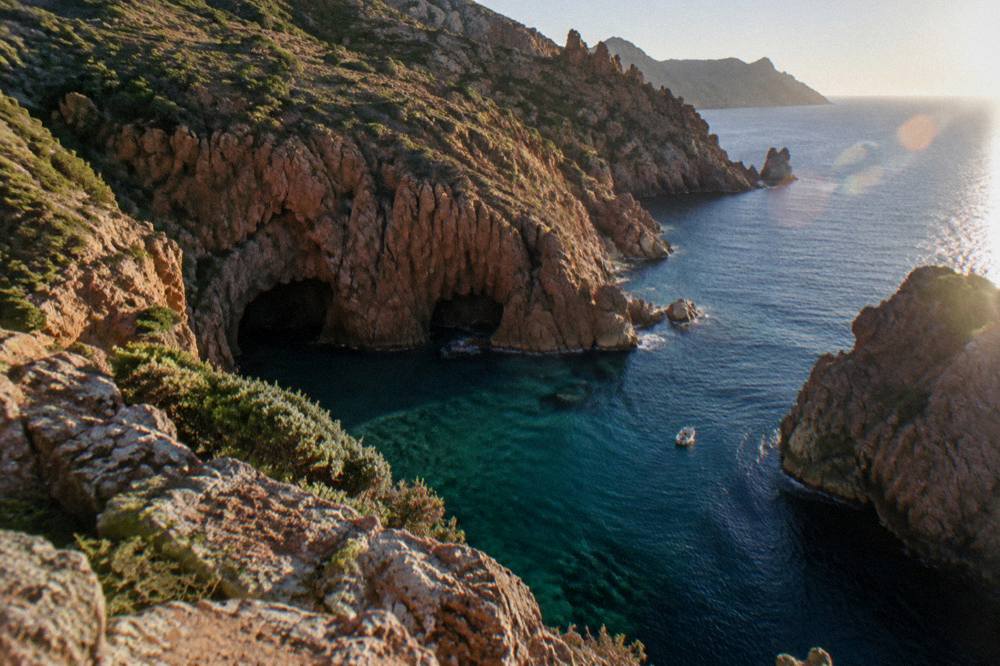
If the boat day appeals, the coastal cruise can be booked in advance: Check availability for the half-day Scandola and Calanche de Piana trip from Porto.
Common Questions About Corte And The Corsican Interior
Is Corte Worth Visiting?
Yes, for the citadel and the Musée de la Corse, the Restonica valley, and as the island's most central base for the GR20 and the regional park's long trails. The full case is set out in the site's is Corte worth visiting answer.
What Does The Citadelle De Corte Cost?
The Musée de la Corse and the citadel share one ticket: EUR 5.50 full, EUR 4 reduced without the temporary show, and EUR 3 for over-65s and young people, with citadel last access one hour before the museum closes.
Can You Get To Corte By Train?
Reported, yes: the Chemins de fer de la Corse main line runs from Ajaccio to Bastia via Corte, alongside the Ponte-Leccia to Calvi line and the Balagne coastal service between Calvi and L'Île-Rousse. Check the operator's current timetable before travelling.
Do You Need To Book GR20 Refuges In Advance?
Yes. Booking is mandatory for both refuge bunks and bivouac pitches, online only, for the 2026 season in which refuges are guarded from 16 May to 4 October. A bunk is EUR 20 and a bivouac pitch EUR 12 per person.
When Is The Best Time To Visit Corte?
For the high trails, the guarded refuge season runs 16 May to 4 October; for the museum, the long summer hours run daily to 19:00 from 1 May to 31 October. No single month is a fact: match the season to the walks and the weather you want.