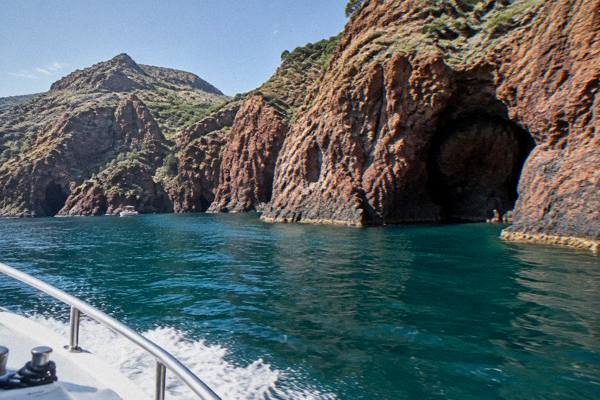
Free Things To Do In Corsica
Corsica gives away an unusual amount for nothing: more than 1,000 km of coastline, villages perched on rock, and a long-distance trail network you can walk for the cost of a bunk or a bivouac pitch.
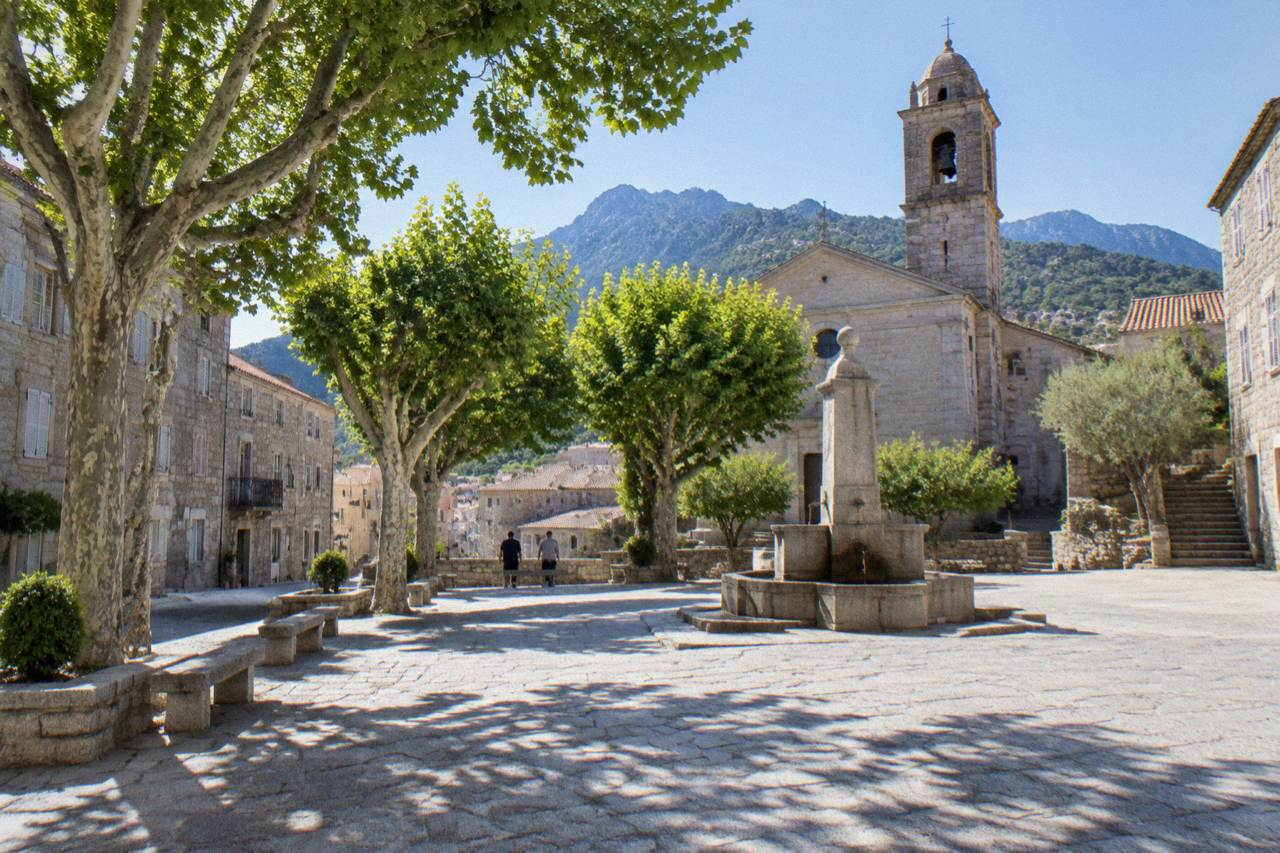
Museums add free tiers, with Palais Fesch free up to 18 and Maison Bonaparte free for EU residents under 26.
Corsica keeps a large share of its appeal outside the ticket office. The island covers 8,722 km2 with more than 1,000 km of coastline, and the beaches, the village lanes, the mountain trails and the sea views along the coastal roads cost nothing to enter. The Parc naturel régional de Corse, created in 1972, now spans 4,484 km2, and its trail network is open to anyone prepared to walk it. This page sets out what is genuinely free on the island, what offers a free tier, and where the paid boundary sits, with figures from the island's own institutions rather than guesswork. For the full paid and free mix, start with the site's things to do in Corsica overview, then come back here for the no-spend layer.
What Can You Do For Free In Corsica?
The free offer in Corsica falls into four groups: public beaches along more than 1,000 km of coastline, walkable old towns and villages, road and viewpoint access to the island's rock scenery, and the long-distance footpaths of the Parc naturel régional de Corse. None of these charges admission, and together they cover the majority of what the island is known for. The paid layer, by contrast, is concentrated in museums, boat excursions and organised tours. A trip built on the free layer needs a car or patience with buses, because the beaches and villages sit along roads rather than rail lines. The Chemins de fer de la Corse network links Ajaccio, Bastia, Corte, Calvi and L'Île-Rousse, but the free highlights on this page are mostly reached by road.
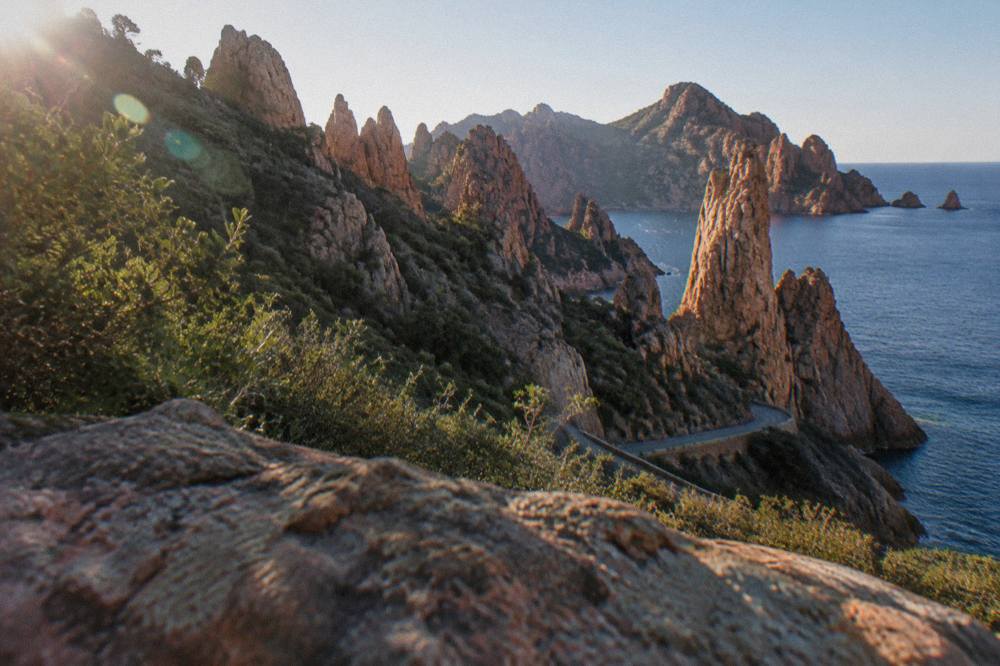
The arithmetic matters. The park alone covers more than half the island, and its western sea front runs 80 km from Capu Rossu to Capu Cavallu. Within that space sit the Calanques de Piana, the Gulf of Girolata and the Scandola Reserve, the UNESCO property inscribed in 1983. The sea portion of Scandola is visited by boat only, and those trips are paid; the land portion is closed to the public. But the road through the Calanques de Piana is public, and the Calanques de Piana attraction guide explains exactly what you can see from it without spending anything.
Budget travellers should also read the site's first time in Corsica guide, which explains the island's geography before you commit to a base, and the Corsica road trip itinerary, since a car is the tool that unlocks the free layer.
Which Corsican Beaches Cost Nothing To Visit?
Every beach listed here is public and free to enter, from Palombaggia and Santa Giulia near Porto-Vecchio to Rondinara, Ostriconi in the Balagne, and Saleccia and Lotu in the Désert des Agriates. Access is the only cost, and access varies: the Agriates beaches are reached by boat shuttle from Saint-Florent, by 4x4 track from Casta, or on foot, so a free beach can still carry a transport bill. The shuttle options are seasonal, reported as running about April to October, weather permitting, so check before counting on them. Everything swimmer-facing is free: sand, sea and, in summer, supervised zones at the main beaches.
| Beach | Area | Free access notes |
|---|---|---|
| Palombaggia | Porto-Vecchio | Public beach, free entry, full guide |
| Rondinara | Bonifacio to Porto-Vecchio coast | Public beach, free entry |
| Ostriconi | Balagne, near Palasca | Public beach, free entry |
| Saleccia | Désert des Agriates | Free beach, reached by shuttle, 4x4 track from Casta or on foot |
| Lotu | Désert des Agriates | Free beach, same access options as Saleccia |
| Lavezzi islands beaches | Bonifacio | Free to land and swim; boat transfer is paid, guide |
Supervision is worth understanding. Ajaccio operated 7 lifeguard posts from 1 July to the end of August 2026 on the town's main beaches, and the Haute-Corse beaches are supervised by volunteer firefighters about 1 July to 31 August, per local reporting. Outside those windows the beaches remain free and open, but unsupervised. The general sea rules apply anywhere: the emergency number at sea is 196, and 112 covers everything else.
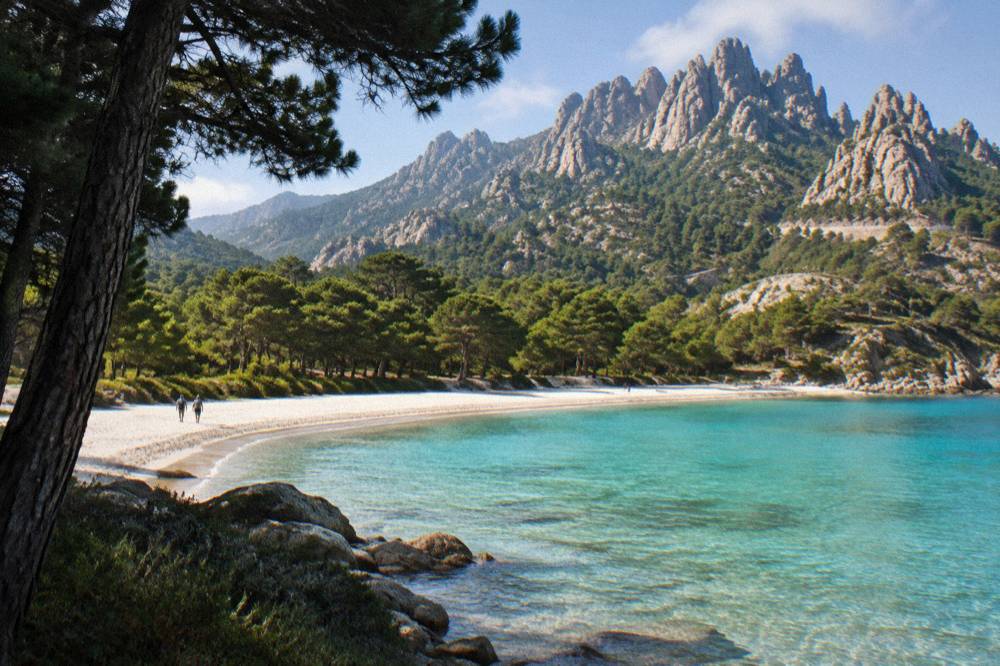
The beaches above are the free core. If a day on the water appeals, the paid boat excursions from Porto-Vecchio are covered separately in the site's Porto-Vecchio boat trips guide, and the Scandola cruises have their own Scandola boat tour page.
Are Corsica's Museums Ever Free To Enter?
Yes, and the free tiers are written into the official price lists: Palais Fesch in Ajaccio is free up to 18, Maison Bonaparte is free for EU residents under 26 with proof, the Musée de la Corse in Corte is free for under-10s and for Corsica residents under 25, and Filitosa is free for children under 6. Those rules come from each site's own published practical information. For everyone outside the free tiers, the paid prices are modest and are listed in the table below, all in euros, because the island's currency is the euro.
| Sight | Free tier (per the site's own listing) | Paid full price |
|---|---|---|
| Palais Fesch, Ajaccio | Free up to 18 | EUR 10 (EUR 6 over 65) |
| Maison Bonaparte, Ajaccio | Free for EU residents under 26 | EUR 10 (EUR 8 non-EU 18 to 25, large families) |
| Musée de la Corse and citadel, Corte | Free under 10, Corsica residents under 25 | EUR 5.50 (EUR 4, EUR 3 reduced) |
| Filitosa prehistoric site | Free under 6 | EUR 9 (EUR 7 reduced, EUR 28 family) |
| Escalier du Roi d'Aragon, Bonifacio | No free tier stated | About EUR 5 |
Maison Bonaparte adds a timing detail that suits a tight budget. It is closed on Mondays, and from 1 July to 30 September it runs 10:00 to 17:30 continuously, while in the cooler months it splits into morning and afternoon sessions. The museum sits on Rue Saint-Charles in Ajaccio, 200 m from the bus station and the ferry terminal, with bus 8 from the airport, so it is reachable without a taxi. The building's own story, and Napoleon's, is covered in the site's Maison Bonaparte guide, and the broader Ajaccio walk is in the Ajaccio city guide.
One museum deserves a note on what the ticket buys. At the Musée de la Corse in Corte, a single ticket covers both the museum and the citadel, with the citadel's last access one hour before the museum closes. Corte sits inland, the island's old capital, and the road times published by the museum itself are Bastia 1 h, Ajaccio 1 h 30, Calvi 1 h 30, Porto-Vecchio 2 h, Bonifacio 2 h 45 and Propriano 2 h 45. That makes Corte a realistic free-and-cheap day out from almost any base, detailed further in the Corte and the interior guide.
Can You Walk Corsica's Long-Distance Trails For Free?
The trails themselves are free to walk: the GR20, the three Mare a Mare routes and the Mare e Monti routes are public paths with no entry charge. What costs money on the GR20 is sleeping, because PNRC refuge nights and bivouac pitches must be booked online and paid for, at EUR 20 for a bunk and EUR 12 for a bivouac pitch per person in 2026. Day walking, by contrast, costs nothing beyond getting to the trailhead. Wild camping is banned across Corsica, reported widely and enforced, so the free option is a day walk, not a night out.
| Trail | Length | Stages or days | Climb |
|---|---|---|---|
| GR20 (Fra li Monti) | 180 km | About 15 stages of 4 to 8.5 h | Not stated |
| Mare e Monti Nord | 121 km | 10 days | 6,100 m |
| Mare a Mare Nord | 139 km (161 km with variant) | 8 to 12 days | 5,900 m |
| Mare a Mare Centre | 84 km | 7 days (6 to Tavera) | 3,900 m |
| Mare a Mare Sud | 73 km | 5 days, ends in Propriano | 3,200 m |
| Mare e Monti Sud | 66 km | 5 days, ends in Propriano | 2,700 m |
The 2026 refuge system runs on fixed rules. Refuges are guarded from 16 May to 4 October inclusive, and booking is mandatory for every option, whether a bunk, a bivouac pitch or a rented tent, online only, with card payment. Changes are possible up to 48 hours before a stage, subject to availability. The full rate card is below.
| Option (2026, per person) | Price |
|---|---|
| Bunk in a refuge (bat-flanc) | EUR 20 |
| Bivouac pitch, own tent | EUR 12 |
| Rented tent, 1 person (pitch and tent) | EUR 27 |
| Rented tent, 2 people (2 pitches and tent) | EUR 39 |
All PNRC rental tents sleep two and come with a 3 cm mat per person; bring your own sleeping bag. Dogs are not allowed inside refuges or rented tents. Two further rules shape a free walker's day: no GR20 departures from Calenzana after 11:00 under a municipal fire-risk order, and from 15 June to 30 September it is forbidden to light a fire or smoke in forests, maquis and massifs. The fire-risk map is updated at 18:00 for the next day, and from mid-June to mid-September access to some massifs can be restricted. The site's GR20 guide and the wider hiking in Corsica page carry the detail.
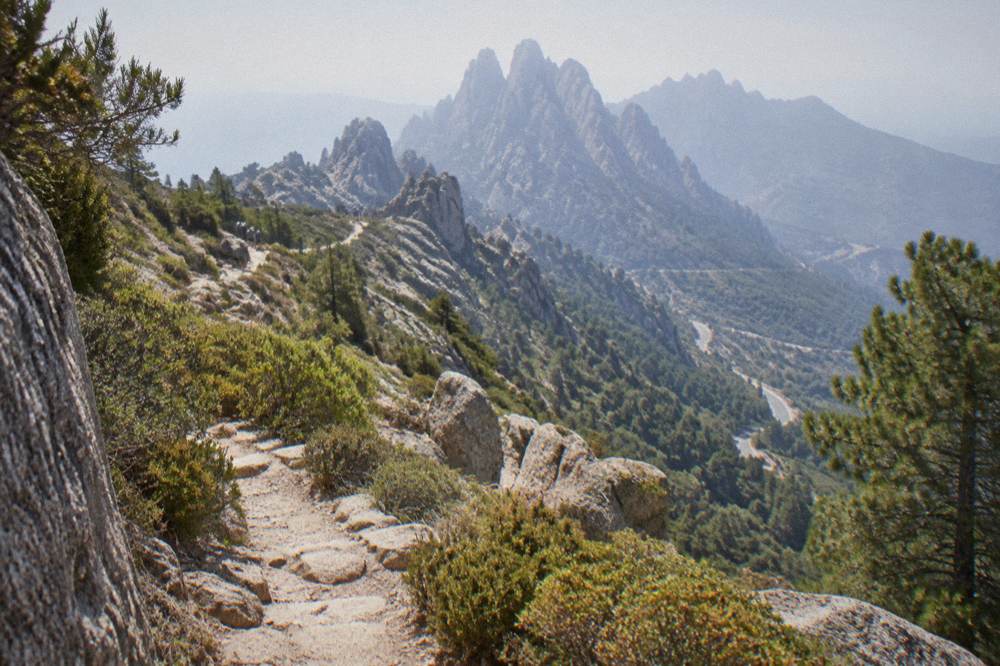
The GR20's northern start is Calenzana, and stage 1 to Ortu di u Piobbu is listed at about 6 h 30 out. The old Cirque de la Solitude section has been off the route since a fatal rockfall in 2015 and a variant replaces it, reported on hiking sources. For a gentler free walk, the Mare a Mare Sud at 73 km runs five days to Propriano, a town covered in the site's Sartène and the Valinco guide.
Which Villages And Viewpoints In Corsica Are Free?
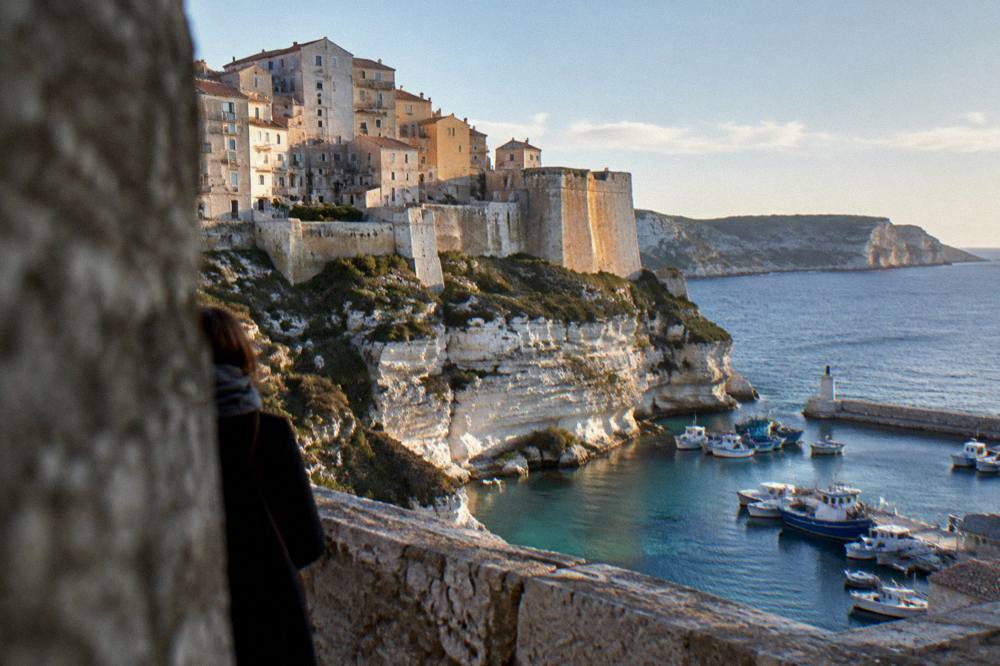
Village streets, harbours and roadside viewpoints across Corsica are free to wander, and the standouts include Nonza on the Cap Corse coast, Erbalunga and Centuri at the island's northern tip, and the viewpoints along the road through the Calanques de Piana. None of these charges admission. What is paid nearby is specific: the Escalier du Roi d'Aragon in Bonifacio, 189 steps cut down the cliff with a 180-degree view toward Sardinia, charges about EUR 5, and requires closed flat shoes. The citadel streets above it cost nothing, and the site's Bonifacio citadel and cliffs guide maps what is free and what is not.
| Place | Area | What is free |
|---|---|---|
| Nonza | Cap Corse | Village streets, beach and pebble shore viewpoint |
| Erbalunga | Cap Corse | Harbour and old lanes |
| Centuri | Cap Corse | Small port and seafront |
| Calanques de Piana road | Golfe de Porto | Public road, viewpoints and rock formations |
| Bonifacio citadel streets | Bonifacio | Upper town lanes; the Escalier itself is paid |
| Calvi citadel | Calvi | Rampart streets and harbour views |
The Cap Corse peninsula packs several of these into one drive, and the site's Cap Corse day trip itinerary shows the loop. For the rock scenery, the Golfe de Porto and Piana guide covers the coastal road in detail, and the free-access Scandola nature reserve page explains which parts of the UNESCO property can be seen without a boat.
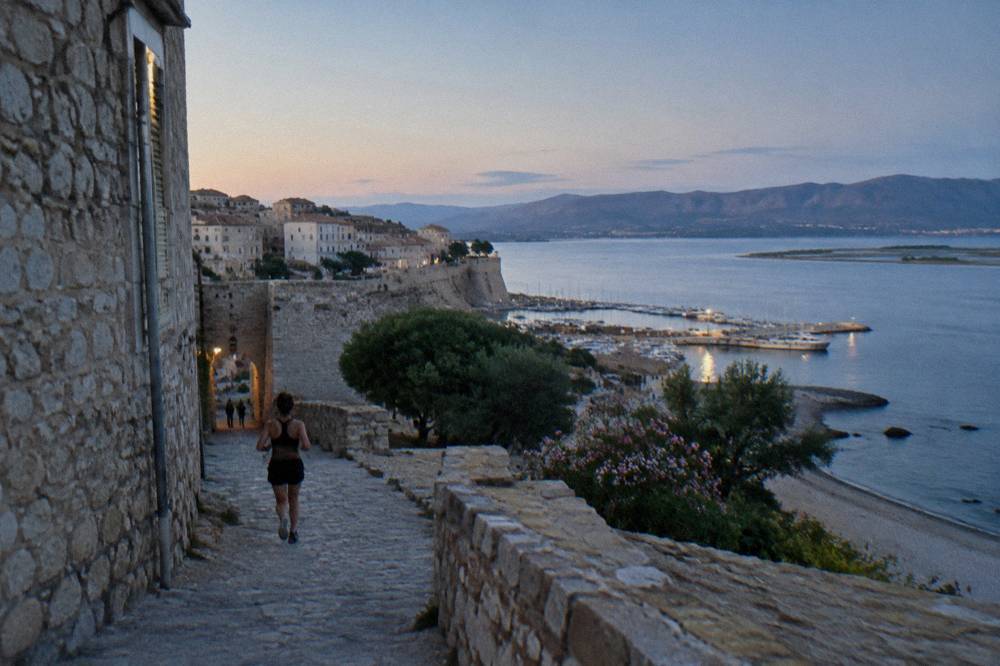
Inland, the Aiguilles de Bavella and the Restonica valley are also free to drive and walk into. No paid parking or shuttle rules for Bavella or the Restonica have been announced, so treat any parking arrangement you find as local and changeable. Mountain weather matters here: Météo-France publishes mountain forecasts and storm vigilance, and the standard advice is to avoid summits and ridges during storms. More of these guides are collected on Corsica Travel Guide.
What Can You Do For Free In Ajaccio And Bastia?
In Ajaccio the free layer is the old town around the birthplace museums, the market-quarter streets and the seafront walk toward the Îles Sanguinaires, while in Bastia it is the old harbour, the Terra Nova quarter streets and the citadel lanes. Both towns add cheap paid sightseeing if wanted: in Ajaccio an open-top bus tour with audio guide covers the town and coast, and in Bastia a boat trip runs from the old harbour, both bookable below. The Vieux Port of Bastia has its own site page, the Vieux Port de Bastia guide, and the wider town is in the Bastia guide.
Ajaccio's numbers frame the free walk. The town has 76,320 residents, per the census figure published in August 2026, and Bastia has 46,867, so both are compact enough to cover on foot in a day. The Îles Sanguinaires sit at the mouth of the Gulf of Ajaccio, and the coastal path toward them is free, with the Îles Sanguinaires guide covering the walking route and the paid boat alternative, which starts with the island's Sanguinaires boat trip page.
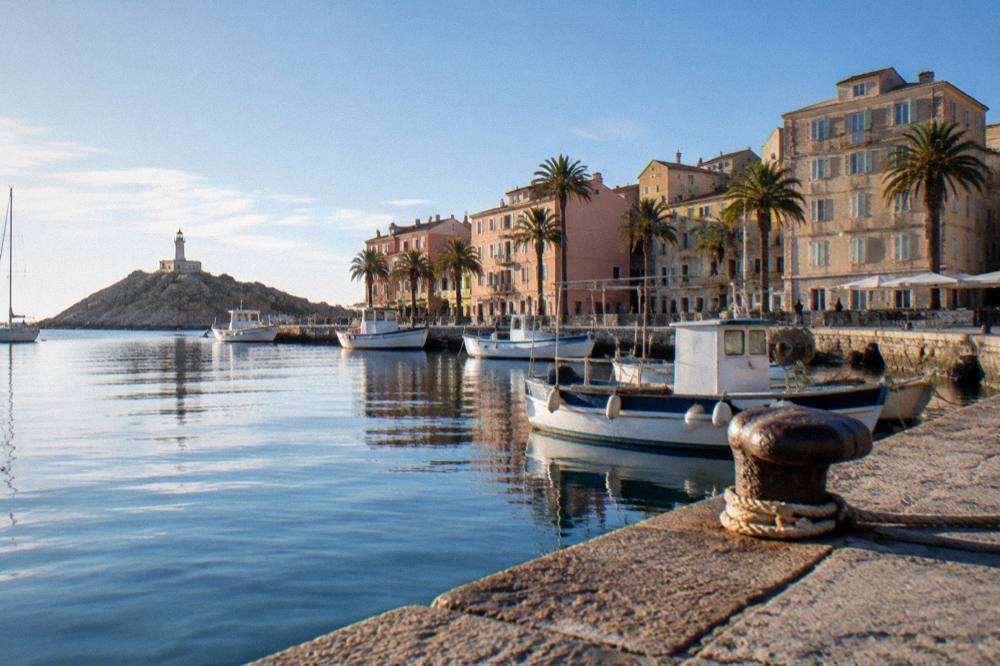
Bastia adds a museum option at the Palais des Gouverneurs, reported as open in high season 10:00 to 18:30 and in low season in morning and afternoon sessions, closed Sundays and Mondays. The town's paid sea trip from the old harbour is a third way to see the Cap Corse coast without driving it. Check availability if that appeals, and read the Saint-Florent and Patrimonio guide for the free village layer just west of the cape.
When Is The Best Free Season In Corsica?
The Météo-France 1991-2020 station normals for Ajaccio show the free season runs from May through October: July averages 8.6 mm of rain and 12 h 6 min of sunshine a day, August a mean daily high of 29.2 °C, and by November the rain figure climbs to 111.8 mm, so the warm, dry window for beaches and free walking is the summer half of the year. The station data also shows February with the lowest mean daily low at 4.3 °C, which places snow on the high mountains only, never on the coast. No single month is a fact; the figures are.
| Month | Ajaccio high °C | Ajaccio rain mm | Ajaccio sunshine h/day |
|---|---|---|---|
| May | 22.1 | 49.8 | 9.3 |
| June | 25.9 | 25.9 | 11.1 |
| July | 28.6 | 8.6 | 12.1 |
| August | 29.2 | 15.8 | 11.1 |
| September | 26.1 | 57.8 | 8.7 |
| October | 22.8 | 85.7 | 6.7 |
| November | 18.3 | 111.8 | 4.7 |
Bastia runs a shade wetter in autumn: its normals show October at 126.5 mm and November at 134.3 mm. The practical consequence for a free trip is timing. Summer gives you the beaches and the guarded refuges; spring and autumn give you the trails with fewer restrictions; winter gives you the museums and the villages, with the Musée de la Corse closed from 31 December to 14 January and Maison Bonaparte keeping shorter split hours from October to March. The site's weather by month guide and the best time to visit page build on the same station data.
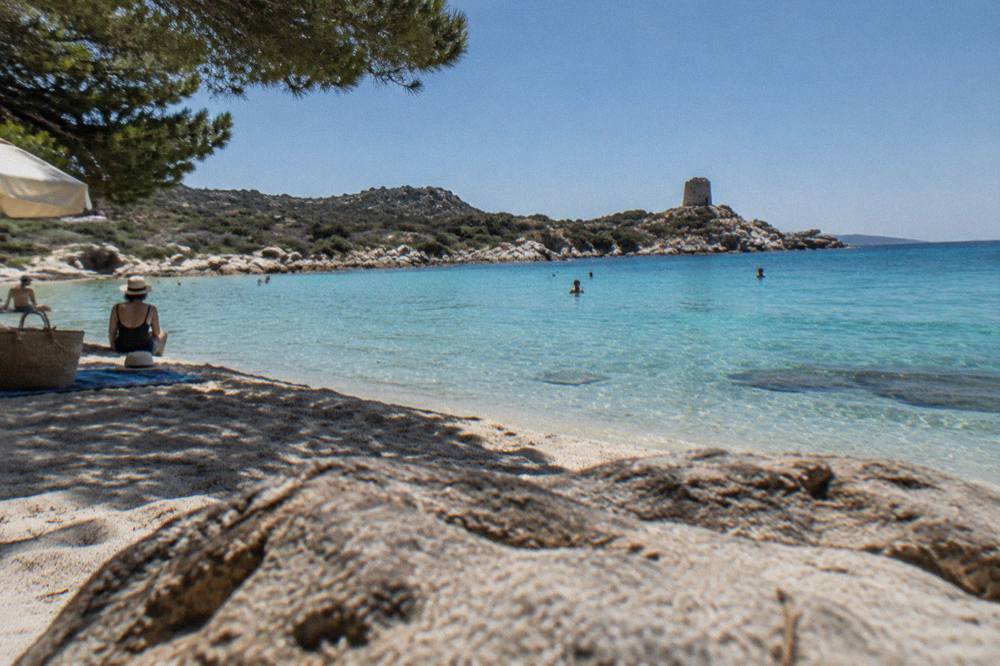
One safety rule comes with the season. The UK FCDO notes a high wildfire risk in France from April to October, and the island's own rule bans fires and smoking in forests, maquis and massifs from 15 June to 30 September. Emergency numbers are 112 for anything, 15 for medical, 17 for police, 18 for fire, 114 by SMS, and 196 at sea; the mountain rescue PGHM in Ajaccio answers on 04 95 24 24 00.
How Do You Build A Whole Free Day In Corsica?
A workable free day combines one public beach or coastal walk in the morning, a free village or citadel quarter at midday, and a viewpoint drive in the late afternoon, and the island's road network makes this possible from any base: Corte is 1 h 30 from both Ajaccio and Calvi, and Bonifacio is 2 h 45 from Corte itself. The only fixed costs are fuel, food and parking. Inforoutes Corse publishes live road conditions and accessibility levels for the main mountain passes, reported by the Collectivité de Corse's road service, so check it before any mountain drive.
A sample structure, drawn from the site's itineraries, might start with the Ostriconi beach in the Balagne, move to the citadel streets of Calvi, and end on the D81 viewpoints above the Calanques de Piana. A southern version would start at Palombaggia, wander the Porto-Vecchio old town, and finish at the Bonifacio cliffs. Families can follow the same skeleton with the Corsica with kids guide, and anyone stretching the trip should read Corsica in 5 days or Corsica in one week to place the free days inside a wider route.
Common Questions About Free Things In Corsica
Are Beaches In Corsica Free?
Yes. The beaches named on this page, from Palombaggia and Rondinara to Ostriconi, Saleccia and Lotu, are public and free to enter. The only costs are transport and, if you want them, optional paid shuttles such as the boat shuttle to the Agriates beaches from Saint-Florent, reported as seasonal.
Is Maison Bonaparte Free?
It is free for EU residents under 26 with proof, per the museum's own practical-information page. The full price is EUR 10, EUR 8 for non-EU residents aged 18 to 25 and large families, and the museum is closed on Mondays.
Can You Walk The GR20 For Free?
The path itself is free, but sleeping is not. Refuge bunks and bivouac pitches on the GR20 must be booked online and paid, at EUR 20 for a bunk and EUR 12 for a bivouac pitch per person in 2026, and wild camping is banned across Corsica. Day walks on the trail cost nothing.
Is The Calanques De Piana Road Free?
Yes, the road is public and the viewpoints along it cost nothing. The paid way to see the rock formations is from the sea, on one of the Scandola and Piana boat excursions.
Do You Have To Pay To Visit The Bonifacio Citadel?
The citadel streets are free to walk. The paid item inside Bonifacio is the Escalier du Roi d'Aragon, 189 steps cut down the cliff, at about EUR 5, with closed flat shoes required.
When Is The Calanques De Piana Viewpoint Open?
The public road through the Calanques de Piana is open year-round subject to road conditions, and Inforoutes Corse publishes live status for the island's roads, including the main passes. Check it before any coastal or mountain drive in poor weather.
The free layer of Corsica is not a trimmed-down version of the island; it is the island itself, its beaches, its villages, its viewpoints and its trails, with tickets attached only where a museum, a boat or a refuge bed sits behind a door. Plan around the free tiers, walk the paths that charge nothing, and spend only where the money buys something you actually want.