Bastia Airport
Bastia Airport, formally Bastia Poretta (BIA), is one of Corsica's four airports and the main gateway to Haute-Corse, the island's northern department. This guide covers where it sits, how the town and Cap Corse connect to it, the ferry alternative across the water, and what to do once you have landed.
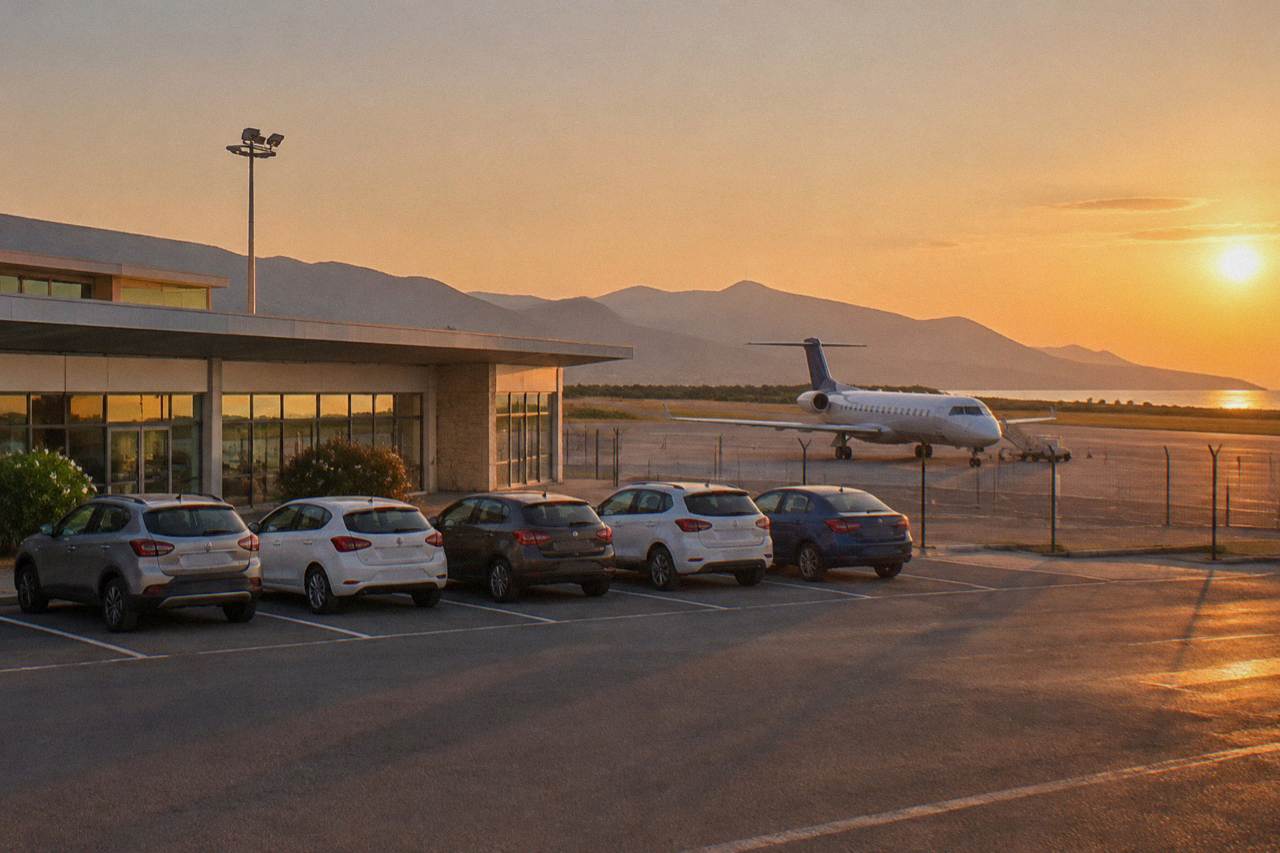
Bastia Airport (BIA), also called Bastia Poretta, is Corsica's airport for the north of the island, serving the town of Bastia, Cap Corse, the Balagne and the Désert des Agriates. Airlines reported to serve it include Air Corsica, Air France, easyJet and Volotea. From the airport, travellers reach Bastia and the rest of northern Corsica by road, and the town itself is also a major ferry port.
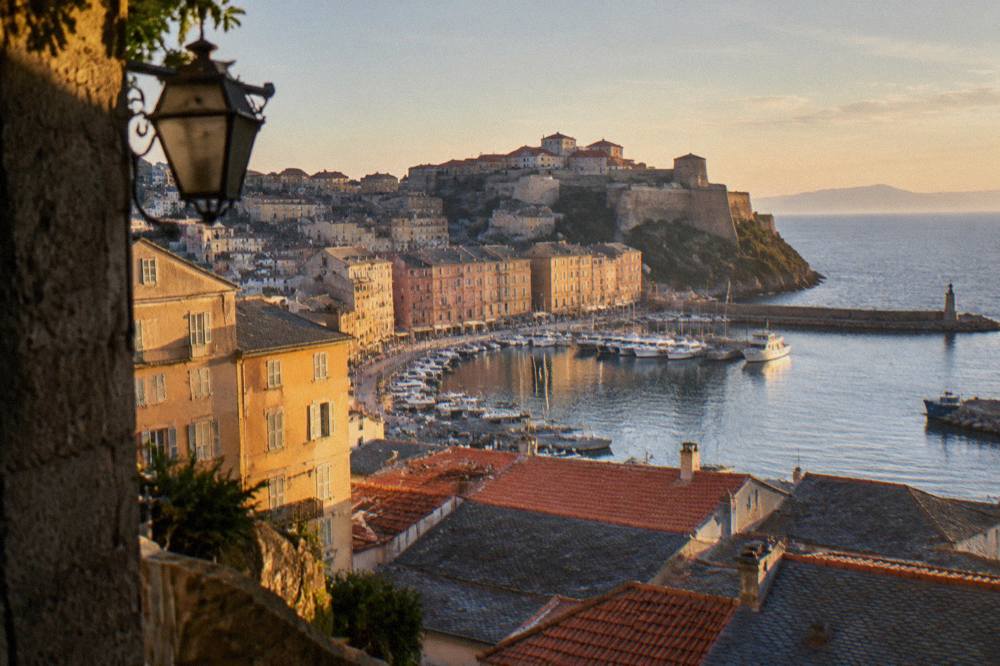
Bastia Airport, formally Bastia Poretta (BIA), sits on the east coast plain of Haute-Corse and serves as the air gateway to the north of Corsica, the French Mediterranean island with more than 1,000 km of coastline and a mountainous interior that rises to Monte Cinto at 2,706 m. Bastia itself is the island's second town, with 46,867 residents at the 2023 census, published in 2026, and its old harbor is one of the most photographed stretches of the Corsican coast. The airport and the ferry port between them make Bastia the busiest arrival point in the north, and this guide walks through landing here, getting moving, and deciding what to do next.
Where Is Bastia Airport In Corsica?
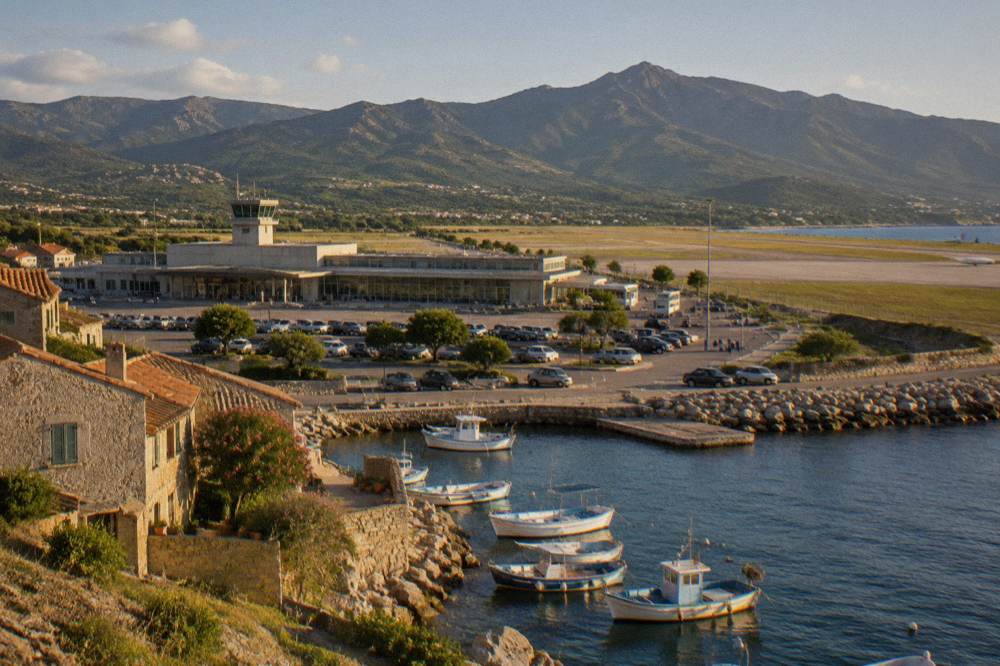
Bastia Airport, officially Bastia Poretta (BIA), is one of Corsica's four airports, and it sits in Haute-Corse, the island's northern department, on the coastal plain south of the town of Bastia. The island's other airports are Ajaccio Napoléon Bonaparte (AJA), Figari Sud Corse (FSC) and Calvi Sainte-Catherine (CLY). Bastia is the island's second town by population, with 46,867 residents.
Corsica covers 8,722 km2 and is the fourth-largest island in the Mediterranean, and Bastia anchors its northeast corner. The town faces the Ligurian Sea, with the Italian mainland ports of Livorno, Savona and Genoa within ferry range, which is why Bastia has always been the island's front door for arrivals from Italy. Elba and the Tuscan coast sit on the horizon on clear days, and the Strait of Bonifacio with Sardinia lies at the far southern end of the island.
The airport's location matters for planning. Haute-Corse holds about 190,500 residents according to INSEE's 2026 estimates, and the department stretches from Bastia west to the Balagne, south to Corte and the interior, and north up the finger of land called Cap Corse. Anyone based in Bastia can reach Corte by road in about one hour, a figure given on the Musée de la Corse's own practical page, and the same page gives one hour thirty from Calvi, two hours from Porto-Vecchio and two hours forty-five from Bonifacio or Propriano. Those road times make Bastia a workable single base for a trip that mixes coast, mountains and the old capital at Corte.
For a wider view of all four air gateways, the Corsica airports overview compares them, and flights to Corsica covers the route picture from mainland France and beyond.
| Airport | Code | Department | Serves |
|---|---|---|---|
| Bastia Poretta | BIA | Haute-Corse | Bastia, Cap Corse, the Balagne, Corte |
| Ajaccio Napoléon Bonaparte | AJA | Corse-du-Sud | Ajaccio, the west coast, Porto and Piana |
| Figari Sud Corse | FSC | Corse-du-Sud | Bonifacio, Porto-Vecchio, the far south |
| Calvi Sainte-Catherine | CLY | Haute-Corse | Calvi, L'Île-Rousse, the Balagne coast |
Which Airlines Serve Bastia Airport In Corsica?
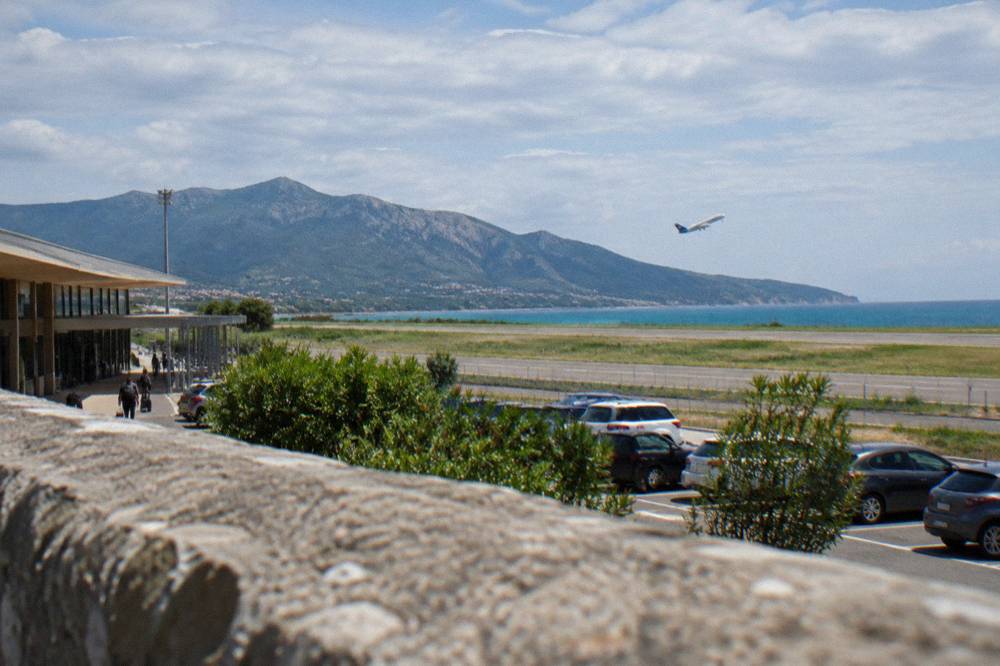
Airlines reported to serve Bastia Poretta include Air Corsica, Air France, easyJet and Volotea, alongside other seasonal operators, and the airport is one of the busiest of Corsica's four for summer leisure traffic. Exact routes change with the seasons, so confirm the current schedule before booking a flight. More than 8.5 million passengers passed through Corsica's ports and airports combined in 2025, according to the ORTC and DREAL annual report published in May 2026.
The route picture at Bastia follows the classic Corsican pattern: dense links to mainland France through the summer, thinner schedules in winter, and a strong Italian connection thanks to the short sea crossings from Livorno and Genoa. Air Corsica, the island's own carrier, is reported to connect Bastia with mainland French cities year round, while the low-cost carriers concentrate capacity in the July and August peak. Anyone flying in July or August should treat car hire and accommodation as things to arrange well ahead, and anyone travelling in the shoulder months of May, June or September will find the island quieter on the roads.
Flight prices are not printed on this page and never will be, because fares move constantly. What the sources do give is structure: four airports, a reported airline list, and the fact that the island's transport system carried more than 8.5 million passengers through its ports and airports in 2025 excluding cruise passengers. That figure, published 30 May 2026, tells you the scale of the summer movement onto and off the island, and why summer booking discipline matters here more than almost anywhere in France.
For trips built around the water rather than the roads, these three experiences depart from the Bastia area and the far south.
How Do You Get From Bastia Airport Into Bastia And Beyond?
The sources describe road transport as the practical link between Bastia Poretta and the town: hire cars, taxis and shuttle services all operate at Corsican airports, but no fare, timetable or journey time for any of them appears in the island's primary sources, so arrange and confirm directly with operators. Once in Bastia, the Chemins de fer de la Corse network is reported to run three lines: Ajaccio to Bastia via Corte, Ponte-Leccia to Calvi, and the Balagne coastal line from Calvi to L'Île-Rousse.
That railway picture deserves a pause, because it surprises many first-time visitors. Corsica has a real train network, narrow-gauge and mountain-hugging, and its existence shapes how a Bastia-based trip can work. The line south from Bastia runs inland through Ponte-Leccia and Corte to Ajaccio, the line to Calvi branches at Ponte-Leccia, and the Balagne coastal stretch between Calvi and L'Île-Rousse functions as a seaside tramway with stops within walking distance of beaches. Timetables live on the operator's site and change by season, so treat the train as a scenery choice rather than a clock-saving one until you have checked the current schedule yourself.
On the road side, the A-list practicalities are these. Car hire desks serve the airport through the summer, and the island's driving culture rewards confidence: mountain roads are narrow, passes close in bad weather, and Inforoutes Corse, the official road-information service, publishes live conditions and accessibility levels for the main cols, reported at inforoutes.isula.corsica. The Corsica car rental guide covers the hire picture in detail, driving in Corsica explains the mountain-road reality, and the wider getting around Corsica page compares car, train and ferry options.
Between the road and the rail, one planning note earns its place here: from Bastia, Corte is about one hour by road, per the Musée de la Corse's practical page, and Corte is the natural inland day trip from the airport, with the Gorges de la Restonica above the town and the old citadel housing the Musée de la Corse for EUR 5.50 full price, one ticket covering both museum and citadel.
| Chemins de fer de la Corse line | Route | Notes |
|---|---|---|
| Main line | Ajaccio to Bastia via Corte | Reported, crosses the island's mountain spine |
| Calvi branch | Ponte-Leccia to Calvi | Reported, branches at Ponte-Leccia |
| Balagne coastal line | Calvi to L'Île-Rousse | Reported, coastal stops near beaches |
Do You Need A Car If You Fly Into Bastia Airport?
For a trip built around Bastia, Cap Corse and the far south's boat trips, a car is useful but not strictly necessary, because Bastia is compact, walkable and connected by train to the Balagne and by ferry to Italy, while the Cap Corse peninsula, the Balagne villages and the Désert des Agriates are far easier with wheels.
The Désert des Agriates beaches of Saleccia and Lotu are reported reachable by boat shuttle from Saint-Florent roughly April to October, weather permitting, by 4x4 track from Casta, or on foot.
The honest breakdown depends on what the trip is for. Staying in Bastia itself, in the streets between the Vieux Port and the Citadelle, needs no car at all: the town's two harbors, its museums and its restaurants sit within a walk of each other, and the is Bastia worth visiting answer runs through what the town itself holds. The Musée de Bastia in the Palais des Gouverneurs is reported to open 10:00 to 18:30 in high season and 09:00 to 12:00 plus 14:00 to 17:00 in low season, closed Sundays and Mondays, with confirmation advised before a visit.
A car earns its keep the moment the itinerary leaves town. Cap Corse, the finger of land north of Bastia with villages such as Nonza and Erbalunga and the fishing port of Centuri, is a road peninsula, and the Patrimonio wine appellation sits at its base on the Saint-Florent side, as reported by the tourism board. The Balagne, Calvi and L'Île-Rousse to the west, and Corte and the interior to the south, all reward independent movement. The trade-off is mountain driving: single-lane passes, summer traffic on the coast road, and livestock on the road.
Between the two extremes sits a middle path many travellers take: a few car-free days in Bastia with a boat trip or a walking tour, then a hire car picked up for the second half of the stay. The small-group boat day trips below work straight from the harbor area.
The La Maddalena and Îles Lavezzi trip, departing from Bonifacio at the island's southern tip, pairs naturally with a split-base itinerary, north first then south. Its companion pages explain the sailing in detail, and Check availability covers live dates and pricing.
Should You Fly Into Bastia Or Arrive By Ferry?
Bastia is both an airport town and one of Corsica's main ferry ports, and the choice between flying and sailing comes down to where you start: ferries reach Bastia from Marseille with Corsica Linea, from Livorno with Moby and Corsica Ferries, from Genoa with Moby, and from Savona, Toulon and Nice with Corsica Ferries, while reported crossing ranges run from about 4 to 5 hours on the Livorno run to about 12 to 13 hours overnight from Marseille.
The ferry map is worth learning before booking anything, because Bastia is the best-connected Corsican port from Italy. The operator picture is this: Corsica Linea sails Marseille to L'Île-Rousse, Bastia, Propriano and Ajaccio; La Méridionale sails Marseille to Ajaccio and Marseille to Porto-Vecchio; Moby sails Livorno to Bastia, Genoa to Bastia and Santa Teresa Gallura to Bonifacio; and Corsica Ferries sails from Toulon and Nice to Ajaccio, Bastia, L'Île-Rousse, Porto-Vecchio and Propriano, plus Livorno and Savona to Bastia. Moby and Ichnusa Lines have kept the short Santa Teresa Gallura to Bonifacio route under a renewed authorisation reported in October 2026. The full index of guides sits on Corsica Travel Guide.
Crossing times, reported by an aggregator and quoted only as ranges, look like this: Livorno to Bastia about 4 to 5 hours, Savona to Bastia about 6.5 hours, Genoa to Bastia about 5 to 5.5 hours seasonal, Nice to Bastia about 7.5 to 10 hours, Toulon runs about 10 to 13 hours, Marseille about 12 to 13 hours mostly overnight, and Santa Teresa Gallura to Bonifacio about 50 to 60 minutes. The full picture, including the Sardinia link, sits in the ferry to Corsica guide, with the Nice to Corsica ferry and Corsica Sardinia ferry pages covering those two crossings in depth.
| Route to Bastia | Operator | Crossing range |
|---|---|---|
| Livorno to Bastia | Corsica Ferries, Moby | About 4 to 5 hours |
| Genoa to Bastia | Moby | About 5 to 5.5 hours, seasonal |
| Savona to Bastia | Corsica Ferries | About 6.5 hours |
| Nice to Bastia | Corsica Ferries | About 7.5 to 10 hours |
| Toulon to Bastia | Corsica Ferries | About 10 to 13 hours |
| Marseille to Bastia | Corsica Linea | About 12 to 13 hours, often overnight |
What Can You Do Around Bastia After Landing?
Bastia's own draw is its harbor-and-citadel townscape plus the Cap Corse peninsula and Saint-Florent within easy reach, and the experiences departing from the area include a Grand Tour cruise from the old harbor, a small-group historical walking tour of the town, canyon trips inland and boat excursions up the Cap Corse coast, while the airport's position makes day trips to Corte, about one hour by road, straightforward.
Start with the town. Bastia's old harbor, the Vieux Port, sits below the citadel, and the whole ensemble is walkable from end to end. The Museum of Bastia hours are given above; the rest of the town's pleasures are structural: two harbors, a grid of narrow streets behind the port, and the citadel terrace above. From the old harbor, the Grand Tour cruise departs for a half-day at sea along the Cap Corse coast, and the unusual guided walking tour of Bastia, led in small groups, works through the town's layered past from the streets themselves.
North of town, Cap Corse fills a full day: the peninsula's west-coast road passes Nonza with its grey-slate beach below the village, Centuri's fishing harbor sits at the top, and Erbalunga guards the east coast. The Cap Corse guide and the Cap Corse day trip pages cover the peninsula in detail. West of Bastia lies the Balagne, the hillside region behind Calvi and L'Île-Rousse that the island's coastal railway threads, covered in the Calvi and the Balagne guide. South lies Corte and, beyond it, the whole of the island's mountain heart described in Corte and the interior.
The one essential day trip the sources single out from the north coast is the Désert des Agriates, the protected coastal wilderness between Saint-Florent and the Balagne whose beaches, Saleccia and Lotu, are reported reachable by boat shuttle from Saint-Florent about April to October weather permitting, by 4x4 track from Casta, or on foot. The Désert des Agriates day trip page lays out the options.
What Is The Weather Like In Bastia?
Bastia's climate, per the Météo-France station normals for 1991 to 2020, is a hot dry summer and a mild wet winter: July averages 13.8 mm of rain and a mean daily high of 29.4 °C, August highs average 29.8 °C, and November carries 134.3 mm of rain, with October close behind at 126.5 mm, while snow falls only on the high mountains inland.
The station table rewards a close read, because Bastia runs slightly wetter than Ajaccio on the west coast: 816.9 mm of rain across the year against Ajaccio's 635.0 mm, with the autumn months carrying the load. November averages 134.3 mm and October 126.5 mm at the Bastia station, while July drops to 13.8 mm and June to 38.8 mm. Mean daily highs climb from 13.8 °C in January to 29.8 °C in August, and mean daily lows sit between 5.1 °C in February and 19.8 °C in August.
| Month | Mean high °C | Mean low °C | Rain mm | Sunshine h/day |
|---|---|---|---|---|
| Jan | 13.8 | 5.4 | 67.3 | 4.5 |
| Feb | 13.9 | 5.1 | 63.5 | 5.5 |
| Mar | 15.8 | 6.8 | 63.7 | 6.3 |
| Apr | 18.3 | 9.1 | 71.6 | 7.3 |
| May | 22.4 | 12.6 | 53.7 | 8.7 |
| Jun | 26.4 | 16.5 | 38.8 | 10.2 |
| Jul | 29.4 | 19.4 | 13.8 | 11.2 |
| Aug | 29.8 | 19.8 | 21.1 | 10.1 |
| Sep | 26.0 | 16.7 | 74.5 | 7.9 |
| Oct | 22.0 | 13.4 | 126.5 | 5.9 |
| Nov | 17.7 | 9.5 | 134.3 | 4.5 |
| Dec | 14.8 | 6.4 | 88.1 | 4.5 |
For a month-by-month view across the whole island, the Corsica weather by month guide holds both station tables, and the best time to visit Corsica weighs them against ferry, flight and hiking seasons without naming a single "best month".
What Practical And Safety Information Applies At Bastia Airport And Around Bastia?
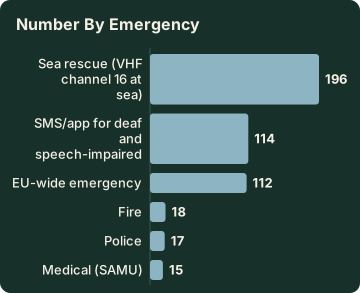
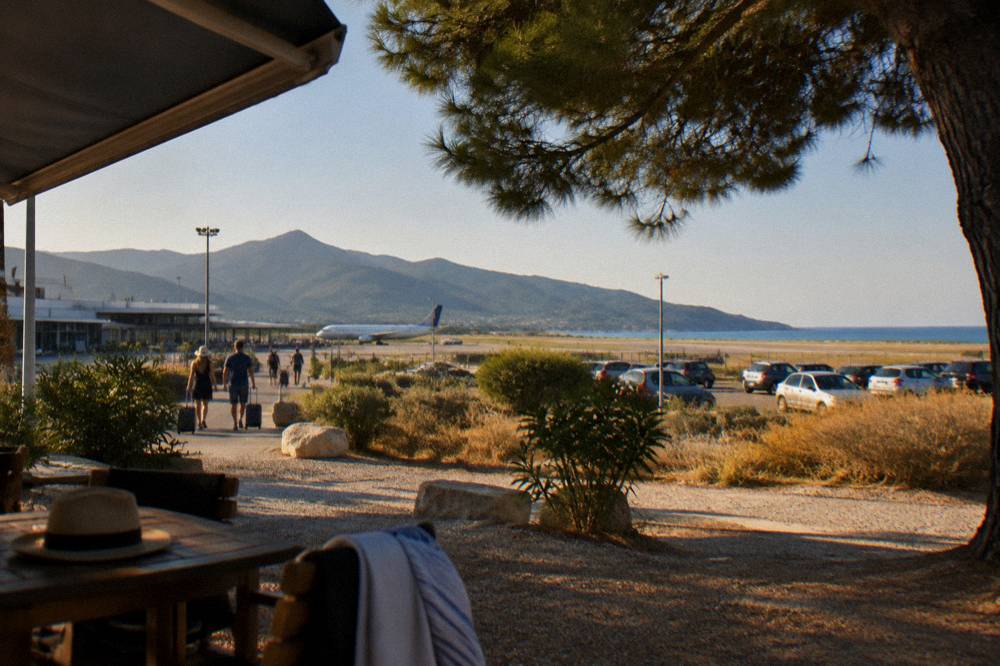
Corsica's emergency numbers are 112 for the EU-wide service, 15 for medical (SAMU), 17 for police, 18 for fire, 114 by SMS or app for deaf and speech-impaired callers, and 196 for sea rescue via VHF channel 16, while mountain rescue in Corsica is reached through PGHM Ajaccio on 04 95 24 24 00 or, in an emergency, 112 or 17, and the currency across the island is the euro.
A few island-wide rules matter more here than on a mainland French trip. From 15 June to 30 September it is forbidden to light fires or smoke in forests, maquis and massifs across Corsica, and a fire-risk access map for the massifs is updated at 18:00 each day for the following day, with access to some massifs restricted from mid-June to mid-September when danger levels rise. The UK Foreign Office notes a high wildfire risk in France from April to October, and the US State Department lists France at Level 2, Exercise Increased Caution, reported on its advisory page. Hikers should read the GR20 guide and the wider hiking in Corsica pages before heading into the mountains, where the same fire rules apply.
On the water, lifeguard coverage follows a fixed summer pattern: Ajaccio runs seven lifeguard posts from 1 July to the end of August, and Haute-Corse's supervised beaches, including those around Bastia and Cap Corse, are reported staffed by volunteer firefighters from about 1 July to 31 August. Outside those weeks, swim with the usual Mediterranean caution and respect flag systems. For beach planning across the island, the Corsica beaches guide maps the main stretches.
| Emergency | Number |
|---|---|
| EU-wide emergency | 112 |
| Medical (SAMU) | 15 |
| Police | 17 |
| Fire | 18 |
| SMS/app for deaf and speech-impaired callers | 114 |
| Sea rescue (VHF channel 16 at sea) | 196 |
| PGHM mountain rescue, Ajaccio base | 04 95 24 24 00 |
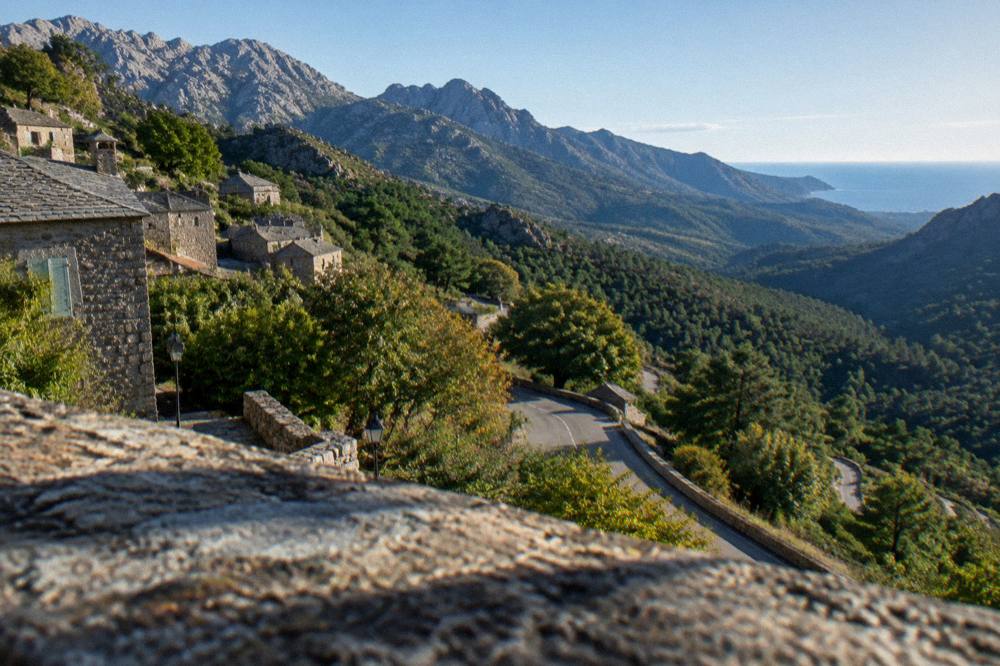
Two more practicalities close the set. Tipping in France, per the official DGCCRF guidance, works on a "prix service compris" basis: displayed prices include service, and any extra tip is voluntary, so nobody owes a percentage on top of a Bastia restaurant bill. And road conditions, the one thing that genuinely changes week to week on a mountain island, are published live by Inforoutes Corse with accessibility levels for the main cols, a habit worth adopting before any long drive from the airport.
Where Should You Stay After Flying Into Bastia Airport?
The natural bases after landing at Bastia Poretta are Bastia itself for a car-free city stay, Saint-Florent for the Désert des Agriates and Cap Corse beaches, the Balagne around Calvi and L'Île-Rousse for a beach-and-railway holiday, and Corte for the interior and hiking, with road times putting Corte about one hour from Bastia, Calvi about one hour thirty, and the far-south towns of Bonifacio and Propriano about two hours forty-five away.
Bastia town suits a first or last night especially well, since the ferry port and the airport both feed into it and the Bastia area guide covers the neighbourhoods. From there the split-base logic takes over: north and west for Cap Corse, Saint-Florent and the Balagne; south and inland for Corte, the Restonica and, at the far end, Bonifacio and the Îles Lavezzi. The where to stay in Corsica guide covers the whole island's bases, and the luxury hotels in Corsica page covers the top end; no nightly rate is quoted anywhere on this site, since none is licensed.
Common Questions About Bastia Airport In Corsica
How Many Airports Does Corsica Have?
Corsica has four airports: Bastia Poretta (BIA), Ajaccio Napoléon Bonaparte (AJA), Figari Sud Corse (FSC) and Calvi Sainte-Catherine (CLY). Bastia Poretta serves the north of the island, including Cap Corse, the Balagne and Corte.
Is Bastia Airport The Same As Bastia Poretta?
Yes. Bastia Airport's official name is Bastia Poretta, and its IATA code is BIA. It sits in Haute-Corse, the island's northern department, and serves the town of Bastia, home to 46,867 residents at the 2023 census.
Which Airlines Fly To Bastia Airport?
Airlines reported to serve Bastia Poretta include Air Corsica, Air France, easyJet and Volotea, along with other seasonal operators. Schedules change through the year, so confirm current routes when booking.
Can You Take A Train From Bastia?
Yes. The Chemins de fer de la Corse network is reported to run three lines: Ajaccio to Bastia via Corte, Ponte-Leccia to Calvi, and the Balagne coastal line from Calvi to L'Île-Rousse. Check the operator's current timetable before planning a journey.
Which Ferries Go To Bastia?
Corsica Linea sails Marseille to Bastia, Moby sails Livorno and Genoa to Bastia, and Corsica Ferries is reported to sail Toulon, Nice, Livorno and Savona to Bastia. Reported crossing ranges run from about 4 to 5 hours from Livorno to about 12 to 13 hours overnight from Marseille.
Do You Need A Car At Bastia Airport?
Not for a stay in Bastia itself, which is walkable and connected by train and ferry, but a car makes Cap Corse, the Balagne, the Désert des Agriates and Corte far easier. The Saleccia and Lotu beaches are reported reachable by boat shuttle from Saint-Florent about April to October, weather permitting.
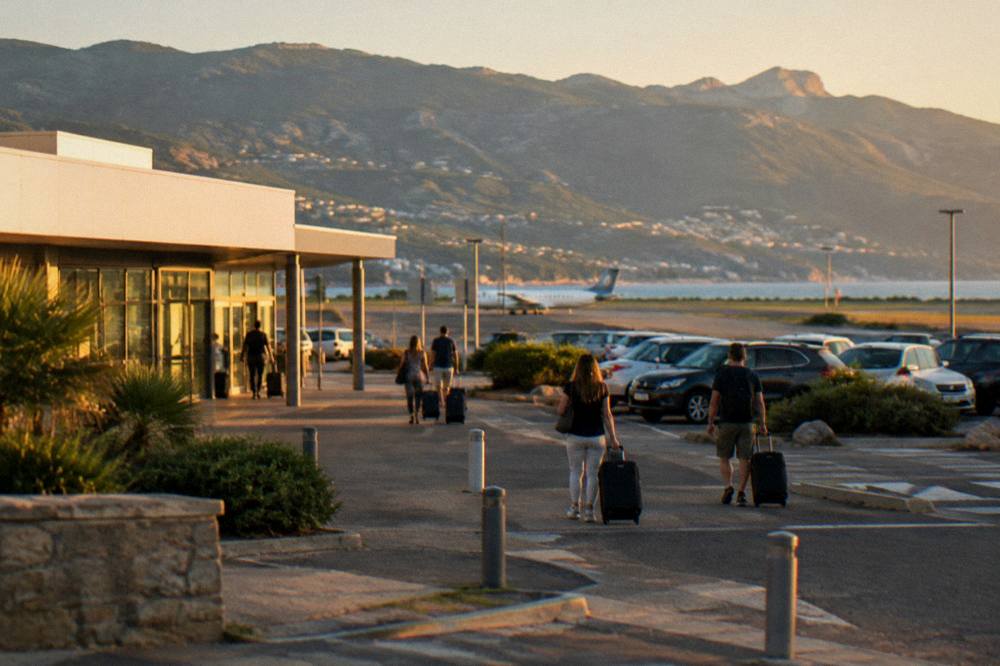
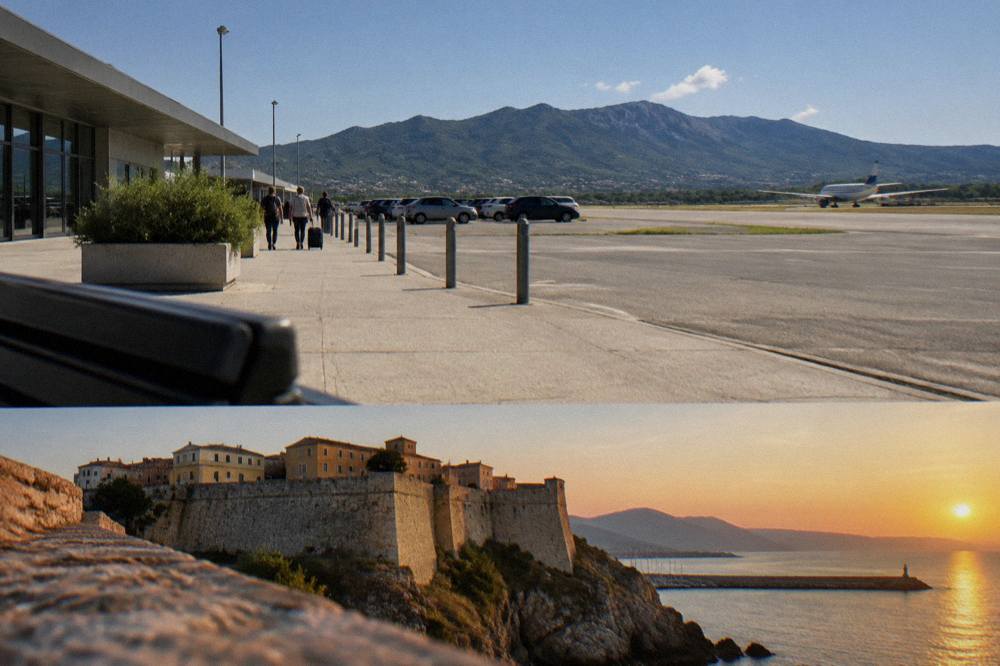
Bastia Poretta opens the north of Corsica better than any other arrival point on the island: one airport, one major ferry port, a mountain railway and a peninsula's worth of coast within an hour or two of the terminal, all of it waiting once the bags are collected and the road opens south.