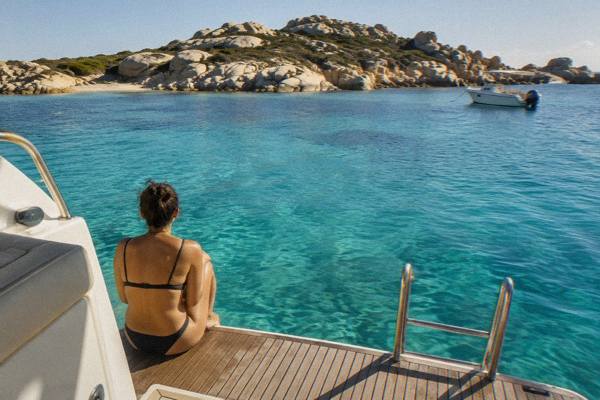
Sardinia To Corsica Ferry
The shortest sea link between Corsica and Sardinia runs from Santa Teresa Gallura to Bonifacio in under an hour, and it turns the two islands into one combined trip.
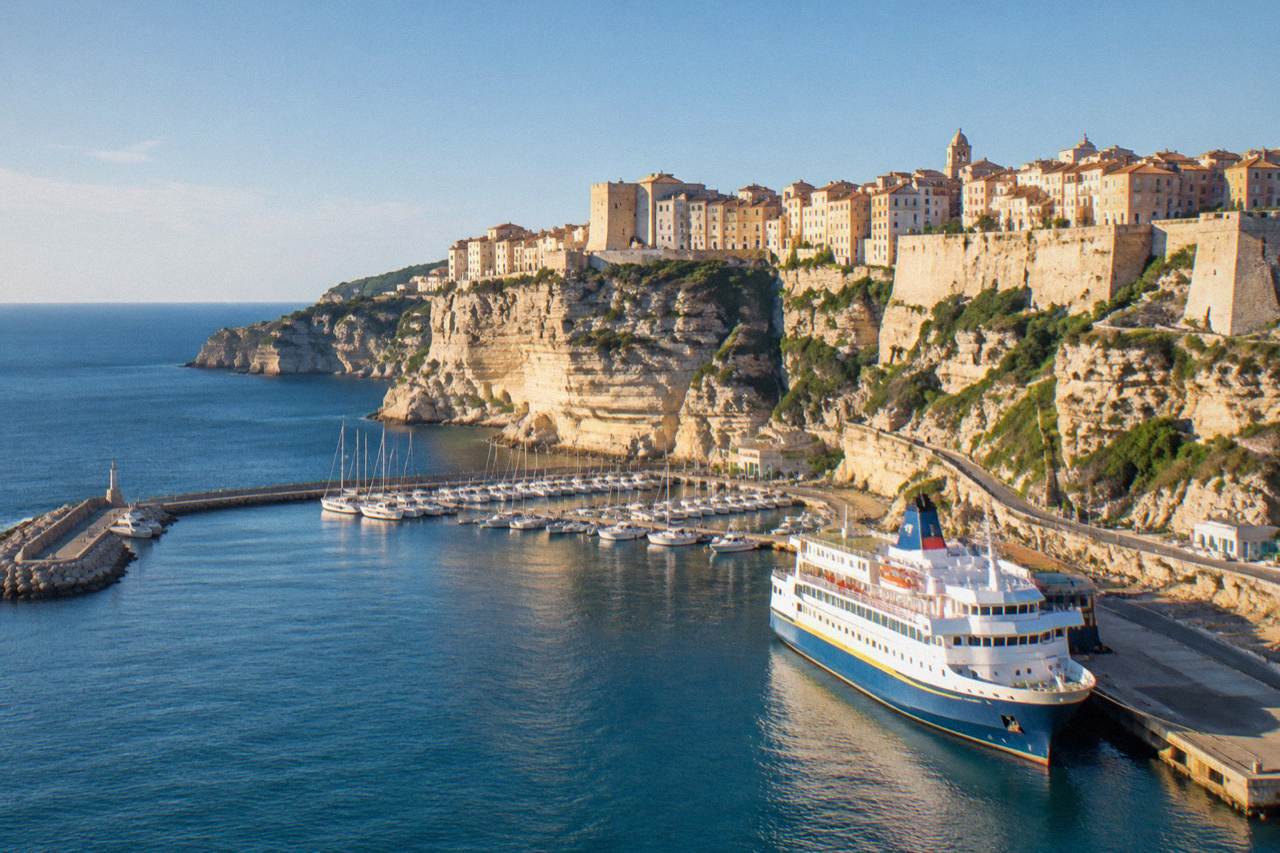
The Sardinia to Corsica ferry runs from Santa Teresa Gallura to Bonifacio, is operated by Moby and Ichnusa Lines, and takes about 50 to 60 minutes, per reports on the route.
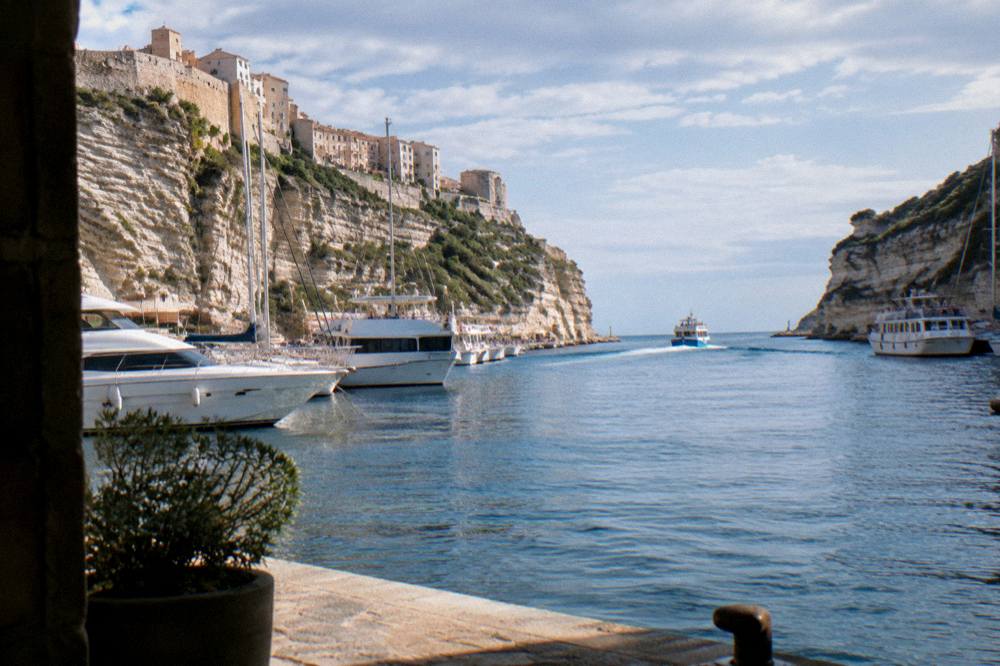
Two Mediterranean islands sit close enough at their southern and northern tips that a ferry covers the gap in under an hour. The Sardinia to Corsica ferry links Santa Teresa Gallura, at the northern end of Sardinia, with Bonifacio, the town perched on limestone cliffs at the southern tip of Corsica, and the route is the shortest practical crossing between the two islands. Moby and Ichnusa Lines operate the link, and a report of 9 October 2026 confirmed the two operators kept the route after Sardinia found no rival bidder, so the connection continues under its public service arrangement. This page from the Corsica Travel Guide covers the route itself, the operators, the reported crossing time, the ports on both sides, and what to do on the Corsican side once the ferry docks.
What Is The Sardinia To Corsica Ferry Route?
The Sardinia to Corsica ferry connects Santa Teresa Gallura in northern Sardinia with Bonifacio at the southern tip of Corsica, a crossing of about 50 to 60 minutes reported for the route. Moby and Ichnusa Lines operate it, and a report of 9 October 2026 said the operators kept the route after Sardinia found no rival bidder, extending the public service arrangement into the following season.
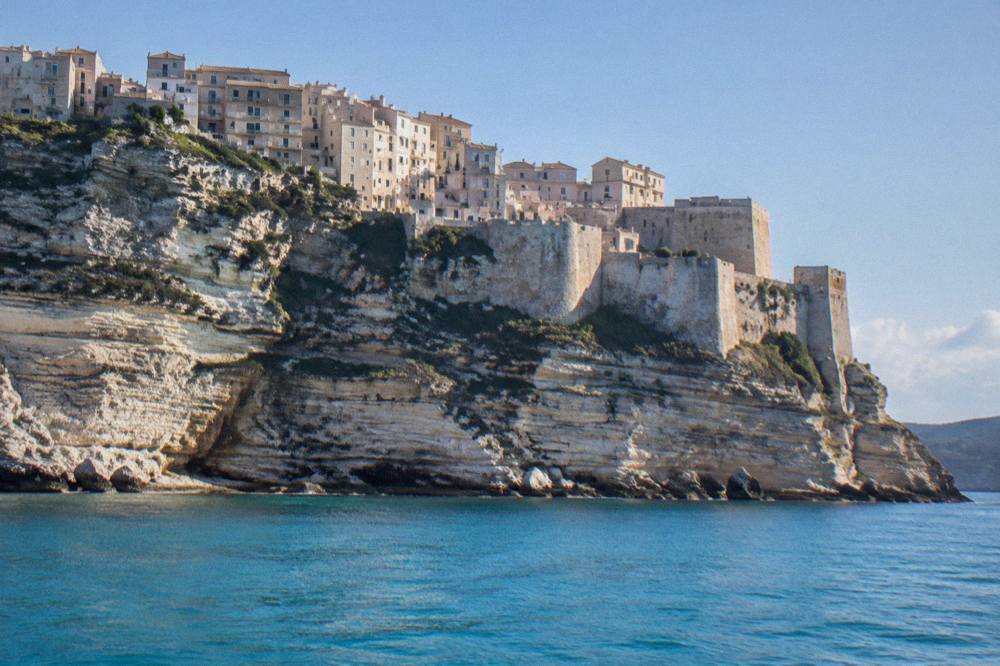
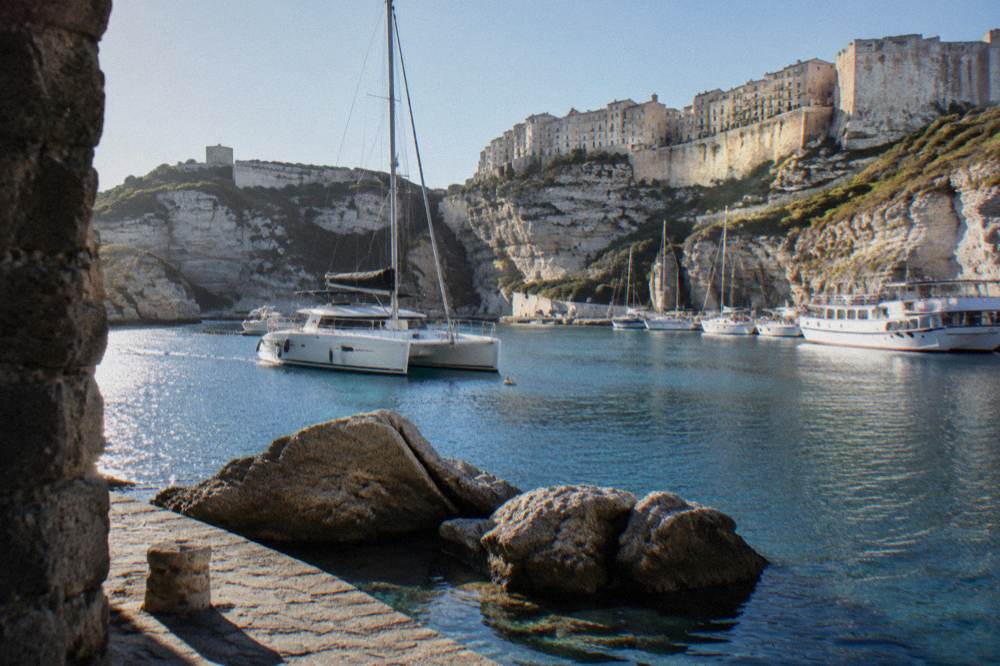
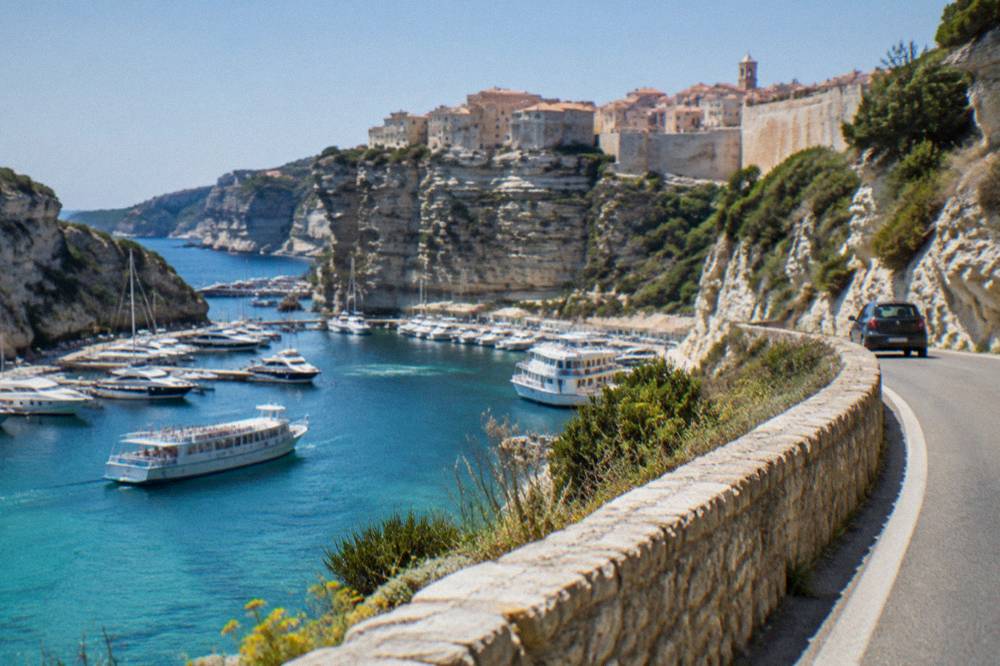
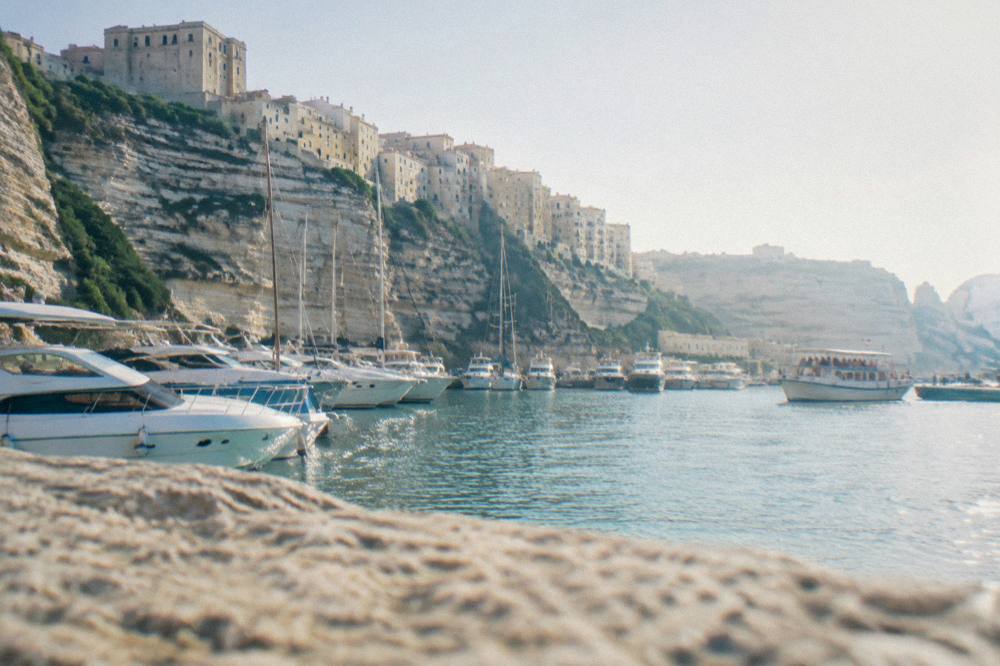
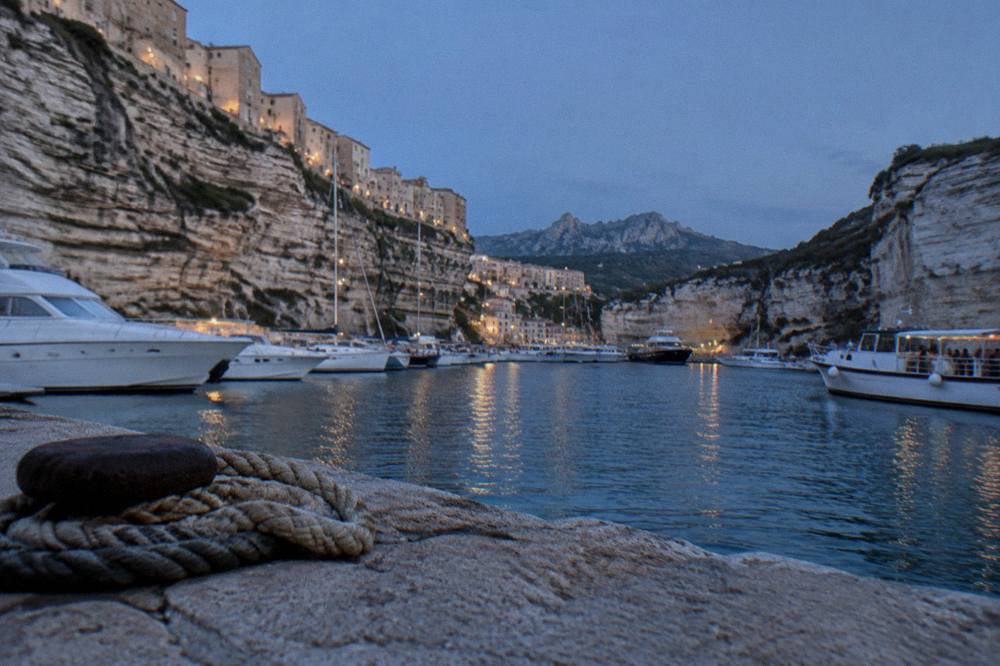
That single short hop is the only sea link between the two islands. Bonifacio sits on the south coast of Corsica, facing Sardinia across the Strait of Bonifacio, and the town's harbour sits below the cliffs that carry the old citadel. Santa Teresa Gallura is the Sardinian terminus, on the north coast of the island facing Corsica. The strait between them is also where the Bouches de Bonifacio nature reserve lies, a protected marine area managed by the Office de l'Environnement de la Corse, reported in prefectural documents, and the Îles Lavezzi sit inside it. The crossing is short, but the water it crosses is a regulated reserve, which is part of why boat traffic here operates under rules that do not apply everywhere on the Corsican coast.
For anyone planning a combined trip, the route means the two islands behave like neighbours rather than separate destinations. A morning in Sardinia can become an afternoon in Corsica, and the return leg runs the same day. The ferry ports on each side are small compared with the great mainland gateways at Ajaccio and Bastia, and the whole operation is sized for a strait crossing rather than an overnight sailing.
Which Operators Run The Sardinia To Corsica Ferry?
Moby and Ichnusa Lines run the Sardinia to Corsica ferry between Santa Teresa Gallura and Bonifacio. Moby sails the route alongside its other Corsica services from Livorno, Genoa and Santa Teresa Gallura to Bastia and Bonifacio, while Ichnusa Lines focuses on the short Sardinia link, and both were confirmed as retaining the route in October 2026.
Moby is the operator with the wider Corsica network. The company's own announcement, reported for the 2026 season, covers Livorno to Bastia, Genoa to Bastia and Santa Teresa Gallura to Bonifacio. Ichnusa Lines shares the Sardinia link, and the October 2026 report on the route's renewal named both companies together. The other big operators serving Corsica, Corsica Ferries, Corsica Linea and La Méridionale, work the mainland routes from France and Italy rather than the Sardinia crossing.
| Operator | Corsica routes served | Route type |
|---|---|---|
| Moby | Livorno to Bastia, Genoa to Bastia, Santa Teresa Gallura to Bonifacio | From the operator's announcement |
| Ichnusa Lines | Santa Teresa Gallura to Bonifacio | From the route renewal report |
| Corsica Linea | Marseille to L'Île-Rousse, Bastia, Propriano and Ajaccio | Mainland France, no Sardinia link |
| La Méridionale | Marseille to Ajaccio and Marseille to Porto-Vecchio | Mainland France, no Sardinia link |
| Corsica Ferries | Reported: Toulon and Nice to Ajaccio, Bastia, L'Île-Rousse, Porto-Vecchio and Propriano, plus Livorno and Savona to Bastia | Mainland France and Italy, no Sardinia link |
Timetables on a strait crossing can shift with the season, so confirm the day's sailings with the operator before travelling. The combined traffic through Corsica's ports and airports gives a sense of scale: more than 8.5 million passengers, cruise passengers excluded, passed through in 2025 according to the ORTC and DREAL annual report published on 30 May 2026, and the Sardinia link is one small piece of that flow.
How Long Does The Sardinia To Corsica Ferry Take?
The crossing from Santa Teresa Gallura to Bonifacio takes about 50 to 60 minutes, a figure reported for the route, which makes it by far the fastest ferry link into Corsica from any direction. The mainland crossings for comparison are reported at about 4 to 5 hours from Livorno to Bastia, about 6.5 hours from Savona, and 10 hours or more from Toulon, Nice or Marseille.
The time difference matters for planning. A day trip from Sardinia to Bonifacio loses only about an hour each way to the sea, while a day trip from mainland Italy or France burns most of its travel budget on the water. The strait crossing runs frequently enough in season to make a combined visit practical, and the report of October 2026 confirming the route's continuation means the link has a public service framework behind it rather than a purely commercial footing.
| Crossing | Crossing time | Operator |
|---|---|---|
| Santa Teresa Gallura to Bonifacio | About 50 to 60 minutes | Moby and Ichnusa Lines |
| Livorno to Bastia | About 4 to 5 hours | Moby, Corsica Ferries reported |
| Savona to Bastia | About 6.5 hours | Corsica Ferries reported |
| Nice to Bastia | About 7.5 to 10 hours | Corsica Ferries reported |
| Toulon to Ajaccio or Bastia | About 10 to 13 hours | Corsica Ferries reported |
| Marseille to Ajaccio or Bastia | About 12 to 13 hours, mostly overnight | Corsica Linea, La Méridionale |
The wider picture of getting to Corsica by sea is covered in the ferry routes and ports overview, and the crossing from the French Riviera has its own page on the Nice to Corsica ferry.
The short crossing time is what makes the two-island itinerary realistic. Once the ferry berths in Bonifacio, the town, the cliffs and the boat trips of the strait are all within walking distance of the harbour, and no onward drive is needed for a first taste of Corsica.
Can You Do A Day Trip From Sardinia To Bonifacio?
A day trip from Sardinia to Bonifacio works with a crossing of about 50 to 60 minutes each way, reported for the Santa Teresa Gallura to Bonifacio route, leaving several hours on the Corsican side for the citadel town, the Escalier du Roi d'Aragon with its 189 steps cut into the cliff, and a boat trip out to the Îles Lavezzi inside the Bouches de Bonifacio nature reserve.
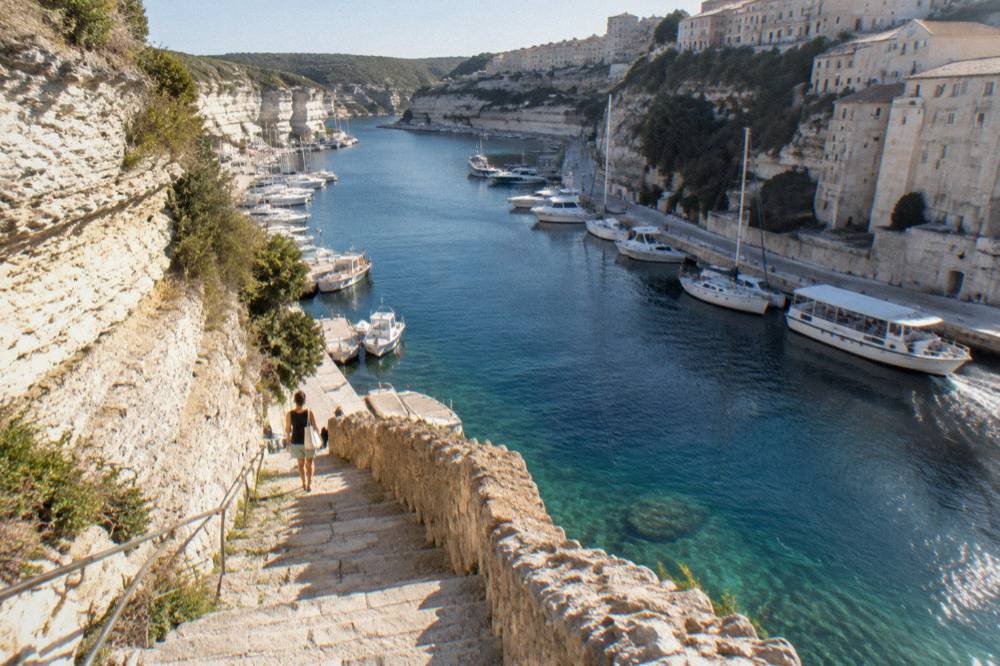
Bonifacio is built for a first visit on foot. The town sits above its harbour on cliffs, the old citadel crowns the top, and the Escalier du Roi d'Aragon descends 189 steps down the cliff face with a 180-degree view over the water toward Sardinia, and children receive a "diploma" at the top. The entry price of about EUR 5, the monthly opening hours and the closed-shoes rule are reported, so confirm them before you go. The citadel's own admission fees and hours are not stated here.
The strait itself is the other half of the day. The Îles Lavezzi sit inside the Bouches de Bonifacio nature reserve managed by the Office de l'Environnement de la Corse, reported in prefectural documents, and boat trips from Bonifacio harbour reach them regularly. A fuller plan for that idea sits on the Sardinia day trip page, which reverses the direction for readers based on the Corsican side, and the question of whether the islands pair well overall is weighed in Corsica versus Sardinia.
What Should You Do Around Bonifacio After The Ferry?
After the ferry docks in Bonifacio, the essentials are the clifftop citadel town, the 189-step Escalier du Roi d'Aragon cut into the cliff, and a boat trip from the harbour to the Îles Lavezzi in the Bouches de Bonifacio nature reserve, all reachable from the port area on foot or by a short walk uphill.
The Escalier du Roi d'Aragon is the headline sight for arriving ferry passengers, because it sits directly on the cliff below the town. The reservation site for the staircase lists 189 steps and the 180-degree view over the cliffs toward Sardinia, with the diploma for children at the top. The fee of about EUR 5, the monthly hours that shift with the seasons and the requirement for closed, flat shoes are reported figures, and they should be confirmed before a visit.
Boat trips from Bonifacio cover the strait from the water. A cruise of the cliffs and the Îles Lavezzi runs from the harbour, and catamaran trips with snorkelling in the Lavezzi islands are among the products on offer from the town. Snorkelling here is the draw: the islands sit inside the protected reserve, and trips from Bonifacio are the practical way to reach them.
The full-day escape from Ajaccio and Porticcio to Bonifacio by sea is another angle on the same coast: it runs from the Corsican capital along the west and south coasts, and its availability is live on the operator's listing, where Check availability shows current dates.
Bonifacio also works as a base rather than a stop. The question of how many days to give the town is answered on the site, and the ferry means a Sardinia-based traveller can sample it without moving hotels. For readers coming the other way, from inside Corsica, the town's harbour is the natural departure point for the reverse crossing to Sardinia.
| Bonifacio-area sight | Key verified detail | Detail to confirm |
|---|---|---|
| Escalier du Roi d'Aragon | 189 steps, 180-degree view toward Sardinia, diploma for children | About EUR 5 entry, monthly hours, closed shoes required |
| Îles Lavezzi | Inside the Bouches de Bonifacio reserve, managed by the OEC | Rules for landing and swimming |
| Bonifacio citadel | Sits on the cliffs above the harbour | Admission fees and hours |
| Bonifacio harbour | Ferry port for the Santa Teresa Gallura link | Sailing times by season |
Can You Visit Corsica And Sardinia In One Trip?
Yes, and the Santa Teresa Gallura to Bonifacio ferry of about 50 to 60 minutes is what makes it work: the two islands can be combined in a single trip with one short crossing, and readers can weigh the pairing in detail on the site's page on visiting Corsica and Sardinia together, while the direct comparison of the two islands has its own guide.
The practical shape of a combined trip is straightforward. Arrive in Sardinia or in Corsica, spend time on the first island, cross the strait by ferry, and fly out from the second. Corsica has four airports, Ajaccio Napoléon Bonaparte, Bastia Poretta, Figari Sud Corse and Calvi Sainte-Catherine, so an open-jaw routing through the island pair is not hard to build. The guide to Corsica's airports covers them all, with the Figari airport in the south, covered at Figari airport in the sibling list, being the one closest to Bonifacio for a southern exit.
On the Corsican side, a combined trip often splits the island into a southern segment around Bonifacio, Porto-Vecchio and the beaches of Palombaggia and Santa Giulia, and a northern or western segment around Ajaccio, Calvi and the Balagne. The strait crossing plugs into the southern segment most naturally, since Bonifacio is the port of arrival.
How Does The Weather Affect The Sardinia To Corsica Crossing?
The weather pattern on both sides of the strait is the standard Corsican one, hot dry summers and mild wet winters, with Météo-France station normals for Ajaccio showing July averaging 8.6 mm of rain and August an average daily high of 29.2 °C, while November carries 111.8 mm of rain, so summer crossings sit in the settled season and winter ones can meet rougher water in the strait.
The station normals give the numbers behind the general pattern. At Ajaccio, Météo-France 1991-2020 data show July at 8.6 mm of rain and 12 h 6 min of sunshine per day on average, and November at 111.8 mm. At Bastia, on the east side of the island, November averages 134.3 mm of rain and October 126.5 mm, with July at 13.8 mm and August showing an average daily high of 29.8 C.
| Month | Ajaccio rain mm | Ajaccio high °C | Bastia rain mm | Bastia high °C |
|---|---|---|---|---|
| Jan | 54.1 | 14.0 | 67.3 | 13.8 |
| Feb | 48.1 | 14.2 | 63.5 | 13.9 |
| Mar | 50.4 | 16.0 | 63.7 | 15.8 |
| Apr | 53.1 | 18.5 | 71.6 | 18.3 |
| May | 49.8 | 22.1 | 53.7 | 22.4 |
| Jun | 25.9 | 25.9 | 38.8 | 26.4 |
| Jul | 8.6 | 28.6 | 13.8 | 29.4 |
| Aug | 15.8 | 29.2 | 21.1 | 29.8 |
| Sep | 57.8 | 26.1 | 74.5 | 26.0 |
| Oct | 85.7 | 22.8 | 126.5 | 22.0 |
| Nov | 111.8 | 18.3 | 134.3 | 17.7 |
| Dec | 73.9 | 15.1 | 88.1 | 14.8 |
A strait crossing in a small vessel is weather-sensitive in a way the big overnight ferries from Marseille are not, and sailings can be affected when the wind is up. The month-by-month picture for the island is laid out on the Corsica weather by month page, and the broader timing question is handled on when to visit Corsica.
One rule applies ashore in summer regardless of the crossing: from 15 June to 30 September it is forbidden to light a fire or smoke in forests, maquis and massifs, a rule that covers the whole island. The UK FCDO also notes a high wildfire risk in France from April to October. Neither rule touches the ferry itself, but both matter for anyone who crosses and then heads inland to hike.
What Comes After Bonifacio: Travelling North In Corsica?
After Bonifacio, the natural route runs north along the east coast to Porto-Vecchio and its beaches, or west across the island's mountainous interior toward Ajaccio, with road times putting Corte at 2 hours 45 from Bonifacio, 2 hours from Porto-Vecchio, 1 hour 30 from Ajaccio and 1 hour from Bastia, so a same-day onward move to any of the main bases is possible.
Porto-Vecchio is the nearest big base east of Bonifacio, with an old town above its marina and the beaches of Palombaggia and Santa Giulia on its outskirts. West of there, the interior rises fast: Corsica is a mountainous island of 8,722 km2 with its highest summit, Monte Cinto, at 2,706 m, and the roads reflect it. Inforoutes Corse publishes live road conditions and accessibility levels for the main mountain passes, reported on the territorial authority's site, and checking it before any mountain drive is the standing advice.
The island's long-distance footpaths are another draw once the ferry traveller is ashore. The GR20 runs 180 km north to south in about 15 stages of 4 to 8.5 hours each, per the Corsican Assembly's own text, with PNRC refuges guarded in the 2026 season from 16 May to 4 October and every refuge or bivouac night booked online in advance. Shorter options include the Mare a Mare Sud at 73 km over 5 days ending in Propriano and the Mare e Monti Sud at 66 km, both from the PNRC's own brochure. The full picture is on the GR20 guide and the wider hiking in Corsica page.
| Corsica long trail | Length | Days | Total climb |
|---|---|---|---|
| GR20 | 180 km | About 15 stages of 4 to 8.5 h | Not stated |
| Mare e Monti Nord | 121 km | 10 | 6,100 m |
| Mare a Mare Nord | 139 km (161 km with variant) | 8 to 12 | 5,900 m |
| Mare a Mare Centre | 84 km | 7 Ghisonaccia to Porticcio | 3,900 m |
| Mare a Mare Sud | 73 km | 5 | 3,200 m |
| Mare e Monti Sud | 66 km | 5 | 2,700 m |
For readers who arrive by ferry and want the sea to stay central, the island obliges. Corsica has more than 1,000 km of coastline, and the beach guide covers the span from Palombaggia to the Désert des Agriates, where the beaches of Saleccia and Lotu are reached by boat shuttle from Saint-Florent, by 4x4 track from Casta or on foot, per the island's tourism site. Choosing where to sleep is its own question, answered on the where to stay in Corsica page.
Do You Need A Car After The Sardinia To Corsica Ferry?
A car is not needed for Bonifacio itself, where the town, the Escalier du Roi d'Aragon and the harbour boat trips are all reachable on foot from the port, but a car opens the rest of an island whose mountainous interior and scattered beaches make driving the standard way around, and the site's pages on renting a car in Corsica and on driving here cover the practicalities.
Bonifacio on foot works because everything a first-day visitor wants sits between the harbour and the clifftop town. Beyond that first day, distances stretch. Road times to Corte, the old capital in the interior, run from 1 hour out of Bastia, 1 hour 30 from Ajaccio or Calvi, 2 hours from Porto-Vecchio and 2 hours 45 from Bonifacio or Propriano, and those figures come from the Corte museum's own practical page. The island's railway, the Chemins de fer de la Corse, runs Ajaccio to Bastia via Corte, Ponte-Leccia to Calvi, and the Balagne coastal line from Calvi to L'Île-Rousse, reported on the operator's timetable pages, but the rails serve corridors, not the beaches and villages between them.
The car question, weighed both ways, has a full treatment on do you need a car in Corsica in the answers section, with the rental practicalities on the Corsica car rental page and the mountain-road realities on driving in Corsica. For a strait crossing specifically, note that taking a vehicle on the ferry is a matter for the operator's own booking process, and no fare or vehicle rule is stated here.
Common Questions About The Sardinia To Corsica Ferry
How Long Is The Ferry From Sardinia To Corsica?
About 50 to 60 minutes between Santa Teresa Gallura and Bonifacio, a crossing time reported for the route operated by Moby and Ichnusa Lines.
Which Companies Run The Sardinia To Corsica Ferry?
Moby and Ichnusa Lines. A report of 9 October 2026 confirmed both operators kept the route after Sardinia found no rival bidder, under a public service arrangement.
Can You Do A Day Trip From Sardinia To Bonifacio?
Yes. With a crossing of about 50 to 60 minutes each way, several hours on the Corsican side are enough for the citadel town, the 189-step Escalier du Roi d'Aragon and a boat trip toward the Îles Lavezzi.
Where Does The Ferry Arrive In Corsica?
At Bonifacio, the town on limestone cliffs at the southern tip of Corsica. The harbour sits below the old town, with the citadel above.
Can You Visit Corsica And Sardinia In One Trip?
Yes, and the short strait crossing is what makes it practical. Corsica's four airports, Ajaccio, Bastia, Figari Sud Corse and Calvi Sainte-Catherine, allow an open-jaw routing across the two islands.
Is The Sardinia To Corsica Ferry The Fastest Way Into Corsica?
By sea, yes. The strait crossing takes about an hour, while the reported mainland crossings run from about 4 to 5 hours from Livorno to roughly 12 to 13 hours, mostly overnight, from Marseille.
The strait between Santa Teresa Gallura and Bonifacio is the narrow seam that joins two of the Mediterranean's large islands, and the ferry that stitches it runs on a schedule worth confirming with Moby or Ichnusa Lines before any day trip is fixed.